
 English
 For Schools
 For Homeschool

Ankylosaurus: The Armored Fortress
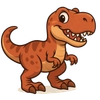
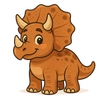
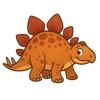
Hello from a time long past. My name is Ankylosaurus magniventris, a name that tells you a lot about me. 'Ankylosaurus' means 'fused lizard,' and 'magniventris' means 'great belly.' I was one of the last and largest of the armored dinosaurs. My world, about 68 million years ago during the Late Cretaceous Period, was a warm, lush landscape in what you now call western North America. The air was thick with the scent of ferns and flowering plants, and the ground often shook with the footsteps of my neighbors. I shared my home with other plant-eaters like the three-horned Triceratops, but we all had to be wary of the most intimidating predator of our time: the mighty Tyrannosaurus rex. Life was a constant balance of finding food and avoiding becoming it, and I was built for both.
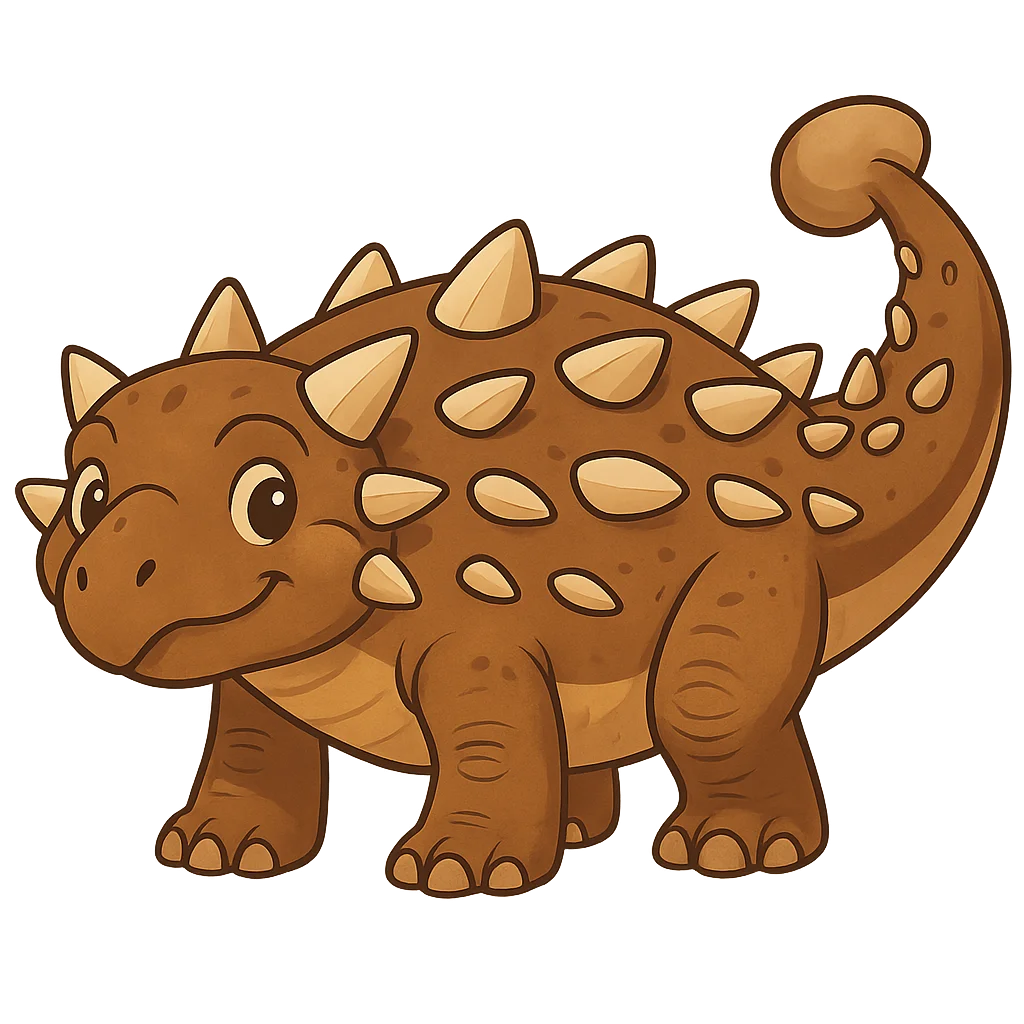
My body was my fortress. I was a massive creature, low to the ground and incredibly wide. My back and head were covered in an impressive shield of bony plates, called osteoderms, which were fused together to create a nearly impenetrable armor. This natural defense made me one of the most well-protected animals of my era. Despite my formidable appearance, I was a peaceful herbivore. My teeth were small, leaf-shaped teeth adapted for processing plant material, not designed for heavy chewing. Instead, I would snip off mouthfuls of low-growing plants and swallow them. The real work happened inside my enormous gut. My 'great belly' housed a complex digestive system that slowly fermented and broke down the tough plant fibers, giving me the energy I needed to carry my heavy armor day after day. I was a walking, eating, armored tank.
While my body armor was my primary defense, my most famous feature was at the other end: my mighty tail club. This wasn't just a heavy lump; it was a sophisticated weapon. The last few bones of my tail were fused together to form a massive, solid club of bone. The rest of my tail was supported by stiff, interlocking tendons, which turned the entire back half of my body into a rigid handle for this incredible sledgehammer. I couldn't lift my tail very high, but I could swing it from side to side with devastating force. If a Tyrannosaurus rex dared to attack, I wouldn't try to outrun it. I would stand my ground, anchor my feet, and swing my tail. A well-aimed blow from my club could shatter the leg bones of even the largest predator, ensuring that I was not an easy meal.
My days were quiet and likely spent alone. I was a solitary animal, preferring to move through the dense undergrowth on my own schedule. Most of my waking hours were dedicated to foraging for food. I moved slowly, using my enlarged olfactory regions suggesting a well-developed sense of smell to guide me toward patches of ferns and other low-lying vegetation. My skull contained complex, looping nasal passages that were primarily for thermoregulation and vocalization, which was crucial for survival. It not only helped me find the best plants to eat but also warned me of approaching danger long before I could see it. This ability to detect predators from a distance gave me precious time to find a defensive position and prepare to use my tail club if necessary.
My time on Earth, along with all my dinosaur neighbors, came to an end with a great change that swept the planet about 66 million years ago. I lived during the Late Cretaceous Period. For millions of years, my kind roamed the land, but eventually, we disappeared, leaving only our fossilized bones behind. It wasn't until much later that your kind discovered my story. In 1906, a team led by the famous paleontologist Barnum Brown found the first fossils of my species. Two years later, in 1908, he officially gave me my name, Ankylosaurus magniventris. Today, I am remembered as the 'armored tank' of the dinosaurs, a powerful and inspiring example of natural defense in a dangerous world.
Activities
Take a Quiz
Test what you learned with a fun quiz!
Get creative with colors!
Print a coloring book page of this topic.