English
 For Schools
 For Homeschool

A Snowy Owl's Story
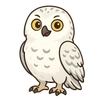
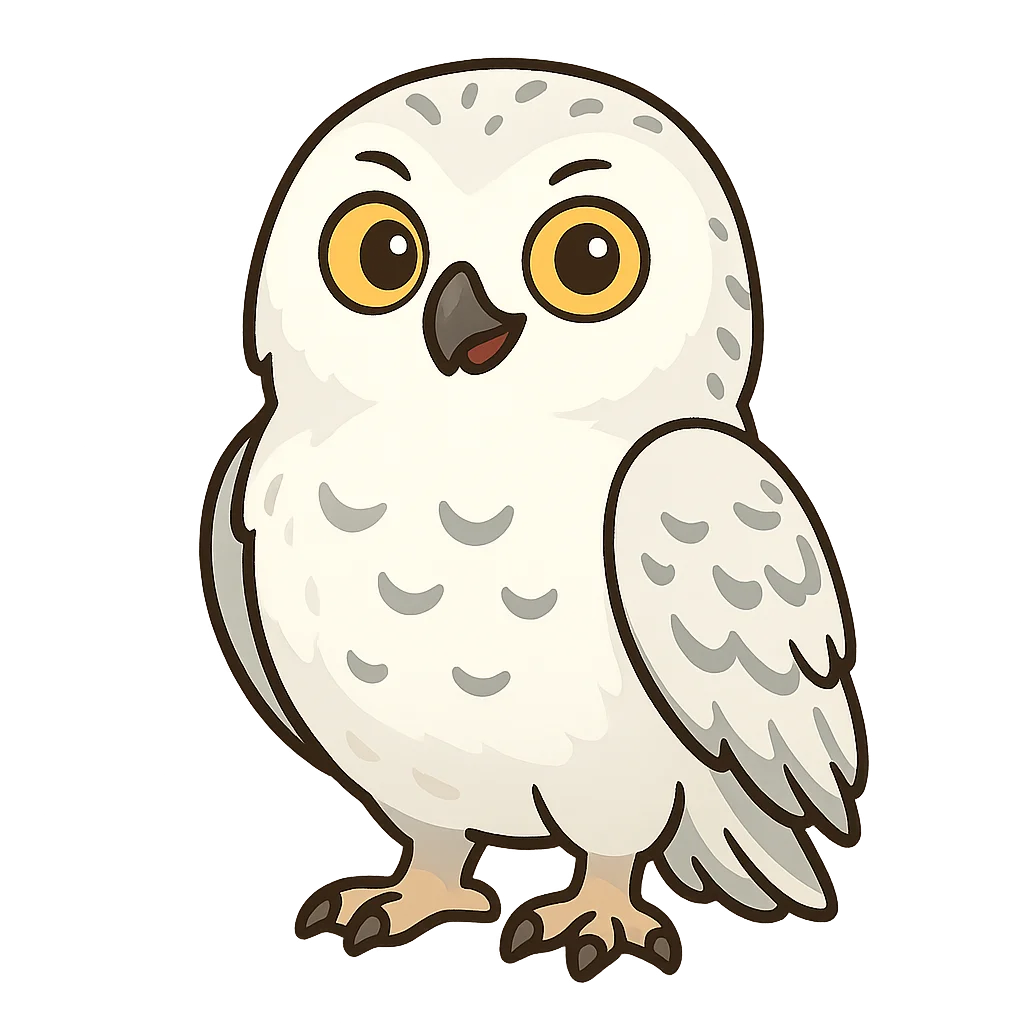
Hello from the top of the world. My name is Hedwig, and I am a Snowy Owl. My home is the vast, cold Arctic tundra, a place of wide-open spaces and chilly winds. I was born in the summer of 2012, during a magical time when the sun never went down. My nest wasn't in a tree, but a simple scrape on the ground, cushioned with moss and my mother’s soft feathers. When I hatched, I was covered in fluffy gray down, not the bright white feathers I have now. I remember opening my big, yellow eyes for the very first time and seeing a world without trees, stretching out under a sun that circled the sky day and night. It was a breathtaking sight for a young owlet, and it was the beginning of my great adventure in the Arctic.
I was perfectly made for my chilly home. My body is covered in a thick layer of soft, downy feathers that act like my own personal parka, keeping me warm even when the wind howls. These feathers are so thick that they even cover my feet, like a pair of cozy slippers, protecting them from the freezing ground. My feathers are mostly a brilliant white, which is the perfect camouflage. When I sit still in the snow, I blend in so well that it's hard for other animals to spot me. As a female, I have dark spots and bars on my feathers. These markings helped my mother hide on our ground nest while she was keeping my siblings and me safe. Unlike many of my owl cousins who are nocturnal, I hunt during the day. This is a very useful skill in the Arctic, especially during the summer of my birth in 2012 when the sun shone for 24 hours a day, giving me plenty of time to learn how to find my own food.
My favorite food in the entire world is a small, furry rodent called a lemming. They are so important to us that the number of lemmings in a given year decides how many eggs my parents will lay. In a good lemming year, my nest might be full of brothers and sisters. In a lean year, I might have only one or two siblings. Hunting them is my greatest skill. I find a high perch, like a small rock or a mound of earth, and I sit perfectly still. My hearing is so sharp that I can detect a tiny lemming scurrying in its tunnel deep beneath the snow. Once I pinpoint the sound, I launch into the air. My wings are designed for silent flight, so the lemming never hears me coming. With a swift, graceful dive, I plunge my talons through the snow and catch my meal. It is how I survive in the harsh, beautiful Arctic.
We snowy owls are nomadic, which is a fancy way of saying we are travelers. We don't stay in one place but journey to wherever we can find food. When the lemming population in the Arctic drops, we must fly south to find other things to eat. One of the most amazing journeys I ever took was during the winter of 2013-2014. That year was what scientists call a major irruption. The lemming numbers were very low, so thousands of my fellow snowy owls and I flew much farther south than usual. We surprised a lot of people who had never seen an owl like me before. We appeared in places we had never been, from coastal beaches to wide-open farm fields all across the United States. It was a great adventure, showing the world how far we will travel to survive.
My journey is an important part of the story of the Arctic. As a top predator, I play a crucial role in my ecosystem by helping to keep the lemming population in balance. This ensures that the tundra's delicate plant life isn't overeaten. But my home is changing. Around 2017, scientists began to understand that my species is vulnerable. The climate is warming, and this affects the snow, the lemmings, and my entire world. My story is a reminder of the beautiful, interconnected life at the top of the world. By learning about me and my travels, you can help people understand why it is so important to protect the snowy home I depend on.
Activities
Take a Quiz
Test what you learned with a fun quiz!
Get creative with colors!
Print a coloring book page of this topic.