

 English

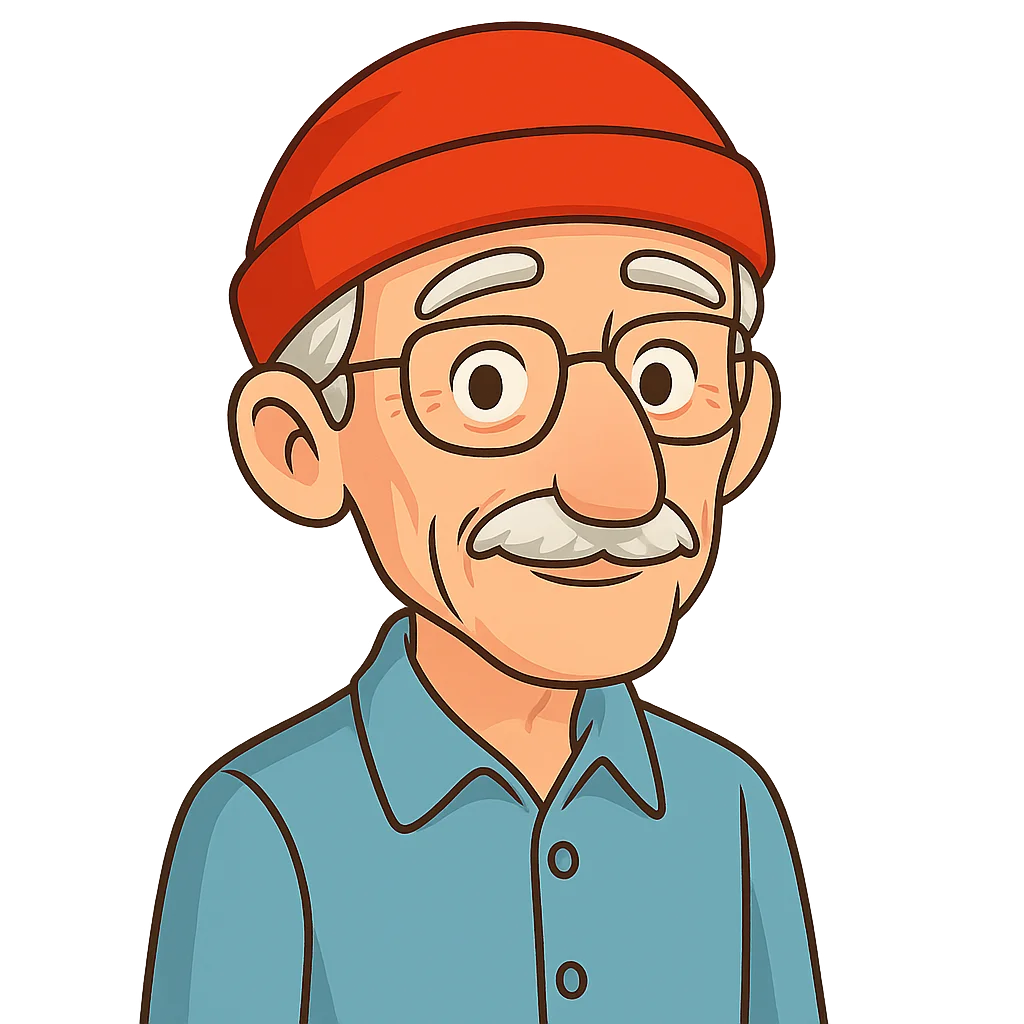
Jacques Cousteau: My Life in the Sea
Bonjour! I am Jacques Cousteau, and I want to tell you my story. It all begins with water. As a boy in France, I was fascinated by two things: machines and the sea. I loved taking things apart to see how they worked, and I built my own movie camera when I was just a teenager! But my greatest love was swimming. The moment I put my face in the water and opened my eyes, a new world appeared. It felt like I was flying! A bad car accident in 1936 badly hurt my arms, and doctors told me I might never use them properly again. But I refused to believe them. I went swimming in the warm Mediterranean Sea every single day, and the water helped my arms heal and grow strong again. It was then I knew my life belonged to the ocean.
As a young man in the French Navy, I used swimming goggles to peek beneath the waves. The world I saw was magical, filled with colorful fish and waving sea plants. But I had a problem: I could only stay for as long as I could hold my breath! I dreamed of a way to breathe underwater, to swim freely like a fish for hours. I wanted to be a 'man-fish.' In 1943, during a difficult time in the world called World War II, I met a brilliant engineer named Émile Gagnan. He had designed a special valve for cars, and I had an idea. What if we could adapt it to deliver air to a diver? Together, we tinkered and tested until we created the very first Aqua-Lung! I will never forget the first time I strapped on the tanks and jumped into the water. I took a breath. And another! I could breathe! I was free! I swam through silent forests of seaweed and played tag with fish. The ocean's door had swung wide open.
To explore this new world, I needed a ship. In 1950, I found an old, forgotten ship that used to look for underwater mines. I named her Calypso. We fixed her up and turned her into a floating science lab and movie studio. The Calypso became my home and the home of my family and my crew of adventurers. We sailed all over the world, from the warm Red Sea to the icy waters of Antarctica. We discovered ancient shipwrecks filled with treasure and swam with giant whales. We used our cameras to film everything we saw, creating movies and a television show called 'The Undersea World of Jacques Cousteau' so that we could share the ocean's secrets with everyone, even people who lived far from any coast.
During my travels, I saw the incredible beauty of the ocean, but I also saw something sad. I saw that our oceans were getting sick. Pollution was hurting the coral reefs and the amazing animals that lived there. I knew I couldn't just stand by and watch. I had to become the ocean's voice. In 1973, I started The Cousteau Society to teach people about the sea and fight to protect it. I learned that when people understand something, they begin to love it. And as I always said, 'People protect what they love.' My greatest adventure was not just exploring the sea, but helping the world fall in love with it, so we could all work together to keep it safe for generations to come.
Activities
Take a Quiz
Test what you learned with a fun quiz!
Get creative with colors!
Print a coloring book page of this topic.














 Free for Educators