
 English
 For Schools
 For Homeschool

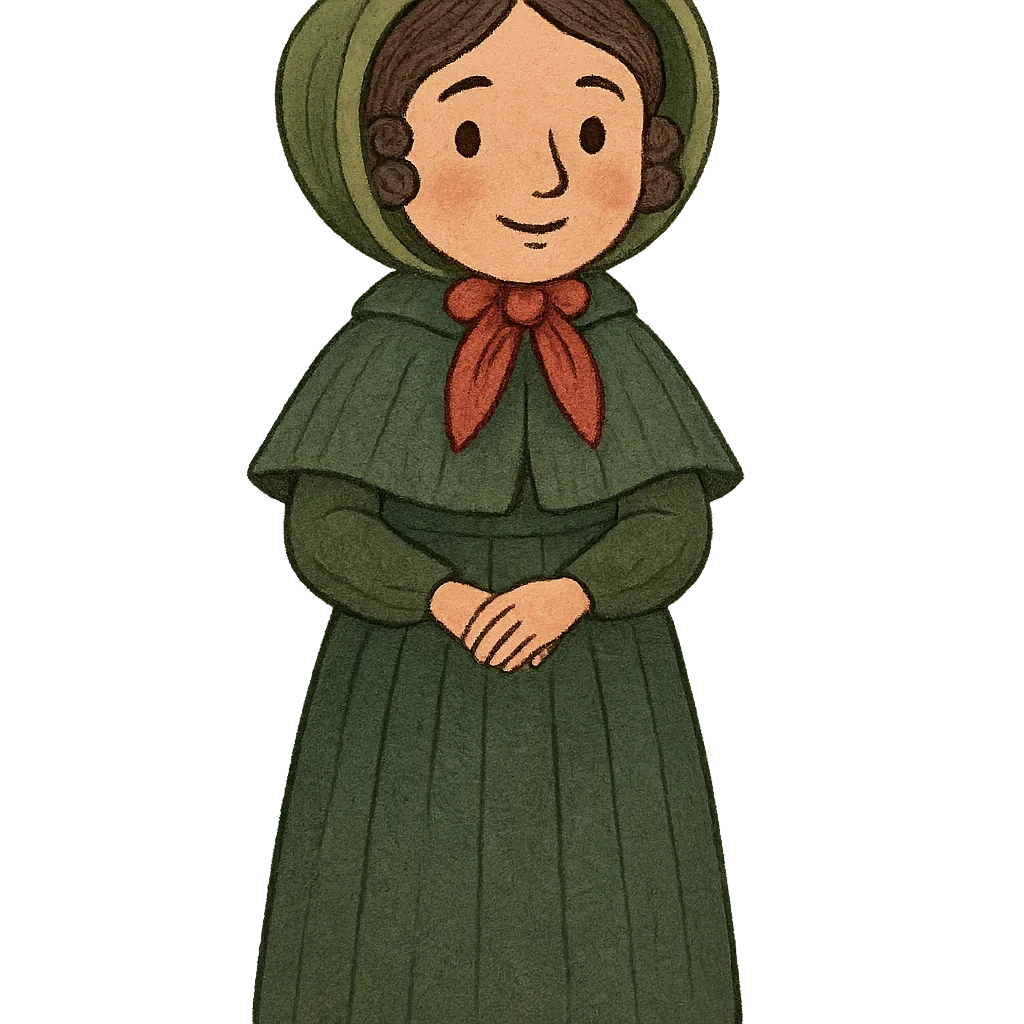
Mary Anning: The Girl Who Found Sea Dragons
Hello there. My name is Mary Anning, and I want to tell you my story. I was born a long, long time ago, on May 21st, 1799, in a little seaside town in England called Lyme Regis. The cliffs near my home were not just ordinary cliffs; they were full of secrets from a world millions of years old. My father, Richard, taught me and my brother Joseph how to look for 'curiosities'—what we now call fossils. We would take our little dog, Tray, and our hammers and search for strange, swirly shells and ancient bones that the sea washed out of the cliffs. It was our family's treasure hunt. Sometimes storms would come, and while others hid inside, we knew that was the best time to go looking. My father would say, 'The storms wash the old world clean for us to see.'. The rain and waves would reveal new treasures just waiting to be found, and I was never afraid of a little mud or wind when there were discoveries to be made. It was the most exciting game in the world.
When I was only twelve years old, my brother Joseph found a huge, scary-looking skull. It was bigger than me. A year later, in 1811, I went searching and I found the rest of its body. We had to hire men to help us dig it out of the cliff because it was so big and heavy. It was a giant sea creature with big eyes and a long snout full of sharp teeth. We had never seen anything like it. Scientists called it an Ichthyosaur, which means 'fish-lizard'. It was the first one ever seen in the whole world. A few years later, in the winter of 1823, I found something even stranger. It had a body like a turtle but the neck of a super-long snake. People thought it was a fake at first, but I knew it was real. They named it a Plesiosaur. Then, in 1828, I found a creature with wings like a bat and a long tail. It was a Pterosaur, a flying reptile. I felt like I was putting together the pieces of a puzzle from a whole lost world of magnificent monsters.
In my time, girls and women weren't usually scientists. I never went to a big university, but I taught myself to read and draw. I loved learning. I would stay up late drawing pictures of the bones I found and reading every science book I could get. I studied the creatures I found and understood them better than many learned men. I sold my fossils to collectors and museums so that everyone could see them and learn from them. My discoveries helped people understand that the Earth was much, much older than they thought and that amazing creatures lived here long before us. Even though I passed away in 1847, you can still see my fantastic 'sea-dragons' in museums today. So, the next time you're on a beach, keep your eyes open. You never know what secrets from the past you might find waiting just for you.
Activities
Take a Quiz
Test what you learned with a fun quiz!
Get creative with colors!
Print a coloring book page of this topic.