
 English
 For Schools
 For Homeschool

I Am the Weather
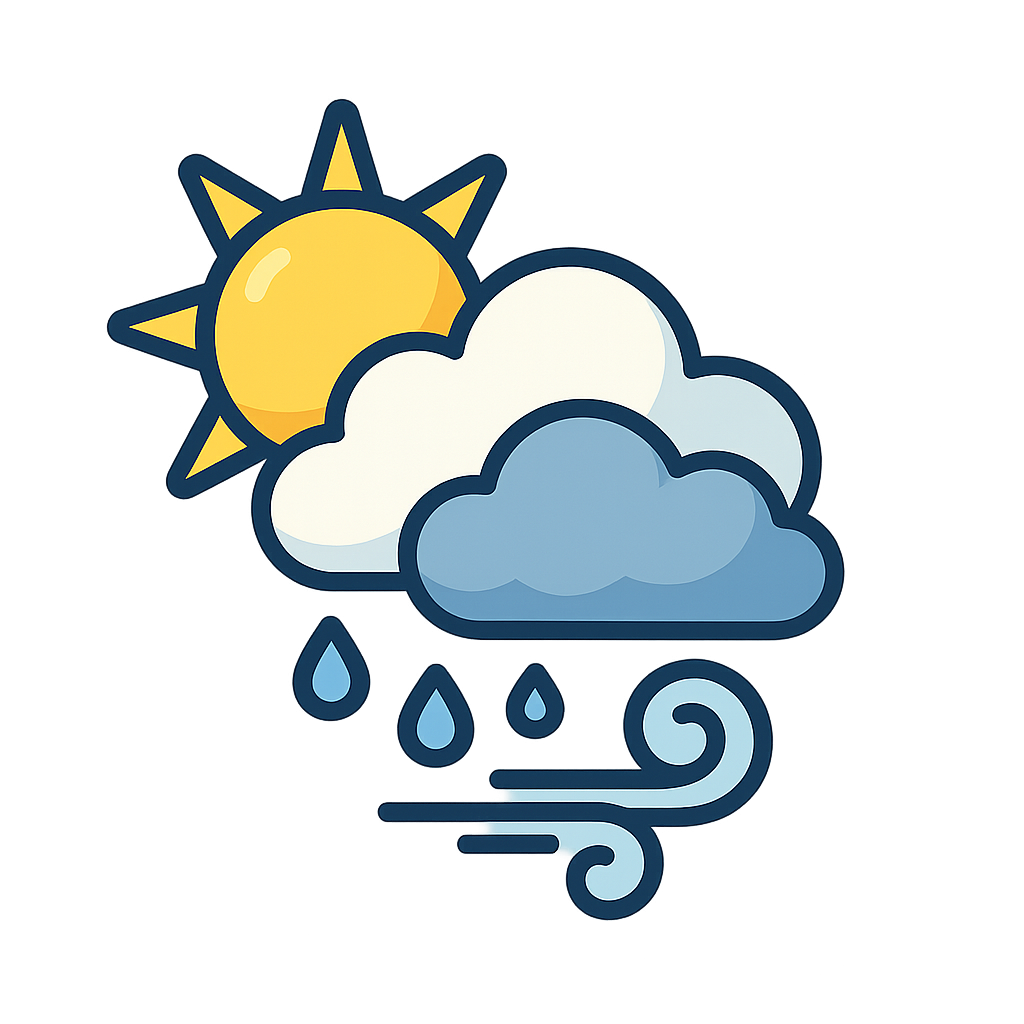
Sometimes I am a gentle whisper, tickling the leaves on the trees until they dance. Other times, my voice is a loud, booming rumble that rattles your windows during a stormy nap. I love to paint the sky, using fluffy white shapes to draw castles and dragons for you to find. When I’m feeling playful, I splash the world with giant puddles just for jumping in. I can be a chilly friend, covering everything in a soft, quiet blanket of snow, or I can give you a warm, sunny hug that makes you want to run outside and play. I can be grumpy and gray for days, or I can surprise you with a dazzling show of colors after a good cry. Can you imagine a world without me?. It would be the same every single day. You might have guessed by now. I am the Weather!.
For as long as humans have been around, they have been watching me. They knew I held important secrets. Ancient farmers would look at my clouds and feel my breeze to know the perfect day to plant their precious seeds. Sailors would study my moods to see if it was safe to travel across the vast, open ocean. A very curious man who lived in Greece a long, long time ago, named Aristotle, was one of the first to write everything down. Around 340 BCE, he wrote a whole book about me called Meteorologica. He tried to explain why I rain, why my winds blow, and how I make rainbows. For centuries, people just used their eyes and their instincts to understand me. But then, they started getting clever and building special tools. In 1643, a brilliant man in Italy named Evangelista Torricelli invented something called a barometer. It was a special tube that could feel my invisible push on the world—what you call air pressure. For the first time, people could measure a part of me they couldn't even see. Later, in 1803, an Englishman named Luke Howard decided my clouds needed proper names, just like a family. He gave them beautiful Latin names—cumulus for the puffy, cotton-like clouds, stratus for the flat, gray sheets, and cirrus for the thin, wispy streaks high in the sky. Thanks to him, anyone in the world could look up and know exactly which cloud family they were seeing.
Things got really exciting for my human detectives with the invention of the telegraph in the 1800s. Suddenly, a message could zip across a wire faster than my fastest storm cloud could travel. If a big thunderstorm was rumbling in one town, they could send a warning to the next town before I even got there. This was a game changer. People started to believe they could actually predict what I was going to do next. A captain named Robert FitzRoy was one of the first to try this publicly. On August 1st, 1861, he began printing my daily plans, which you call forecasts, in a London newspaper for everyone to read. Today, you have meteorologists who use giant supercomputers to understand my complicated patterns. And the most amazing tool of all came much later. On April 1st, 1960, the very first weather satellite, TIROS-1, was launched into space. For the first time, humans could see me from above the clouds. They saw my giant, swirling hurricanes and my massive blankets of clouds covering entire countries. It was like they finally got to see a full picture of me.
I am more than just rain to cancel your picnic or sun for your day at the beach. I am the heartbeat of the planet, a part of what makes our world so alive and beautiful. I connect everyone, because the air I move in China today might be the breeze you feel next week. Understanding me helps you know when to plant gardens, when to fly kites, and when to stay safe and cozy inside. So next time you see a brilliant rainbow stretching across the sky after a storm, or feel a cool, gentle breeze on a hot summer day, give me a little wave. I'm always here, painting your sky and reminding you of the wonderful, wild, and surprising world we all share.
Activities
Take a Quiz
Test what you learned with a fun quiz!
Get creative with colors!
Print a coloring book page of this topic.