

 English

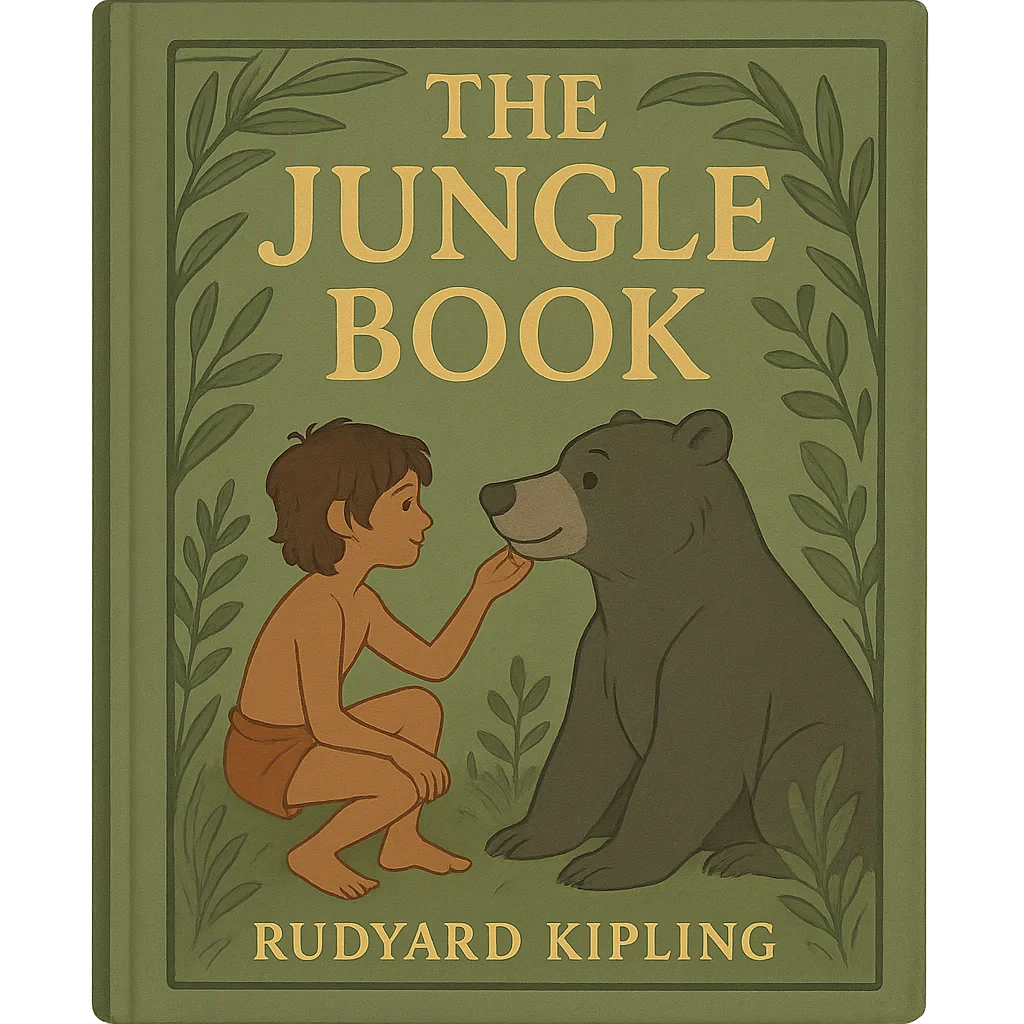
I Am The Jungle Book
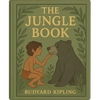
Before you know my name, you must feel my world. Imagine the humid air of a jungle in India, thick with the scent of rain-soaked earth and sweet flowers. Hear the low rumble of a tiger in the distance, the chatter of monkeys in the high canopy, and the wise hoot of an owl. I am not a place, but I hold that place within me. I am a collection of whispers, roars, and laws written not in stone, but on paper. My pages rustle like leaves, and within them, a boy who speaks the language of wolves runs free. He learns the difficult but fair Law of the Jungle from a sleepy brown bear and is protected by a panther as black as night. I am a world of adventure, danger, and friendship, bound between two covers. I am a world where animals think, speak, and live in complex societies. I am The Jungle Book.
The man who gave me my voice was named Rudyard Kipling. He was born in Bombay, India, on December 30th, 1865, a land teeming with the very life I describe. As a boy, he absorbed its stories, languages, and the intricate relationship between the colonial English world and the ancient Indian one. But he didn't write me in the warmth of India. Years later, between 1892 and 1894, he was living in a small, isolated cottage in a cold, snowy place called Vermont in the United States. To escape the quiet chill of the New England winter, he reached back into his vibrant memories of India. He dipped his pen in ink and let the jungle pour out onto the page, creating stories for his young daughter Josephine. He crafted the tale of Mowgli, a human child, a 'man-cub,' who is lost in the jungle and adopted by a pack of wolves. He imagined the wise, sleepy bear Baloo, who taught the Law of the Jungle, and the sleek, clever black panther Bagheera, who bought Mowgli's life with a freshly killed bull, so he could be accepted by the wolf pack. And of course, he created my famous villain, the terrifying tiger, Shere Khan, who hated the man-cub and was his sworn enemy. But I am more than just Mowgli's story. Kipling also gave me other tales, like that of a brave mongoose named Rikki-Tikki-Tavi who defends a human family, and a curious white seal named Kotick who searches for a safe home for his people. When I was first published in London in 1894, I was a collection of these wonders, a passport to a wild and unforgettable world.
From the moment my pages were first opened, I transported readers far from their homes. People in bustling, gray cities in England and America could suddenly feel the Indian sun on their skin and hear the call of the Seeonee wolf pack. I showed them a world where animals had their own societies, laws, and languages, which was a fascinating idea. My stories were not just simple adventures; they asked big questions that people still think about today. What does it mean to belong? Where is the line between the world of humans and the world of nature? What truly makes a family? Over the decades, my stories have been retold in many forms, reaching new generations. You have likely seen me as a cheerful Walt Disney cartoon movie, first made in 1967, with singing bears and dancing monkeys. You may have seen me as a thrilling live-action film in recent years, with stunning computer-generated animals that look completely real. Each new version finds a different part of my spirit to share with the world. I continue to live because the jungle I hold is not just in India; it's a symbol for the wildness, courage, and curiosity that lives in every human heart. I am a reminder that we are all connected—human and animal—and that listening to the world around us is the greatest adventure of all.
Activities
Take a Quiz
Test what you learned with a fun quiz!
Get creative with colors!
Print a coloring book page of this topic.









 Free for Educators