

 English

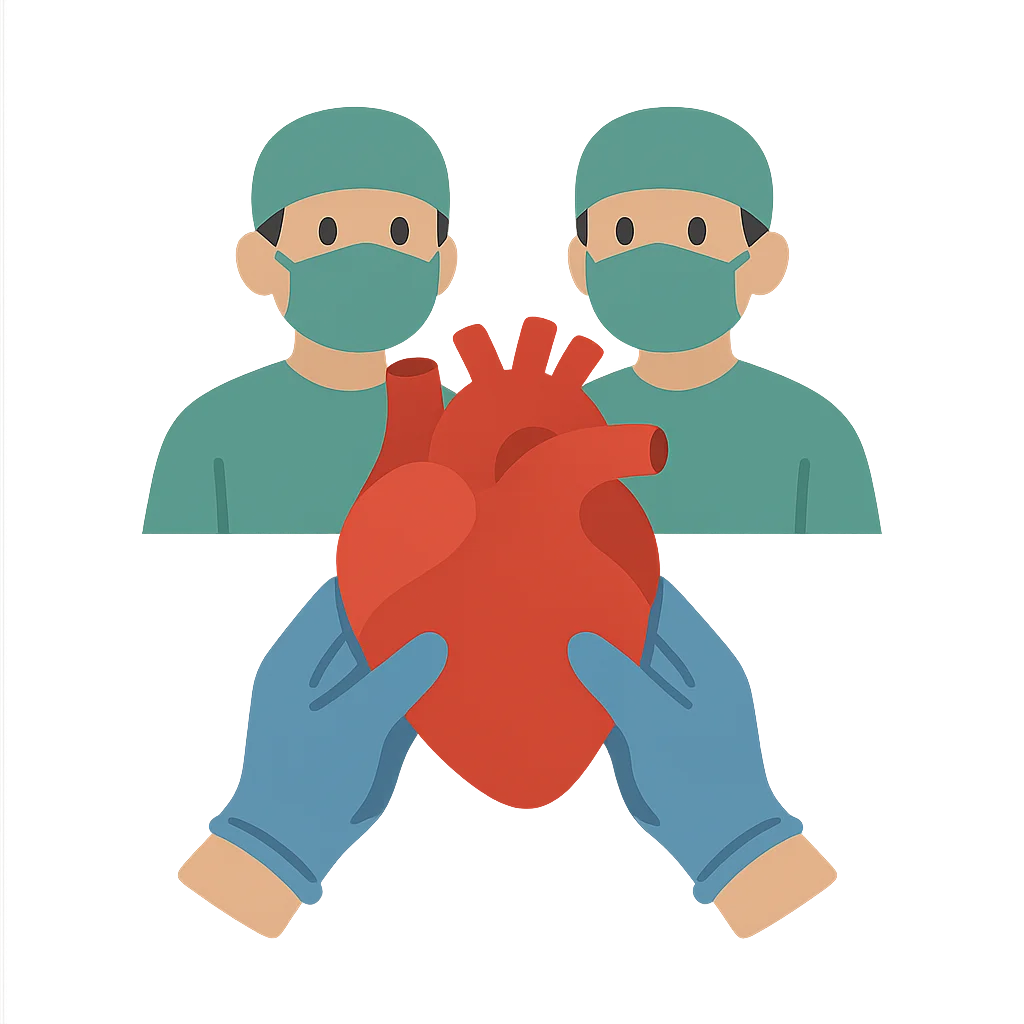
My Audacious Dream: The World's First Heart Transplant
Hello there. My name is Dr. Christiaan Barnard. Long before I ever wore a surgeon’s mask, I was just a boy in South Africa with a big dream. I wanted to be a doctor more than anything. I saw how sickness could bring sadness to families, and I felt a powerful urge to help. As I studied medicine, one part of the human body amazed me more than any other: the heart. It’s the most incredible engine you can imagine. Thump-thump, thump-thump, it works every second of every day, pumping life-giving blood to every tiny part of you. But just like an engine in a car, a heart can wear out or become damaged by illness. As a heart surgeon, I tried my best to patch them up, but sometimes, the damage was too great. Seeing a person with a failing heart was like watching a light slowly dim, and it filled me with a deep sadness and a feeling of helplessness. It was during those quiet, difficult moments that a truly audacious idea began to form in my mind. What if we didn't have to just watch the engine fail? What if we could take out the broken one and put in a healthy one from someone who no longer needed it? What if we could perform a human heart transplant?
The day my audacious dream would be put to the test was December 3rd, 1967. The air in Cape Town felt heavy with anticipation. Our patient was a grocer named Louis Washkansky. He was a cheerful man with a great spirit, but his heart was failing him completely. It was so weak that he had only weeks left to live. He knew the risks, but he was courageous and told me, 'If there's a chance, I'll take it.' Our opportunity came from a moment of profound sadness. A young woman, Denise Darvall, had been in a terrible car accident. Despite the doctors' best efforts, they could not save her. In the midst of his grief, her father made a decision that was unbelievably kind and brave. He agreed to let us transplant his daughter's heart into Mr. Washkansky. In that single act of generosity, Denise became a hero whose gift would echo through history. The operating room at Groote Schuur Hospital was my whole world for the next five hours. It was the quietest, yet loudest, room I had ever experienced. The only sounds were the soft beeps of monitors, the clink of instruments, and the calm instructions I gave to my team of thirty brilliant doctors and nurses. We were all so focused, moving like a single organism with one purpose. The most unforgettable moment of my life came when I gently lifted Denise's heart. It was still warm, a perfect, powerful muscle. I carefully placed it inside Mr. Washkansky’s chest, a space where his own tired heart had been just moments before. The tension was immense as we meticulously stitched the tiny blood vessels together. When the last stitch was in place, a deep silence fell over the room. We all held our breath, staring at the still, silent heart. We used a machine to give it a small electric shock. And then... it happened. A single, powerful beat. Thump. Then another. Thump-thump. The heart began to beat on its own, a strong, steady rhythm filling the room and our spirits. We hadn't just fixed an engine; we had restarted a life.
When Mr. Washkansky woke up, the first thing he did was smile. He could breathe easily for the first time in years. The news of our surgery spread like wildfire. Newspapers and radio stations all over the globe announced what had happened in our small hospital in South Africa. It felt like the whole world was celebrating with us. People called it a medical miracle. Sadly, Mr. Washkansky’s body was very weak, and the powerful medicines we gave him to stop his body from rejecting the new heart also weakened his ability to fight off sickness. He lived for eighteen more days before he got a bad case of pneumonia. Some people might have called this a failure, but we knew it was a victory. Those eighteen days were a monumental success. They proved, without a doubt, that a human heart transplant could work. Louis Washkansky’s incredible courage showed everyone that it was possible. Because of him and the gift from Denise Darvall’s family, the door was thrown wide open. That single operation was the first step on a long journey. Looking back, I see that our success wasn't just mine; it belonged to the entire team, to Mr. Washkansky’s bravery, and to the generosity of a grieving family. It taught the world a lesson in hope and showed that even the most audacious dreams can come true when people work together.
Activities
Take a Quiz
Test what you learned with a fun quiz!
Get creative with colors!
Print a coloring book page of this topic.







 Free for Educators