

 English

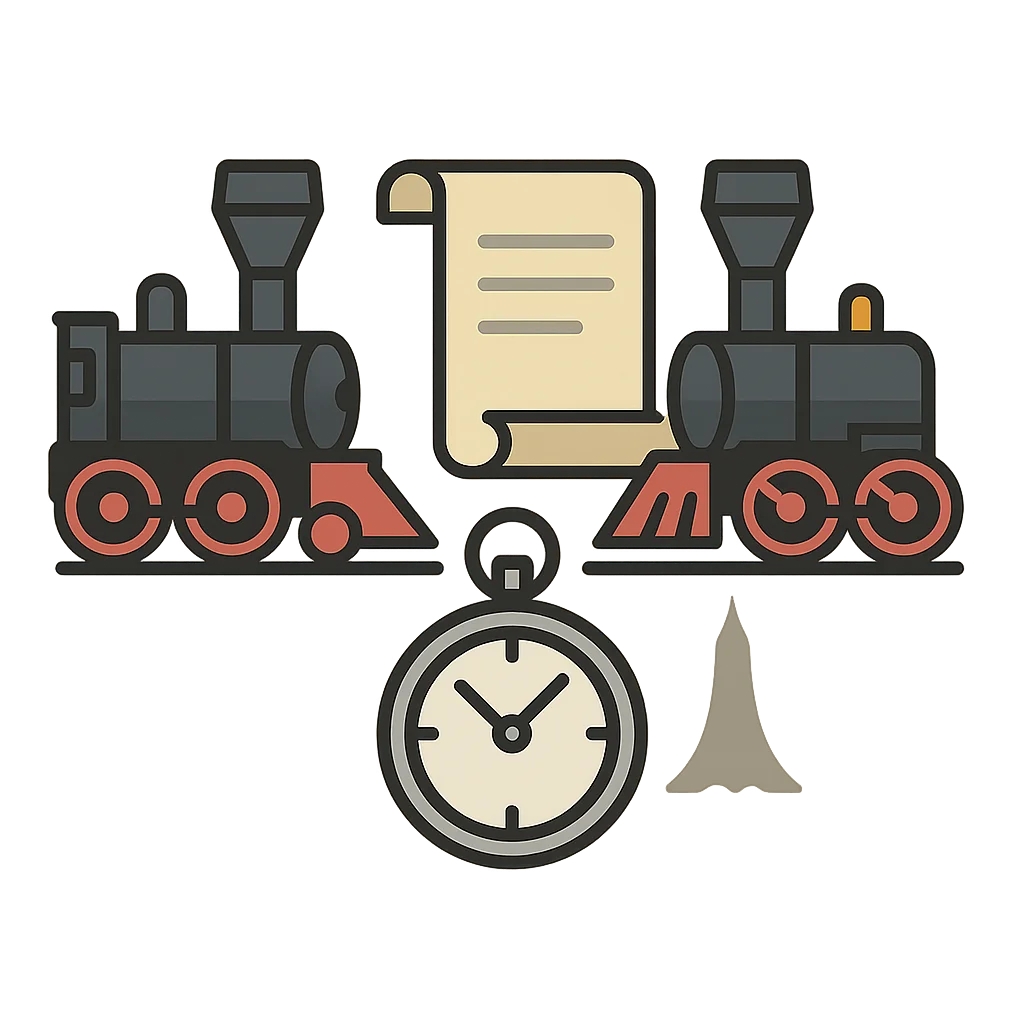
The Iron Ribbon That Tied a Nation Together
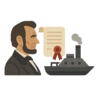
My name is Leland Stanford, and I had the great fortune to be part of one of the most ambitious projects our country has ever seen. Back in the middle of the 19th century, America was a vast and wild place. To travel from the bustling cities of the East, like New York or Boston, to the new lands of California in the West was a journey that could take months. You had to brave dangerous sea voyages around the tip of South America or cross a vast wilderness of towering mountains and scorching deserts by wagon train. Our nation was like two separate countries, divided by a formidable expanse of nature. But some of us had a dream, a vision of a ribbon of iron and steam that would tie our country together. This dream was so powerful that even in the midst of the Civil War, President Abraham Lincoln signed the Pacific Railway Act on July 1st, 1862. This act was more than just a law; it was a promise. It was a declaration that we would build a railroad across the entire continent, connecting the Atlantic and Pacific oceans. The challenge was immense, almost impossible. For my company, the Central Pacific, it meant conquering the Sierra Nevada mountains, a wall of solid granite that rose thousands of feet into the sky. For our rivals, the Union Pacific, it meant laying track across hundreds of miles of plains and deserts. It was a dream that would require all the courage and ingenuity we could find.
Our grand project became a great race. My company, the Central Pacific Railroad, started in Sacramento, California, and began building eastward. At the same time, the Union Pacific Railroad started in Omaha, Nebraska, and built westward. We were racing against each other, against time, and against nature itself. The work was some of the hardest imaginable. I will never forget the incredible perseverance of the workers. For the Central Pacific, our greatest challenge was the Sierra Nevada. To conquer those mountains, we relied on the skill and bravery of thousands of workers who had come from China. These men were amazing. With little more than hand drills, hammers, and black powder, they chipped and blasted their way through solid rock. They were lowered down sheer cliff faces in baskets to set explosive charges, a job so dangerous it took my breath away to watch. They carved tunnels through the mountains, inch by painful inch, through brutal winters where snow drifts could bury entire camps. The air rang with the constant clang of steel on rock and the boom of explosions echoing through the canyons. Meanwhile, the Union Pacific was charging across the plains, its crews made up mostly of Irish immigrants and veterans of the Civil War. They faced their own hardships—scorching summer heat, surprise blizzards, and the sheer emptiness of the Great Plains. Every single day, crews on both sides woke before the sun and worked until their muscles ached, laying down ties, hammering spikes, and pushing the iron rails forward. Mile by mile, we were taming the wilderness, replacing dusty wagon trails with a smooth, strong path of steel. It was a testament to the human spirit, a story of ordinary people doing extraordinary things.
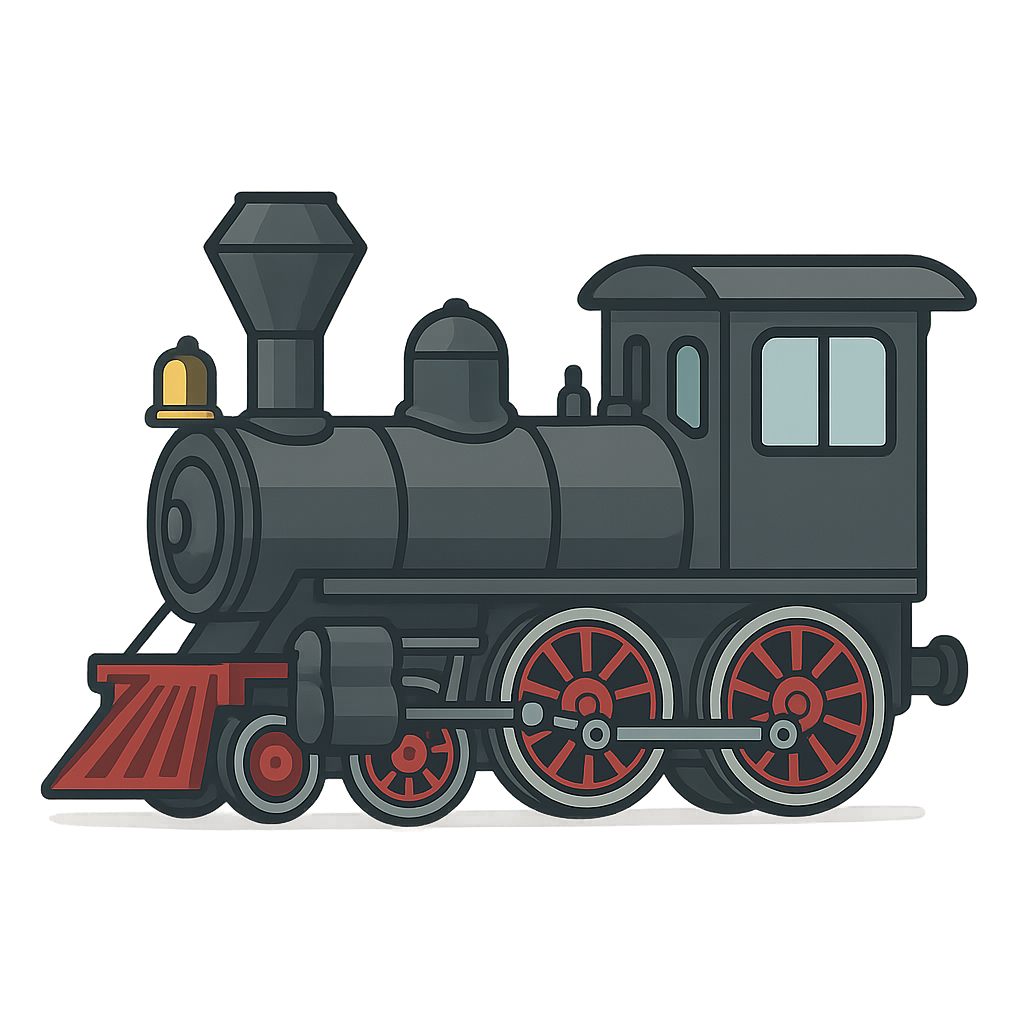
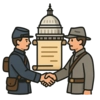
After six long and grueling years of labor, the moment we had all worked for finally arrived. On May 10th, 1869, the two great railroads met at a place called Promontory Summit in the Utah Territory. I remember that day as if it were yesterday. The air was electric with excitement. A crowd had gathered to witness history. Our Central Pacific locomotive, which we called Jupiter, steamed gently forward until its front touched the Union Pacific's locomotive, No. 119. The gap was closed. A special railroad tie made of polished laurelwood was laid down, and I was given the honor of holding a ceremonial spike made of pure California gold. A silver hammer was also presented. The crowd grew quiet as the final preparations were made. A telegraph operator stood ready, his wire connected to every major city in the nation. When the final spike was tapped, he sent a simple, one-word message that flashed from coast to coast: 'DONE.' Cannons fired, bells rang, and people celebrated across the country. In that single moment, our vast nation became smaller, more connected. The journey from New York to San Francisco, which once took half a year, could now be made in about a week. We had not just built a railroad; we had built a bridge across the continent. I knew then that this iron ribbon would change America forever, uniting its people and opening a new chapter in our history. It was a promise fulfilled, proving that with a bold dream and the will to work together, anything is possible.
Activities
Take a Quiz
Test what you learned with a fun quiz!
Get creative with colors!
Print a coloring book page of this topic.




 Free for Educators