

 English

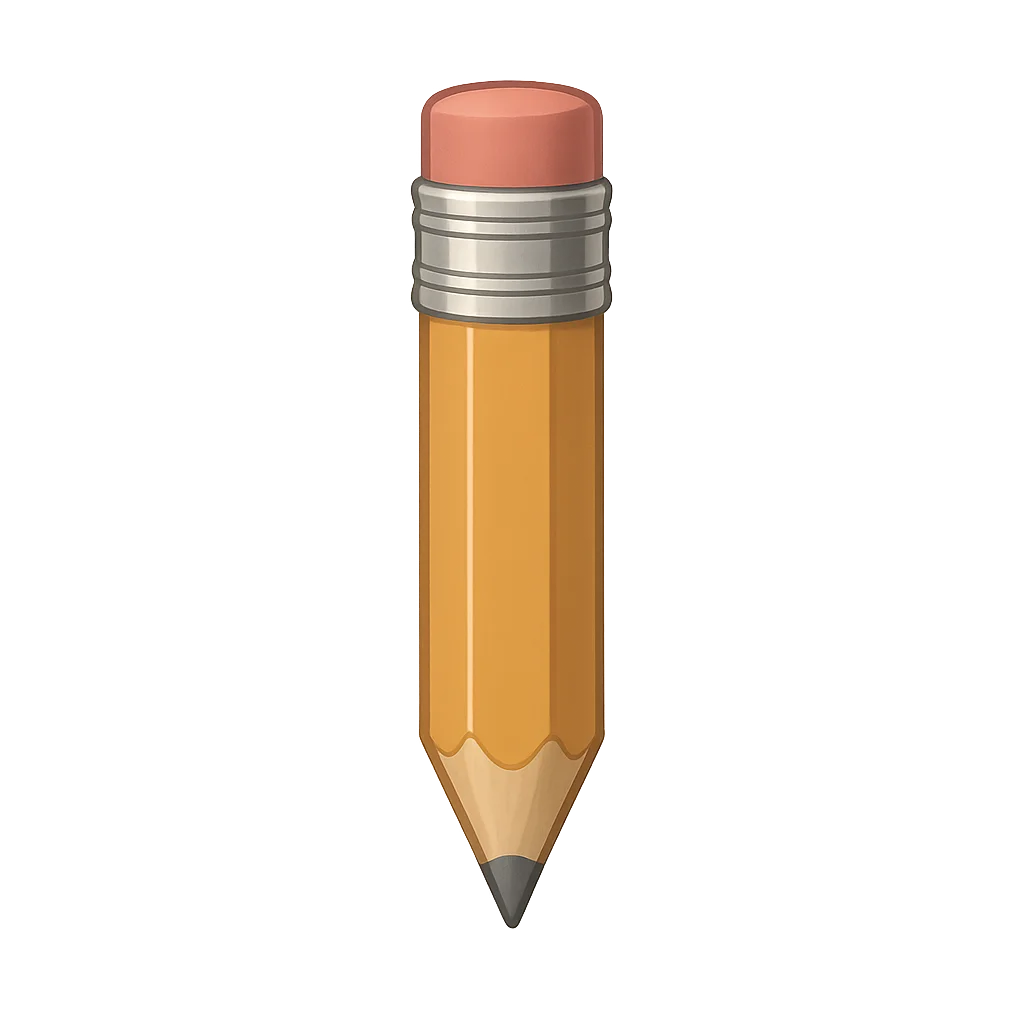
My Life as a Pencil
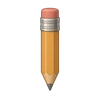
Hello there. You’ve probably held me in your hand a thousand times, but have you ever wondered about my story? I am the Graphite Pencil, and my life began long before I was placed in your pencil case. Before I came along, writing was a messy business. Imagine trying to do your homework with a pot of ink that could spill at any moment, or with a crumbly piece of charcoal that smudged all over your fingers and paper. It was tricky. I was created to be a simple, clean, and trusty friend for anyone with an idea. My body is usually made of smooth wood, often cedar, which smells wonderful when you sharpen me. But the most important part of me is my heart—a slender rod of graphite that runs right through my center. It’s this dark, silvery core that leaves a perfect, erasable mark on paper. My wooden coat keeps your hands clean and protects my fragile graphite heart from breaking. It’s a simple design, but it took a lot of clever thinking and a bit of luck to bring me into the world.
My story really begins with a happy accident in a place called Borrowdale, England, way back around the year 1565. A huge storm knocked over a giant oak tree, and underneath its roots, shepherds discovered a massive deposit of a strange, dark, and shiny mineral. It was pure graphite. At first, they thought it was a type of lead and used it to mark their sheep. Soon, people realized how useful it was for writing. They cut it into little sticks and, to keep their hands from getting dirty, they wrapped them in string. You had to unwind the string to reveal more of my graphite core. It worked, but I was still a bit clumsy and broke easily. For over two hundred years, this was the best I could be. Then, in 1795, a very clever Frenchman named Nicolas-Jacques Conté changed everything. He was a scientist in Napoleon's army, and he figured out a brilliant solution. He mixed graphite powder with clay, pressed it into sticks, and then baked it in a kiln, like pottery. This was a game-changer. By changing the amount of clay, he could make my graphite heart harder or softer, creating darker or lighter lines. I was finally strong, reliable, and much easier to make. But my evolution wasn't over. Another wonderful idea came along on March 30th, 1858. A man named Hymen Lipman had the bright idea to attach a small piece of rubber—an eraser—to my end. Suddenly, making a mistake wasn't a disaster. With a quick flip, you could whisk away a wrong letter or a stray line. I was complete.
Looking back, I see that my true purpose was to make ideas easy to share. I helped make writing and drawing accessible to everyone. You don’t need a fancy inkwell or a special pen to use me. A student in a classroom can solve a math problem with me, and a great artist can sketch a masterpiece with me. I am a tool for everyone, from presidents signing important papers to kids doodling in a notebook. My best quality is my simplicity. I don’t need batteries. I don’t need to be charged. I don’t run out of ink. All I need is a gentle sharpening now and then to keep my point ready for your next thought. I love the quiet scratchy sound I make as I move across a page, turning blank space into stories, drawings, and dreams. I am a small and humble object, but I am proud to be a bridge between your mind and the world. Every day, I help people everywhere capture their thoughts and creativity, one erasable line at a time.
Activities
Take a Quiz
Test what you learned with a fun quiz!
Get creative with colors!
Print a coloring book page of this topic.











 Free for Educators