

 English

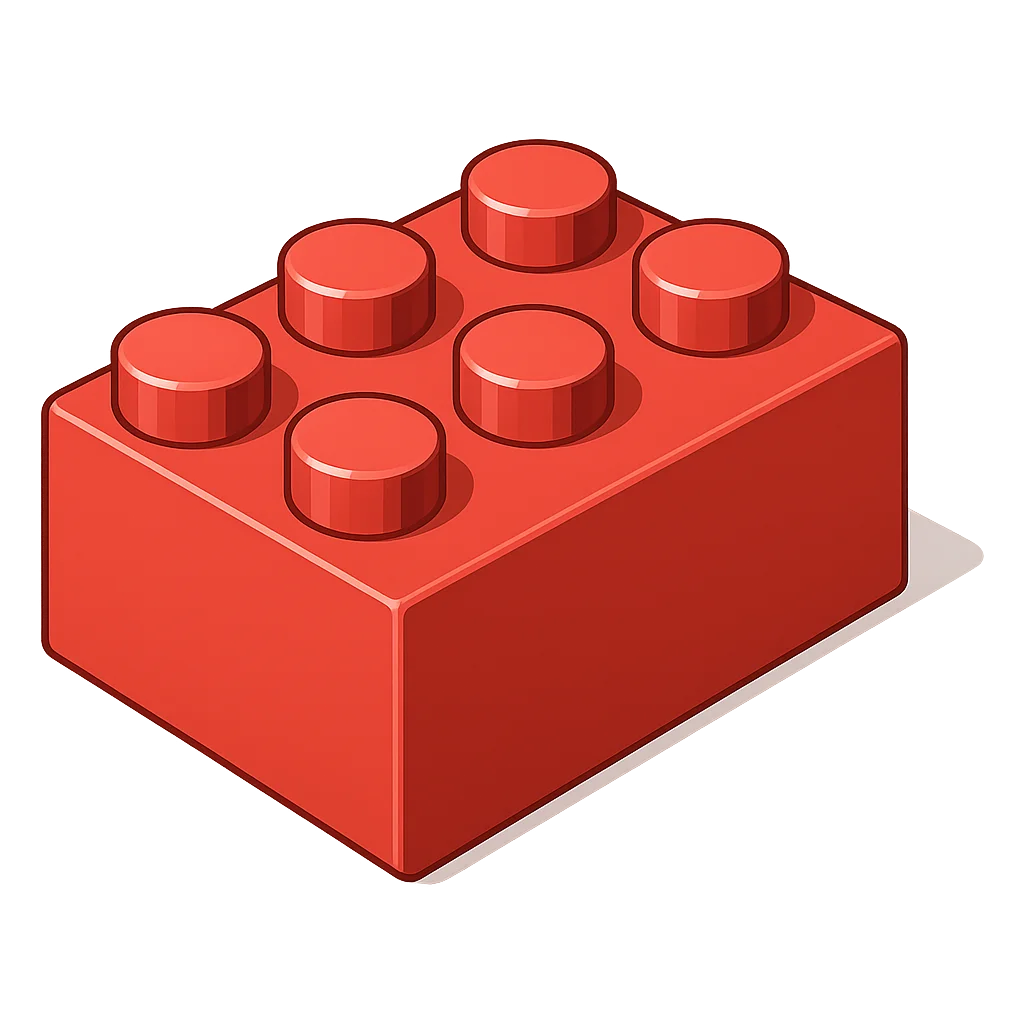
The Story of the LEGO Brick
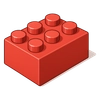
Hello. You probably know me. I’m that colorful, bumpy little block you can click together to build just about anything. I am the LEGO Brick. But my story didn’t start with a click. It started with the smooth feel of wood and the careful hands of a carpenter. My creator was a man named Ole Kirk Christiansen, who lived in a small Danish town called Billund. In 1932, his workshop was filled with the sweet smell of sawdust as he carved wonderful wooden toys, like ducks on wheels and spinning yo-yos. He loved seeing children happy, and he wanted his toys to be the very best. In 1934, he gave his little company a big name: LEGO. He combined the Danish words ‘leg godt,’ which means ‘play well.’ From that moment on, playing well was my most important job. I was proud to be a wooden toy, sturdy and classic, but a big change was coming for me, a change that would reshape my entire world.
My wooden life was simple and happy, but my creator, Ole, was always dreaming of new ideas. One day in 1947, he saw something that sparked his imagination: a plastic molding machine. He saw a future filled with bright, bold colors and brand-new shapes. He decided to take a chance, and by 1949, the very first plastic version of me was born. I wasn't called a LEGO Brick back then. My name was the 'Automatic Binding Brick.' I was so excited. I was no longer made of wood but of shiny, colorful plastic. I could be red, blue, yellow, or white. Children could stack me up high, building walls and towers. But I had a secret problem. I was hollow on the inside. When you stacked me, I just rested on top of the brick below me. There was nothing to hold me in place. The slightest nudge could send a magnificent castle tumbling down into a pile of plastic. It was so disappointing for my builders, and I felt wobbly and unreliable. I knew I wasn't living up to my ‘play well’ name just yet.
My big moment, the one that changed everything, came thanks to Ole’s son, Godtfred Kirk Christiansen. He shared his father’s dream and saw my true potential. He believed I shouldn't just be a single brick, but part of a whole ‘system of play.’ He wanted every brick, big or small, to connect perfectly with every other brick. For five long years, he and his team thought, sketched, and tested. They tried different shapes and sizes, looking for the perfect solution to my wobbly problem. Then, they found it. It was a brilliant, simple idea: they would put special, hollow tubes inside me. These tubes were designed to fit perfectly over the round studs on top of other bricks. On January 28th, 1958, the new design was patented, and I was reborn. The first time one of my new brothers was pressed onto another, we made a sound that would become famous. a magical, satisfying ‘click.’ It was the sound of a secure connection. I could finally grip onto other bricks, holding them tight. Castles would not fall. Spaceships would not crumble. I was no longer just a stacking block; I was a true building brick, ready for any adventure.
That perfect 'click' was heard all around the world. From my small home in Billund, I traveled to toy boxes in countless countries. I wasn't just a handful of bricks anymore; I became part of amazing sets that let children build roaring dinosaurs, futuristic cities, and enchanted castles. With me, a child could be an architect, an engineer, or an astronaut. I helped people learn how to follow instructions but also how to break them and create something totally new from their own imagination. I became a tool for learning about how things fit together, how to solve problems, and how to bring an idea to life. Looking back, I see that my journey from a simple wooden duck to a clicking plastic brick was all about connection. Every time two of my pieces click together, it’s the beginning of a new idea. It’s a promise that with a little creativity and a lot of fun, you can build anything you dream of.
Activities
Take a Quiz
Test what you learned with a fun quiz!
Get creative with colors!
Print a coloring book page of this topic.







 Free for Educators