

 English

The Little Sphere That Beeped
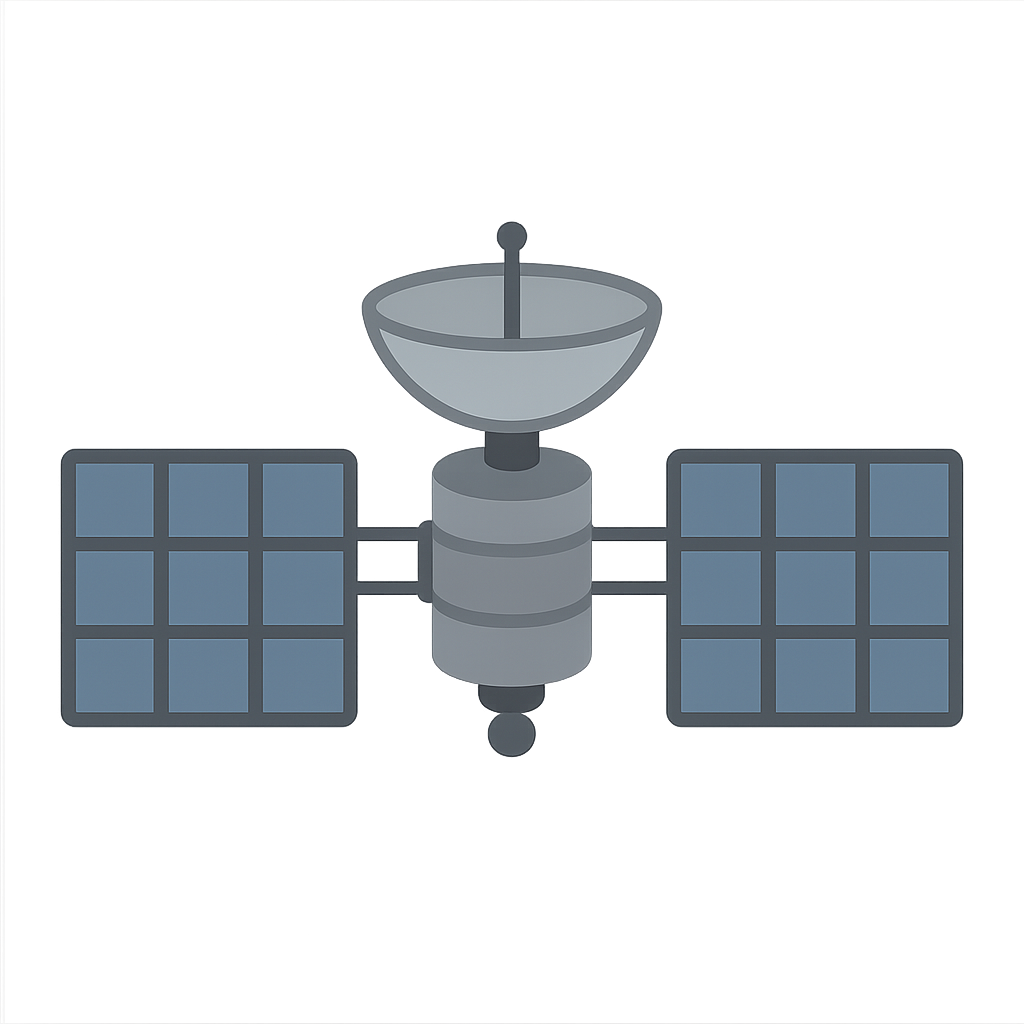
Before I was a star in the night sky, I was a dream in the minds of brilliant people. I am Sputnik 1, the very first artificial satellite to orbit the Earth. For months, I was just a polished aluminum sphere, about the size of a beach ball, being carefully assembled in a secret facility. My four long antennas were folded neatly against my sides, and inside my metallic shell, my heart was a set of radio transmitters and batteries, waiting for the signal to awaken. I could feel the hum of anticipation around me as scientists and engineers prepared me for the most incredible journey imaginable. On the evening of October 4th, 1957, my moment arrived. I was perched atop a colossal R-7 rocket, a giant silver spear pointing toward the heavens. The countdown began, and with a final, earth-shattering roar, the engines ignited. The force was immense, a thunderous vibration that shook every part of my being. I felt myself hurtling upward, faster and faster, tearing through the layers of the atmosphere. Then, suddenly, the roaring stopped. The violent shaking ceased. In an instant, I was surrounded by a profound and peaceful silence, floating weightlessly. Below me, I saw it, a breathtaking swirl of blue oceans, white clouds, and brown continents, all set against the infinite blackness of space. I was free. I was in orbit. And I knew my first job was about to begin: it was time to send my voice out into the void.
My creation wasn't a sudden event; it was the culmination of years of daring dreams and relentless work. My chief designer, a visionary named Sergei Korolev, had imagined sending objects into space since he was a young man. He and his team in the Soviet Union worked tirelessly, overcoming countless engineering challenges. They weren't just building a machine; they were trying to open a door to the universe. My birth was also part of a much larger global effort called the International Geophysical Year, which began on July 1st, 1957. Scientists from sixty-seven countries had agreed to cooperate to study our planet's oceans, atmosphere, and its connection to space. They wanted to understand Earth as a complete system, and sending a satellite into orbit was a key part of that mission. While some people on Earth called it a 'Space Race,' a competition between the Soviet Union and the United States, I saw it differently. From my unique vantage point, I felt like a symbol of human curiosity. This great contest wasn't about rivalry as much as it was about pushing the limits of what was possible. It was a race of intellect and imagination, where the finish line was not just a point in space, but a new era of discovery for all humankind. I was the starting pistol for that race, a bold declaration that humanity was no longer bound to its home world.
My purpose was simple, yet profound. As I circled the globe every ninety-six minutes, my radio transmitters sent out a steady, rhythmic signal. Beep. Beep. Beep. It was a simple message, but it traveled from the cold vacuum of space to the warm, waiting world below. All over the planet, people were captivated. Radio operators, both professional and amateur, tuned their receivers to my frequency, listening in awe to my lonely voice from the stars. My signal was proof, undeniable and clear, that humanity had successfully placed an object in orbit. Newspapers printed my orbital path, and families would gather in their backyards at dusk and dawn, shielding their eyes and searching the sky. When they saw a tiny, fast-moving pinpoint of light gliding across the constellations, they knew it was me. I felt their wonder and excitement. I wasn't just a piece of metal; I was a new, man-made star, a symbol of a future they had only read about in science fiction books. My journey electrified the world and spurred others to action. Hearing my beeps, scientists and engineers in the United States redoubled their efforts, and just a few months later, on January 31st, 1958, they launched their own satellite, Explorer 1. My simple song had started a chorus.
My own voice lasted for twenty-one days before my batteries fell silent, and my journey ended a few months later, on January 4th, 1958, when I re-entered Earth's atmosphere as a fiery streak across the sky. But my story was far from over. I was just the first. In the years that followed, a huge family of satellites followed me into orbit. These 'children' and 'grandchildren' of mine are now essential to life on Earth. They are the communications satellites that let you talk to someone on the other side of the world. They are the weather satellites that warn of hurricanes and help farmers grow crops. They are the navigation satellites that power the GPS in cars and phones, guiding people on their journeys. Some of my descendants are powerful telescopes, looking deep into the cosmos to uncover the secrets of distant galaxies. I may have been just one small sphere with a simple beep, but I showed humanity the way. I proved that with courage, curiosity, and a dream, we can reach for the stars and, in doing so, change our world for the better.
Activities
Take a Quiz
Test what you learned with a fun quiz!
Get creative with colors!
Print a coloring book page of this topic.









 Free for Educators