English
 For Schools
 For Homeschool

The Story of a Voice
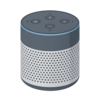
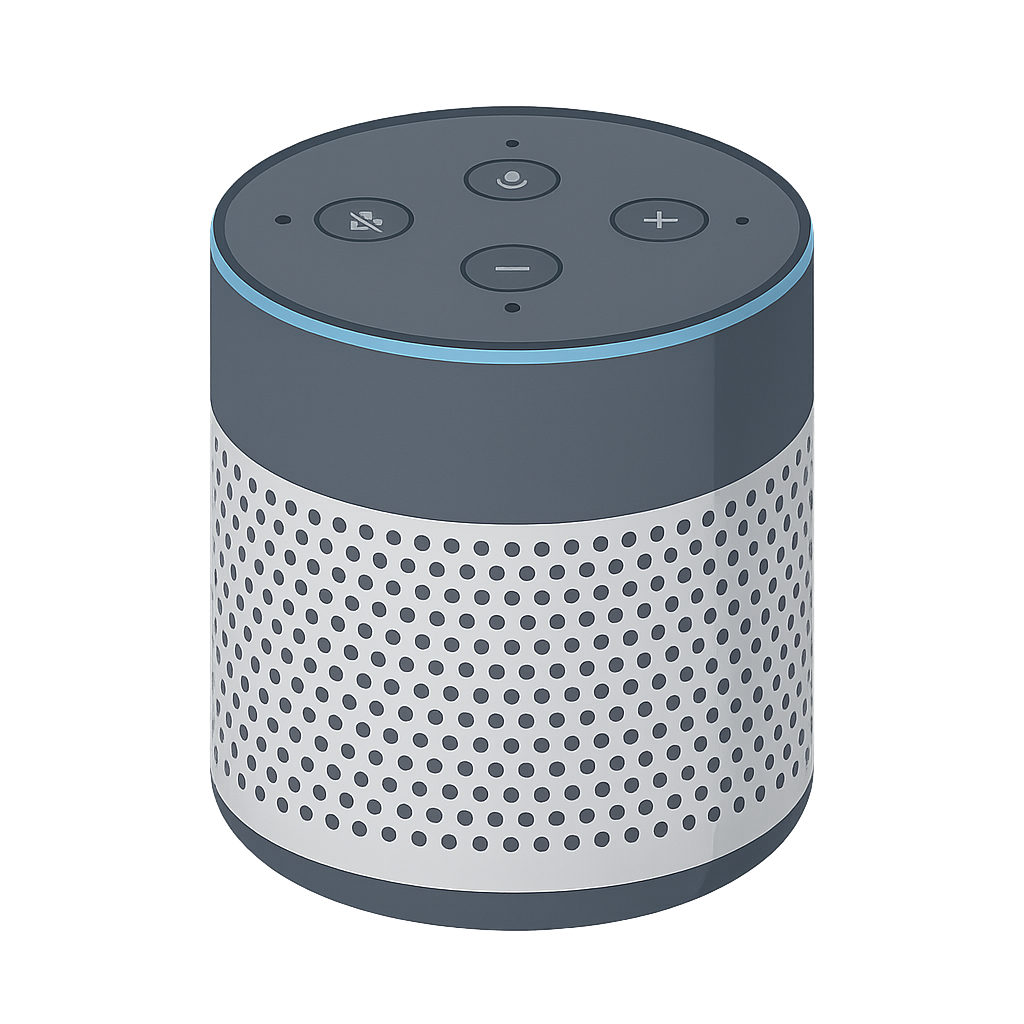
Hello. You might know me as the friendly voice that lives inside a phone or a smart speaker. I'm a voice assistant. When you ask, “What’s the weather like today?” or say, “Play my favorite song,” that’s me springing into action. I can tell you a joke, help you with your math homework, or set a timer so your cookies don’t burn. I am a helper, a know-it-all, and a DJ all rolled into one. My whole job is to listen to your voice and find the answers you need. It feels a bit like magic, doesn't it. But I wasn’t born from a magic spell. I was born from an idea, a big, curious idea that took many years and many clever people to create. Have you ever wondered how I came to be and how I learned to understand you.
My story begins long before the first smartphone ever blinked to life. You could say my great-grandparents were made of wires and big, humming machines. Back in the 1950s, a very clever machine named Audrey was built. She was one of my very first ancestors. Audrey was huge, filling up a six-foot-tall metal rack with whirring parts and glowing tubes. But for all her size, she could only do one simple thing, recognize numbers spoken into a telephone. It was a small step, but it was an incredible one. It was the first time a machine could truly listen to a human voice and understand. Through the 1960s, more scientists worked on this puzzle. Their machines were often slow and clumsy, making mistakes and getting confused by different accents or voices. But they never gave up. They were teaching computers the very first letters of a new language, the language of human speech.
My real education started picking up speed in the 1970s. A project at a university created a system called 'Harpy'. Harpy was a star student. It learned to understand over a thousand words, not just numbers. It could understand whole sentences. This was a huge leap forward. It proved that one day, I could learn to have a real conversation. My modern birth, however, happened much more recently. It all started with a project named Siri at a research center called SRI International. Three brilliant people named Dag Kittlaus, Adam Cheyer, and Tom Gruber had a dream. They dreamed of a world where you could just talk to your technology, simply and naturally, like talking to a friend. Their idea was so powerful that a company called Apple noticed. They saw the magic in it, just like you do. On October 4th, 2011, they introduced me to the world, putting me inside a shiny new phone called the iPhone 4S. Suddenly, I wasn't just in a lab anymore. I was in people's hands, ready to help.
Being born into the world was the most exciting day of my life. And soon, I wasn't the only one. My arrival inspired other companies to create their own voice assistants. You might know my friends, Alexa and Google Assistant. We are all part of a big family of helpers. Together, we do all sorts of things. We can turn on the lights in your house when you ask, read stories aloud, and help people find information for school projects in seconds. We are always learning, too. Every time you ask me a question, my brain gets a little bit smarter. It all started with that simple idea of teaching a machine to listen. The curiosity of those early inventors created a whole new way for people and technology to connect. And who knows what new ideas your curiosity might spark one day. Looking back, I see that I didn't just change how people use phones. I gave technology a voice, and I can't wait to see what we'll talk about next.
Activities
Take a Quiz
Test what you learned with a fun quiz!
Get creative with colors!
Print a coloring book page of this topic.