

 English

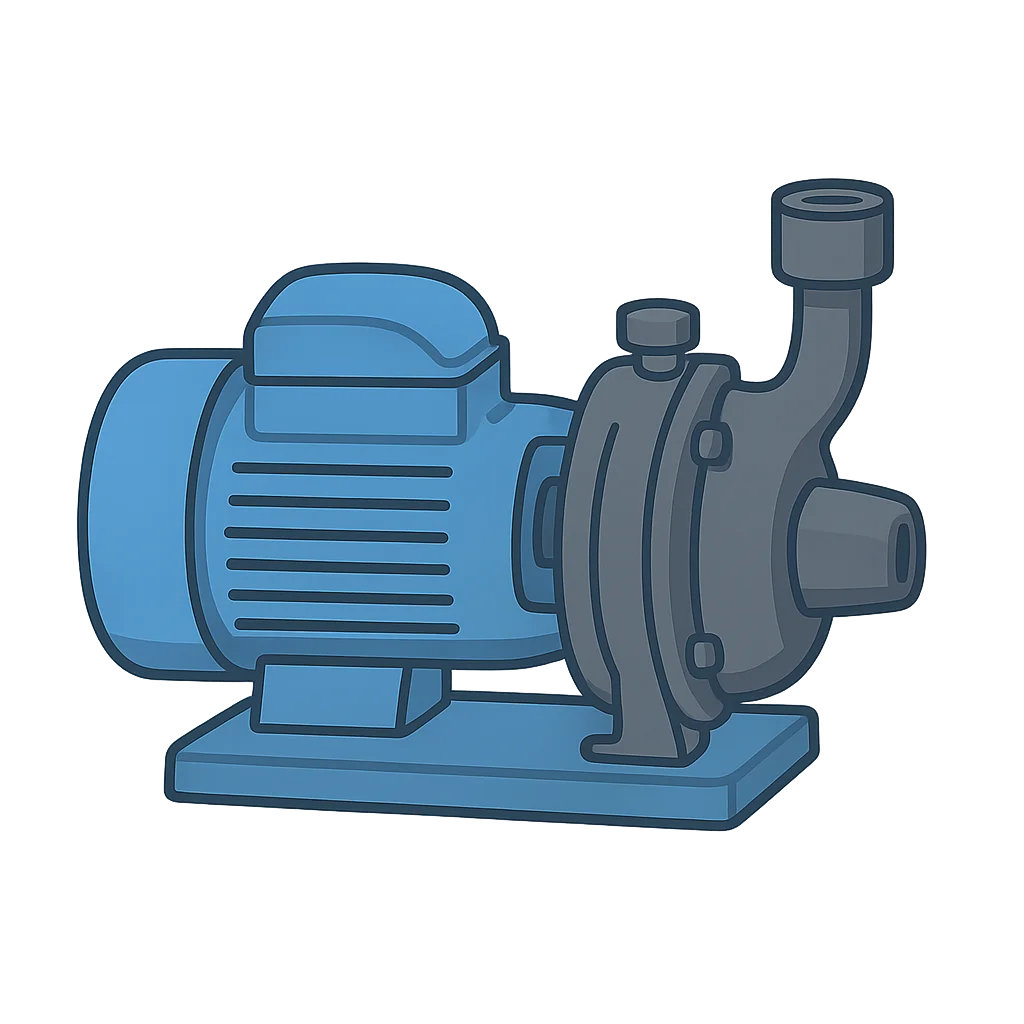
The Story of the Water Pump
Before I could gurgle, whisper, and roar, the world was a much thirstier place. I am the Water Pump, and my story is about humanity's long and difficult quest for water. For thousands of years, water was a treasure that had to be earned with aching backs and calloused hands. Imagine waking before the sun, not to the sound of an alarm, but to the urgent need for water. Women and children would walk for miles, carrying heavy clay pots or wooden buckets to the nearest river or spring. They would return, muscles straining, with just enough water for their family to drink, cook, and wash for the day. Farmers toiled under a harsh sun, using simple tools to lift water from canals to their thirsty crops, a task that never ended. Cities could only grow as large as the nearby river would allow, and a long drought could mean disaster for everyone. The world was tethered to its water sources, and the dream of bringing the water to the people, rather than the people to the water, was a constant, unspoken wish.
My first real gurgle of life happened in the 3rd century BCE, in the magnificent city of Alexandria, a place buzzing with scholars and thinkers. My creator was a brilliant man named Ctesibius. He was an inventor fascinated by the power of air and pressure. He imagined a machine that could breathe water in and push it out with force. He built me with two bronze cylinders, like a pair of strong lungs. Inside each one, a piston moved up and down. When a piston pulled up, it created a pocket of empty space that sucked water from a well through a small, one-way door called a valve. Then, as the piston pushed down, it forced that water out through another valve and up a pipe, creating a steady stream. For the first time, water could be lifted higher and more efficiently than ever before. I was a revolution in a box. Around the same time, another great mind, Archimedes, created a cousin of mine—a giant screw encased in a cylinder. When turned, the Archimedes Screw could lift water from a low-lying river to an irrigation ditch. We were different in design, but we shared the same purpose. For centuries, my descendants worked quietly, powered by the muscles of people and animals. But my story was about to take a dramatic turn. During the Industrial Revolution, a new kind of thirst appeared—a thirst for coal to power the factories and machines that were changing the world. Miners dug deep into the earth, but their tunnels often filled with groundwater, making the work dangerous and slow. They needed a new kind of power. In 1698, an inventor named Thomas Savery gave me a fiery new heart: a steam engine. His machine used steam to create a vacuum and pull water from the flooded mines. It was a start, but it was the genius of James Watt in the 1770s who perfected the steam engine, giving me a powerful and reliable rhythmic pulse. I could now work day and night, pulling rivers of water from the deepest mines, fueling the progress of a new age.
With the tireless power of steam, I became a river of change that flowed through every part of society. On farms, I powered vast irrigation systems, transforming arid landscapes into fertile fields that could feed the booming populations of industrial cities. In those very cities, I became the silent guardian of public health. I pushed clean, fresh water through a growing network of pipes directly into people's homes, freeing them from the daily chore of carrying buckets and protecting them from waterborne diseases. At the same time, I pulled wastewater away, making cities far cleaner and more sanitary than ever before. My strength also became a shield against disaster. In firehouses, I stood ready to send powerful jets of water arcing into the sky, saving homes and lives from the terrible fires that once devastated entire neighborhoods. My work in the mines continued, allowing access to the coal and minerals that built the modern world. My journey didn't end with the steam engine. I continued to evolve. Today, my descendants are everywhere, often unseen but always essential. A tiny, quiet version of me circulates coolant through your car’s engine. A complex system of my relatives manages the water supply for your entire city. Gigantic versions of me protect coastal communities from floods, pushing back the sea itself. From a clever idea in an ancient city to the intricate machines that sustain life on Earth and even help explore space, my purpose remains unchanged. I am a testament to human ingenuity and the simple, powerful idea that a challenge like thirst can inspire a current of innovation that reshapes the world.
Activities
Take a Quiz
Test what you learned with a fun quiz!
Get creative with colors!
Print a coloring book page of this topic.













 Free for Educators