

 English

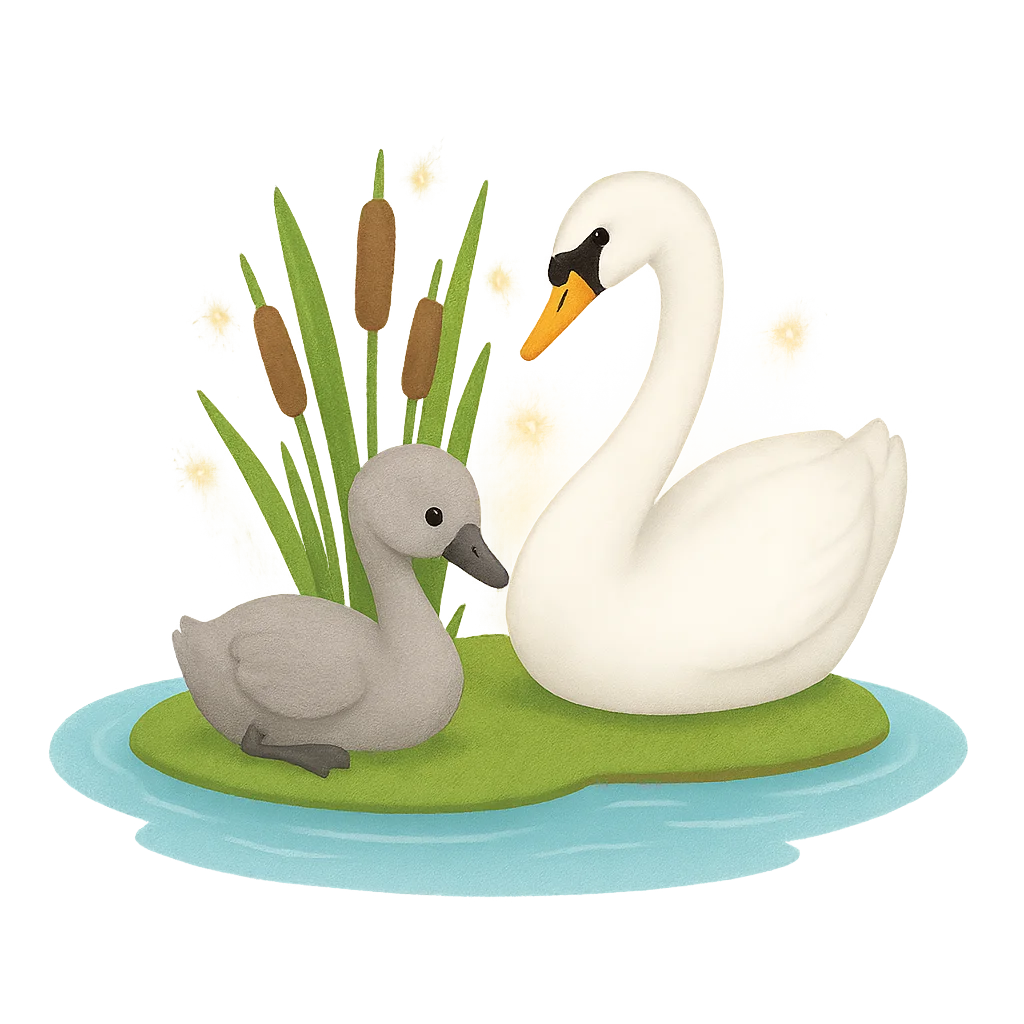
The Ugly Duckling's Journey
The moment I hatched was a confusing one. I remember the warm sun on the farmyard and the soft, downy feathers of my mother duck, but I also remember the puzzled stares from my new brothers and sisters. I was just different. My feathers were a dusty gray instead of a cheerful yellow, my body was bigger, and my feet felt clumsy and awkward. The other animals on the farm—the gossiping chickens, the puffed-up turkey, and even the slinking barn cat—never let me forget it. "Look at that ugly thing!" they'd squawk and quack. They would peck at my tail feathers and chase me away from the grain. Though my mother tried her best to protect me, tucking me under her wing, I could feel the whispers and stares. I always felt like a puzzle piece that didn't fit. My name is not one I was given at hatching, but one I was called by everyone else: the Ugly Duckling. This is the story of my long, lonely search to find where I truly belonged.
One bright morning, the teasing became too much to bear. My heart felt heavy and gray like my feathers, so I decided to run away from the only home I’d ever known. I waddled away from the farmyard and wandered through vast marshes and whispering fields, completely alone. Can you imagine how big and sometimes frightening the world can seem when you're all by yourself? I met a flock of wild ducks who just laughed at my appearance, honking, "You're certainly an odd one!" and flying away. Later, I had to hide in the tall reeds, my heart thumping like a drum, as hunters' dogs barked nearby. As the golden days of autumn faded, the world grew colder and the nights grew longer. Winter arrived with an icy breath, freezing the ponds and covering the world in a blanket of silent snow. I was so tired, so hungry, and so very cold. One afternoon, shivering near a frozen pond, I saw a flock of the most breathtaking birds I had ever seen soaring high above. They were pure, brilliant white, with long, graceful necks that curved like a question mark. As I watched them fly south, I felt a strange, powerful pull in my heart, a deep ache of longing for something I couldn't name. The winter was the hardest time of all. I survived by hiding in the frozen reeds, feeling more lost and alone than ever before.
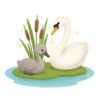
When spring finally returned, it was like the world was waking up from a long, cold dream. The sun melted the ice, and tiny green shoots pushed their way through the soil. I felt stronger, too, and when I stretched my wings, I realized they had grown large and powerful. One beautiful morning, I flew over a magnificent garden and saw a crystal-clear lake below. Swimming gracefully on its surface were three of those same glorious white birds I had seen before winter. My heart fluttered with both fear and hope. I decided to fly down to them, even if it meant they would chase me away with cruel pecks, just like everyone else. As I landed gently on the water, I bowed my head, expecting the worst. But then, I saw my own reflection staring back at me. I gasped. I wasn't a clumsy, gray, ugly duckling anymore. Staring back at me was a creature with a long, elegant neck and feathers as white as snow. I was a swan! The other swans glided over, not to chase me away, but to welcome me. "You are one of us!" they trumpeted joyfully. I had finally found my family, my flock, my home. My story was written down a long, long time ago, on November 11th, 1843, by a man from Denmark named Hans Christian Andersen, who understood what it felt like to be different. My journey reminds us that everyone has their own time to grow and blossom, and that true beauty comes from who you are inside. It teaches us to be kind, because you never know when an ugly duckling is really a magnificent swan just waiting to find its wings.
Activities
Take a Quiz
Test what you learned with a fun quiz!
Get creative with colors!
Print a coloring book page of this topic.





 Free for Educators