

 English

The Desert of Stars and Secrets
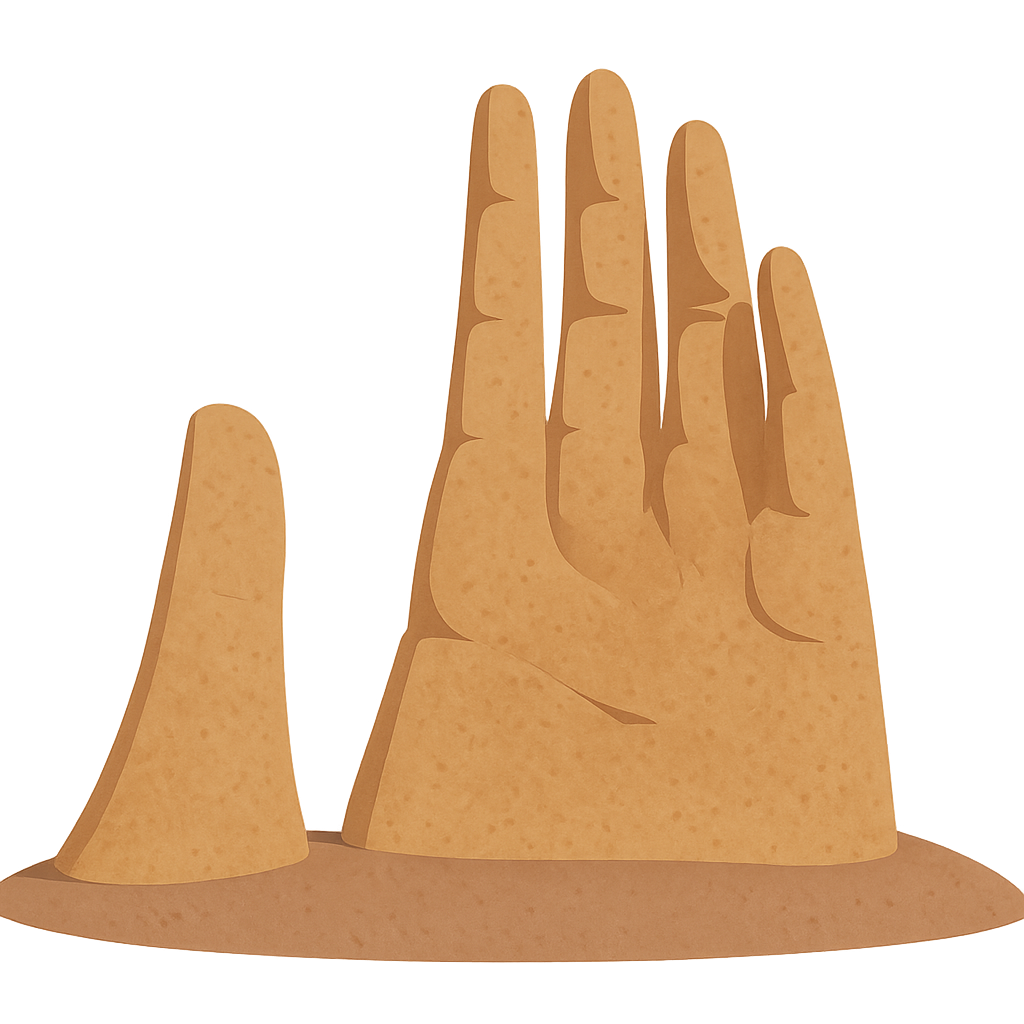
Imagine a place so quiet you can almost hear the earth sigh. The ground beneath your feet crunches with salt, and the air is so still and dry that some parts of me haven't felt a single drop of rain for hundreds of years. During the day, the sun warms my rocky hills and sandy plains, painting them in shades of red, orange, and brown. But at night, something truly magical happens. The sky becomes a deep, dark velvet cloth, and someone has spilled a jar of glittering diamonds all over it. The stars are brighter here than almost anywhere else on Earth, shining with a steady, peaceful light. I am a land of starlight and silence, a place of ancient secrets and future discoveries. I am the Atacama Desert.
I am one of the oldest deserts in the world, and I have held stories in my sands for a very long time. Long before pyramids were built in faraway lands, a clever and resilient group of people learned to call me home. Around 7,000 BCE, the Chinchorro people arrived. They were skilled fishers who found food in the nearby ocean and brave hunters who found ways to live in my challenging landscape. They understood my secrets and respected my power. Because I am so incredibly dry, I don't let things decay as they would in other places. When the Chinchorro people's loved ones passed away, they carefully prepared them for an eternal rest. My dry air preserved them perfectly, creating the oldest mummies in the entire world, thousands of years older than the famous ones in Egypt. I became a silent guardian of their history, keeping their memory safe within my dusty embrace.
Thousands of years later, in the 1800s, people from all over the world rushed to me, searching for a different kind of treasure. It wasn't gold or jewels, but a special mineral called nitrate that was hidden just beneath my soil. This nitrate was like a super-food for plants, and farmers far away used it to help their crops grow strong and healthy. A great treasure hunt began. People built entire towns in the middle of my driest plains, with houses, town squares, and even theaters. Life was tough. Every drop of water had to be brought in from far away, but the towns were full of energy and hope. Then, one day, scientists discovered a new way to make the same mineral in factories. The treasure hunt was over. People packed their bags and left as quickly as they had come. They left their towns behind, and now I watch over these fascinating ghost towns, preserving their empty buildings as a memory of that bustling time.
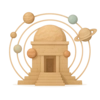
My story doesn't end with ghost towns. Today, I have a new and exciting job. The same clear, dry air that preserved the ancient mummies makes me the perfect place for scientists to look deep into space. High on my mountain peaks, giant, futuristic telescopes stand like curious robots gazing at the heavens. Instruments like the Very Large Telescope and ALMA are humanity's giant eyes, and I help them see farther than ever before. From my quiet corners, astronomers can watch new stars being born and discover galaxies that are billions of light-years away. I am a special place that holds the deep past and the far-off future in the same sandy hands. I show people how life can thrive in the toughest conditions, and I invite everyone to look up at my brilliant night sky and wonder about their place in the amazing universe.
Activities
Take a Quiz
Test what you learned with a fun quiz!
Get creative with colors!
Print a coloring book page of this topic.





 Free for Educators