

 English

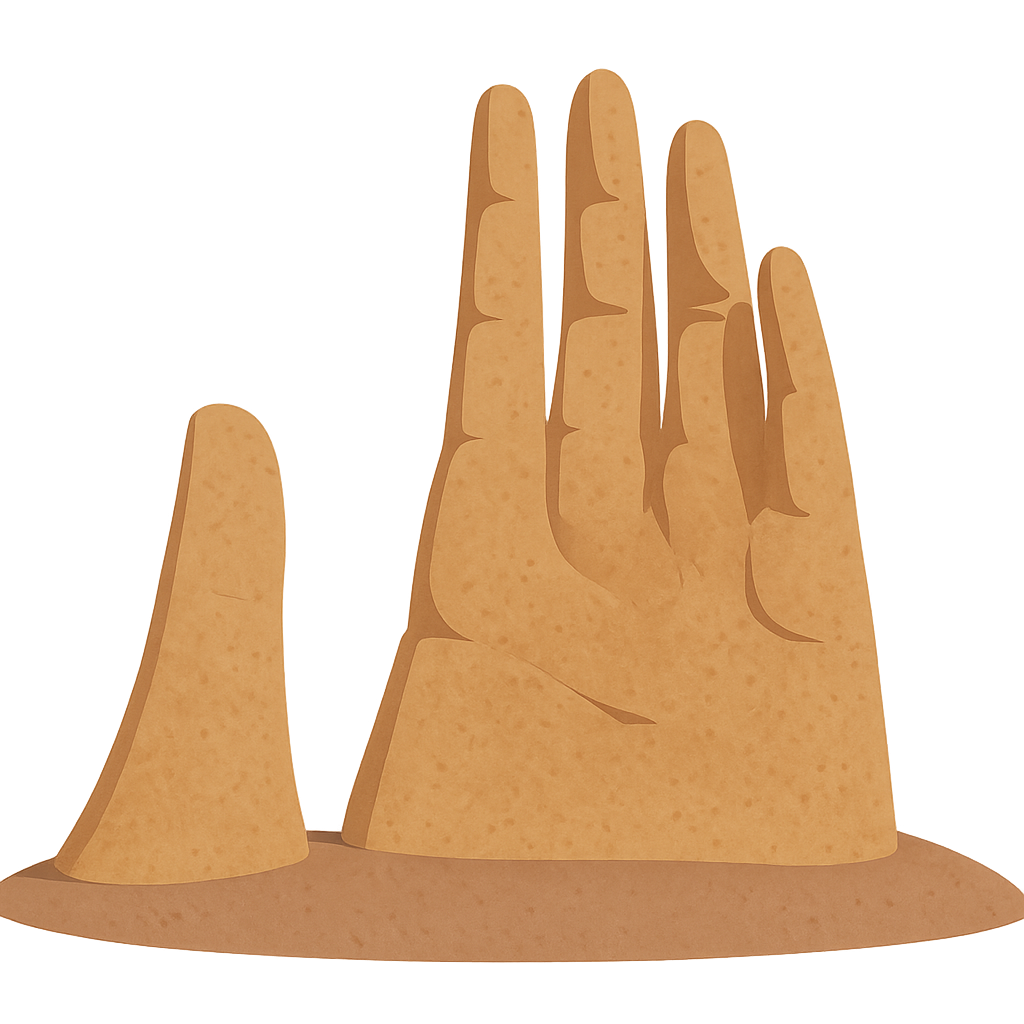
The Desert of Stars and Secrets
Imagine a place where the ground crunches under your feet, tasting of salt. The air is so dry it feels thin and sharp in your lungs, and the sky above is a brilliant, endless blue that seems to stretch on forever. The horizon is vast and empty, a quiet landscape painted in shades of red, brown, and gray. I have held my silence for millions of years, guarding secrets from the tiniest life forms hiding beneath my soil to the giant, glittering stars that wheel across my night sky. I am a land of extremes, a place of profound stillness and dazzling clarity. I am the Atacama Desert, the driest place on Earth.
My story began long before humans walked the Earth. For millions of years, two mighty mountain ranges have stood guard over me. To the east, the towering Andes Mountains rise like a great wall, and to the west, the Chilean Coast Range hugs the Pacific Ocean. These ranges act as my protectors, blocking rain clouds from ever reaching me. They create what scientists call a 'rain shadow,' which is why some parts of me have not seen a single drop of rain in over 400 years. This made me a challenging home, but not an impossible one. Over 7,000 years ago, a resourceful group of people called the Chinchorro learned my secrets. They lived along my coastal edges, finding life in the sea. They were incredibly resilient and had a deep respect for their families. When their loved ones passed away, they developed a special way to preserve them, creating intricate mummies that are the oldest in the world—even older than those in ancient Egypt. It was their way of keeping their ancestors close, a testament to love and memory in this stark land.
For centuries, I remained a quiet, lonely place. In the 16th century, a Spanish explorer named Diego de Almagro and his men tried to cross my expanse. They found me to be a formidable barrier of heat and thirst, a land that did not give up its secrets easily. But things changed dramatically in the 19th century. People discovered a different kind of treasure hidden just beneath my surface: a white, salty mineral called nitrate. This mineral was like a superfood for plants, and it was also used to make explosives. Suddenly, the world wanted what I had. Prospectors and workers flocked here from Chile, Bolivia, Peru, and even Europe. Bustling towns sprang up almost overnight, filled with homes, theaters, and swimming pools. They were vibrant communities in the middle of nowhere. But when scientists learned to make nitrate in factories, the boom ended as quickly as it began. Today, towns like Humberstone are quiet ghost towns. Their empty buildings whisper stories on the wind, reminding everyone of the life that once thrived here, all for a handful of white crystals.
While my earthly treasures have faded, my greatest gift has always been above me. The same dry air and high altitude that make life so difficult on the ground make me the perfect place to look at the sky. There is almost no moisture or pollution to blur the view, so the stars shine with an incredible, steady brilliance. Because of this, scientists from around the world have built some of the most powerful telescopes right here on my mountains. They are like my giant, curious eyes, gazing into the deepest parts of the universe. The Very Large Telescope, or VLT, can see objects that are billions of times fainter than what the human eye can see. Another, called ALMA, listens for the faint radio waves from the coldest, most distant parts of space. Through these eyes, humanity has discovered new planets orbiting distant stars, watched galaxies collide, and learned how stars are born from cosmic dust. My landscape is so alien and similar to the Red Planet that scientists even bring their Mars rovers here to test them before sending them on their long journey into space.
I am a land of contrasts, a bridge connecting the ancient past with the distant future. In my soil, archaeologists find the perfectly preserved remains of the Chinchorro people, teaching us about the earliest chapters of human history. At the same time, my giant telescopes are writing the next chapters of cosmic discovery. Even in my driest corners, life finds a way. Tiny organisms called extremophiles survive against all odds, showing us the incredible power of resilience. They teach a valuable lesson: even in the harshest places, life can flourish. I am a reminder that there is so much to discover, both on our own planet and in the universe beyond. I hope my story inspires you to stay curious, to look closely at the world around you, and to never forget to look up at the stars. They hold more wonders than you can ever imagine.
Activities
Take a Quiz
Test what you learned with a fun quiz!
Get creative with colors!
Print a coloring book page of this topic.





 Free for Educators