

 English


The Island That Dances
Feel the warm sun on your skin, like a gentle hug that lasts all day. Listen to the turquoise water as it whispers secrets to my sandy shores. Can you smell that? It’s the sweet scent of sugarcane fields swaying in the breeze, mixed with the salty air of the sea. Look over there, a bright blue car that looks like it drove right out of a storybook rumbles past, followed by a shiny red one. Where are you? You are with me, and I have a story to tell. I am the island of Cuba, a jewel sparkling in the Caribbean Sea.
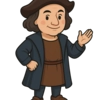
My story begins long, long ago, with the first people who left their footprints in my sands. They were called the Taíno, and they lived peacefully with me. They paddled their canoes, called canoas, through my calm, clear waters and fished for their dinner. In my rich soil, they grew delicious corn, sweet potatoes, and yuca. For hundreds of years, their laughter was the only sound that mixed with the songs of my birds. But one day, a big change came sailing over the horizon. On October 28th, 1492, three tall ships with giant white sails appeared. An explorer named Christopher Columbus was on board, and he was the first person from Europe to see my shores. That day was the beginning of a whole new chapter for me.
Soon, more ships arrived from a country called Spain. The Spanish people decided to build new homes here. They created beautiful cities with winding cobblestone streets you can still walk on today. They built strong stone forts along my coastline to protect their treasures, especially in my capital city, Havana. They also brought new plants to my soil, like sugarcane and coffee beans, which loved my warm climate and grew tall and strong. But they weren't the only new people. Many people were brought here from Africa, and their strength and spirit became a vital part of my story. A new culture was born from the mixing of Spanish, African, and my original Taíno roots. This wonderful blend created the special music, delicious food, and lively spirit that makes me who I am today.
As the years passed, my people began to dream of writing their own story, of being independent. A great hero named José Martí used the most powerful tool he had: his words. He was a poet who wrote beautiful verses about freedom that filled everyone's hearts with courage and hope. He inspired them to believe that I could stand on my own. It was a long struggle with many hard times, but my people's spirit was strong. After they finally won their independence, my story took another interesting turn. For a while, my connection with some parts of the world changed, which is why you see so many amazing old American cars from the 1950s still cruising down my streets. They are like a rolling museum, a colorful reminder of a unique time in my past.
Today, my heart beats with a rhythm you can feel everywhere. It’s in the salsa music that spills out of open doorways and makes you want to dance right there on the street. It’s in the importance of family, who gather to share big meals and even bigger laughs. It’s in the bright colors of the paintings sold in my town squares. I am an island of resilience and creativity. My history is long and has many different parts, but it has created a culture full of passion and joy. My heartbeat is in my music and in the smiles of my people. I hope my story inspires you to dance to your own rhythm and celebrate the amazing history that makes you special.
Activities
Take a Quiz
Test what you learned with a fun quiz!
Get creative with colors!
Print a coloring book page of this topic.






 Free for Educators