

 English

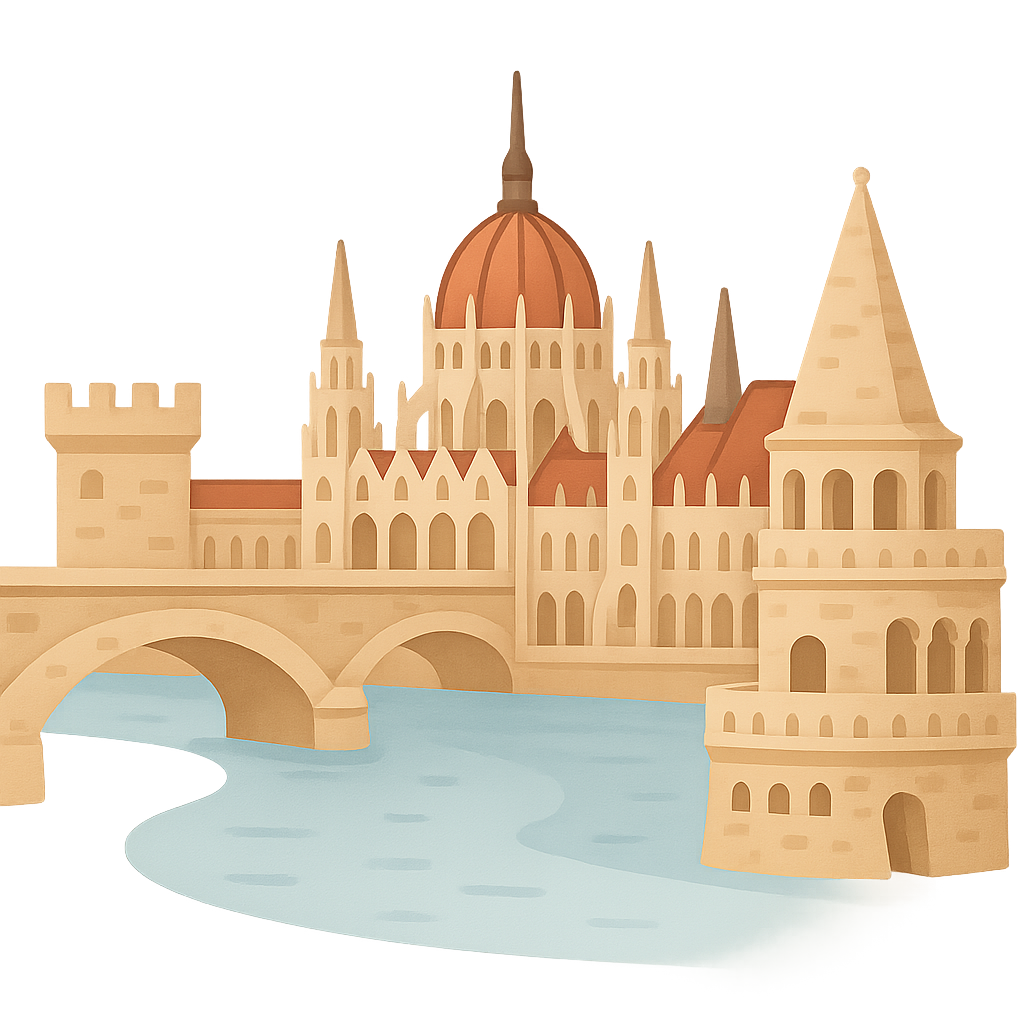
The River of Time
My life begins as a whisper in a deep, green forest. In a corner of Germany known as the Black Forest, where sunlight dapples through ancient trees and moss carpets the ground, I am born. At first, I am just a tiny spring, a trickle of cool, clear water bubbling up from the earth. I am playful, giggling over smooth stones and winding around the roots of giant firs. But soon, another stream joins me, and then another. We dance together, growing stronger and wider with every meeting. I begin my long journey eastward, a silver ribbon stretching across the land. I don't know it yet, but my path will lead me through ten different countries, past bustling cities and quiet villages, under grand bridges and beside historic castles. I will gather stories, songs, and secrets as I flow, growing from a playful stream into a mighty, powerful force of nature. I have watched history unfold along my banks for thousands of years. I am the Danube River.
My memory stretches back to a time of eagles and empires. Long ago, the powerful Romans arrived at my banks. They saw my wide, flowing waters not just as beautiful, but as a perfect shield. For them, I was a natural wall, a great protector for the northern edge of their vast empire. They called this frontier the 'Danubius Limes.' I remember the rhythmic tramp of sandals as their legions marched along pathways they carved into my shores. I watched them build tall wooden watchtowers and sturdy stone forts to keep watch over their lands. My waters became a busy highway for their supply boats, carrying grain, wine, and soldiers. Great cities that you know today first began as humble Roman camps beside me. Vienna was once their Vindobona, and Budapest was their Aquincum, a bustling town with stone amphitheaters and heated baths. Around the year 105 CE, the great Emperor Trajan decided to build a masterpiece across my waters—a magnificent bridge, the longest of its time. It was a marvel of engineering, a bold statement that showed humanity’s desire to connect, to cross even the widest divides.
As the Roman Empire faded, new kingdoms rose and fell along my shores. The Middle Ages brought towering stone castles built high on the cliffs above me, their flags snapping in the wind. These fortresses were silent witnesses to the clash of great powers, like the mighty Habsburgs of Austria and the ambitious Ottoman Empire from the east. For centuries, my waters were a battleground, reflecting the fire of cannons and the shadows of warships. But I was never just a boundary or a battlefield. I was also a great highway for culture and ideas. I carried barges heavy with spices from the East, fine cloth from the West, and salt from deep within the mountains. More importantly, I carried people: merchants with new goods, scholars with new knowledge, and artists with new visions. In the city of Vienna, a composer named Johann Strauss II was so inspired by my beauty that in 1866, he wrote a piece of music that would make me famous around the world. His waltz, 'The Blue Danube,' captured my flowing, graceful spirit, and its melody became a song of hope and joy that people still dance to today.
My journey through the 20th century was sometimes filled with sorrow. Twice, great wars swept across Europe, and iron curtains and political walls rose along my banks. These barriers divided people who had been my neighbors for generations, turning me into a line of separation instead of a path of connection. It was a sad time, and my waters flowed heavily with the weight of division. But just as I have always done, I kept flowing, waiting for the world to heal. After the conflicts ended, I became a symbol of a new beginning, a waterway that could bring a divided continent back together. On September 25th, 1992, a dream that was centuries old finally came true. The Rhine-Main-Danube Canal was completed, a man-made channel that connected me to other great rivers and, for the first time, created an unbroken water corridor from the North Sea all the way to the Black Sea. Today, I work hard for the people of Europe. My current helps generate clean electricity, my wetlands provide a precious home for countless birds and fish, and my scenic beauty brings joy to travelers who cruise my waters or cycle along my paths.
I have seen empires rise from dust and return to it. I have watched cities grow from tiny camps into glittering capitals. I have carried the burdens of war and the melodies of peace. Through it all, my flow has remained constant, a steady pulse in the heart of Europe. My purpose has always been to connect—to unite different landscapes, diverse cultures, and thriving economies. I link the mountains to the sea, the past to the present, and the people of ten nations to one another. So the next time you see a river, listen closely. It has stories to tell, just like I do. Cherish these waterways, for they are the lifeblood of our world, and remember that my journey, like the great story of history itself, is always flowing onward, toward a new horizon.
Activities
Take a Quiz
Test what you learned with a fun quiz!
Get creative with colors!
Print a coloring book page of this topic.











 Free for Educators