

 English

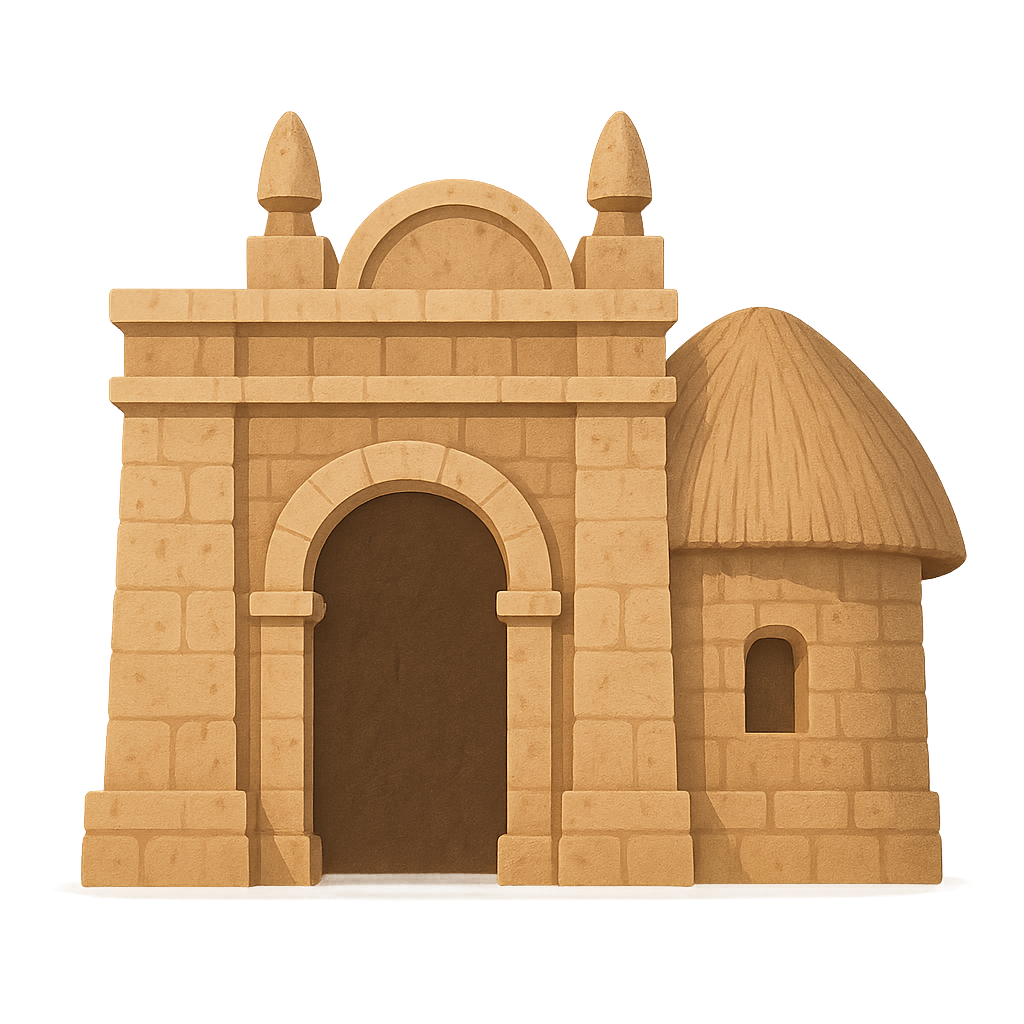
Kenya: The Cradle of Humankind's Story
Feel the warm sun on the endless savanna, where acacia trees stand like patient sentinels. Imagine the crisp, cool air on the snow-dusted peaks of my highest mountain, Kirinyaga, or Mount Kenya. Breathe in the salty scent carried on the breeze from the vast Indian Ocean. A great tear runs through my land, a magnificent, ancient scar carved into the earth over millions of years, known as the Great Rift Valley. It is here, in this valley, that the story of humanity began. I am Kenya, and I am proud to be called the 'Cradle of Humankind.' For it was on my soil, long before cities were built or flags were flown, that the very first people walked. Their footsteps, preserved in time, are part of my deepest memory. For centuries, this was a secret I kept. Then, in the 20th century, scientists began to uncover my secrets. A team led by the paleoanthropologist Richard Leakey made an incredible discovery in 1984 near the shores of my beautiful Lake Turkana. They found the nearly complete skeleton of a young boy who lived over 1.5 million years ago. This discovery, and others like it, helped the world understand that the story of every person on Earth has roots right here, in my ancient, fertile ground.
My story is not only one of ancient beginnings but also of movement and meeting. Along my sun-drenched coast, a new chapter unfolded. Graceful wooden ships called dhows, with their triangular sails full of monsoon winds, sailed across the ocean. They brought traders from Arabia, Persia, and even as far as India and China. Bustling city-states like Gedi and Lamu rose, filled with the sounds of different languages and the scents of exotic spices, silks, and incense. Ideas were exchanged just as freely as goods, and a vibrant Swahili culture was born, a beautiful blend of African, Arab, and other traditions that still thrives today. Then, a different kind of change arrived. In the late 1890s, a great 'iron snake' began to crawl its way from my coast into the vast interior. This was the Uganda Railway, a monumental feat of engineering that cut through plains and valleys. It connected my port of Mombasa to the lands beyond, but it also changed my world forever. This iron path brought new people, new towns, and new ideas, but it also marked the beginning of a challenging time under British colonial rule, a period when my people’s freedom was limited.
For many decades, the desire for freedom grew in the hearts of my people. They longed to be the masters of their own destiny, to govern themselves, and to see their own flag fly high. This quiet longing grew into a powerful voice that could no longer be silenced. The 1950s were a difficult time, marked by a powerful struggle for freedom known as the Mau Mau Uprising. It was a period of great sacrifice, as my people fought with immense courage for the right to rule their own land. During this time, a wise and determined leader named Jomo Kenyatta emerged. He became a symbol of unity and hope, inspiring people from all of my diverse communities to work together for a common cause. His powerful speeches echoed across my hills and valleys, calling for 'Harambee,' a Swahili word meaning 'pulling together.' Finally, the moment of triumph arrived. On the momentous day of December 12th, 1963, a new flag was raised for the very first time. As it climbed into the sky, a cheer erupted across the land. Its colors told our story: black for the people of Kenya, red for the struggle that had been endured, green for my rich and fertile earth, and white for the peace we all cherished.
Today, my story continues to unfold, blending ancient wisdom with modern dreams. My spirit of endurance is seen in my world-famous marathon runners, whose powerful strides echo the resilience of their ancestors. They are known across the globe for their incredible determination and strength. My heart for nurturing the earth was championed by the inspiring Wangari Maathai. She understood that my future depended on my trees, and she started a movement that encouraged women to plant millions of them. For her incredible work, she was awarded the Nobel Peace Prize on October 8th, 2004, showing the world that one person can make a profound difference. But my innovation doesn't stop there. In my bustling cities, a new energy is buzzing. I have become a leader in technology, earning the nickname the 'Silicon Savannah.' Here, brilliant young minds create apps and solutions that are changing lives across Africa. I am a land where the roar of a lion on the savanna and the tap of a keyboard in a tech hub both tell a story of life and possibility. My story is one of resilience, and it is written anew with every sunrise.
Activities
Take a Quiz
Test what you learned with a fun quiz!
Get creative with colors!
Print a coloring book page of this topic.













 Free for Educators