

 English

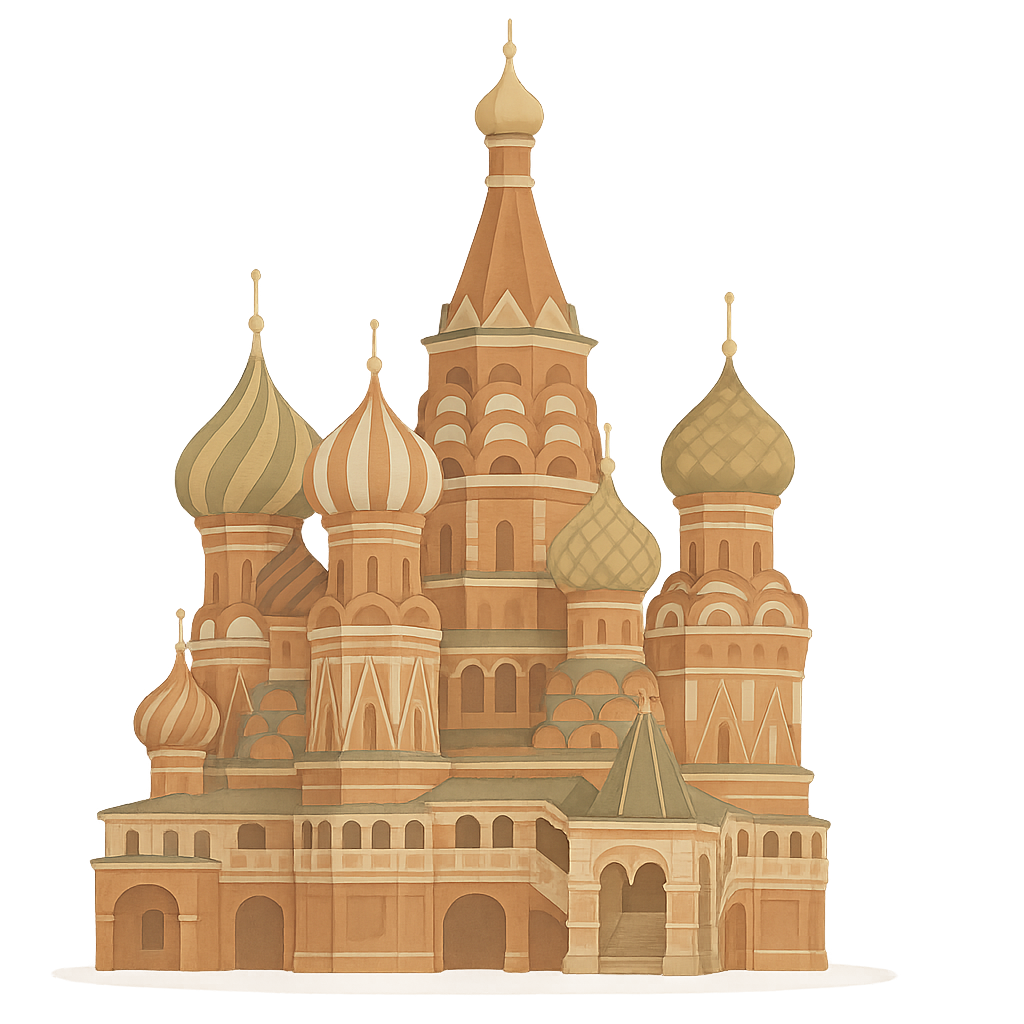
The Giant Who Sleeps Under the Stars
Imagine a place so big it stretches across mountains and through endless forests. In winter, I pull a thick blanket of sparkling white snow up to my chin, and the wind whistles lullabies through my pine trees. The air is so crisp and cold it tickles your nose. At night, when the world is quiet, magical ribbons of green and purple light, the Northern Lights, dance across my sky. I am like a giant sleeping under a diamond-dusted quilt, dreaming of ancient times. I have many names, but you can call me Siberia.
My memories are older than any storybook. I remember a time of great cold, during the Ice Age, when the whole world shivered. Giant, furry elephants with long, curved tusks called woolly mammoths roamed across my plains. They were magnificent, with shaggy coats to keep them warm. Even today, people find their bones and sometimes even their whole bodies perfectly preserved in my frozen ground, like treasures from a long-lost world. It is my special way of holding onto history. I also remember the first people who made their homes in my caves. They huddled around fires for warmth and drew pictures on my stone walls, leaving behind clues about their lives for curious scientists to discover thousands of years later.
For centuries, I was a land of secrets, known only to the animals and the few tribes who understood my ways. But then, brave explorers began to arrive. In the 16th century, a Cossack leader named Yermak Timofeyevich and his men journeyed into my vast lands. They were not looking for gold or jewels, but for something they called ‘soft gold’—the thick, warm furs of my animals, like sables and foxes. These furs were very valuable in faraway lands. To travel, they paddled their boats along my mighty rivers, which acted like great watery roads through my wilderness. Wherever they stopped, they built small wooden forts. These forts were like tiny seeds that would one day grow into big cities, forever changing my landscape.
One of the most amazing things that ever happened to me was the building of a great iron ribbon that stretched all the way across my body. This was the Trans-Siberian Railway. Work began on the 31st of May, 1891, and it was a gigantic task. Thousands of people worked very hard to lay down the metal tracks over mountains, across rivers, and through my thick forests. The goal was to connect my faraway lands with the rest of Russia, making it easier for people and goods to travel. Before the railway, a journey across my lands could take more than a year. Afterward, it took only a few weeks. This iron ribbon brought new towns, new people, and new adventures, stitching my vastness together.
Today, I am no longer just a wild, faraway place. My heart beats with life. I have bustling, modern cities where people live, work, and dream. Scientists come from all over the world to study my wonders, like the incredible Lake Baikal, which is the deepest and oldest lake on the entire planet. And most importantly, I am still home to many different indigenous peoples whose ancestors have lived here for centuries, keeping their unique cultures and traditions alive. So while I may still sleep under a blanket of snow, I am not a quiet giant anymore. I am a land full of history, amazing nature, and endless stories, waiting to be discovered by anyone who is curious enough to listen.
Activities
Take a Quiz
Test what you learned with a fun quiz!
Get creative with colors!
Print a coloring book page of this topic.











 Free for Educators