
 English
 For Schools
 For Homeschool

Echoes of the Sunstone Canyons
Feel the sun warming the deep red rock beneath your feet. Watch as shadows stretch across vast canyons painted in shades of orange, purple, and gold. Silhouettes of giant saguaro cacti stand like silent sentinels against a sky ablaze with the setting sun. For thousands of years, the wind has whispered stories through my mesas and buttes, carrying tales of survival, creativity, and change. These stories are carved into my stone, woven into my fabric, and alive in the hearts of the people who call me home. I am a land where the past is always present, a place of breathtaking beauty and deep, enduring history. I am the American Southwest.
My story begins long before written records, with the echoes of ancient peoples in my canyons. Thousands of years ago, the Ancestral Puebloans made me their home. They were brilliant architects and engineers. Around 900 CE, they built incredible communities like the cliff dwellings at Mesa Verde, tucked securely into the sides of my rock walls, and the great houses of Chaco Canyon, which were massive, multi-story structures aligned with the sun and stars. They were expert farmers who learned to grow corn, beans, and squash in my arid soil, and they were keen astronomers who tracked celestial events to guide their ceremonies and planting seasons. They lived in harmony with my rhythms, understanding that their survival depended on respecting my resources. Over time, their cultures evolved, and their descendants—the Pueblo, Hopi, and Zuni peoples—continued these traditions, building their villages along my rivers and atop my mesas. Later, other peoples arrived, including the nomadic Navajo, who call themselves the Diné, and the resourceful Apache. They brought their own rich cultures, languages, and spiritual beliefs, adding new layers to the human story written upon my landscape.
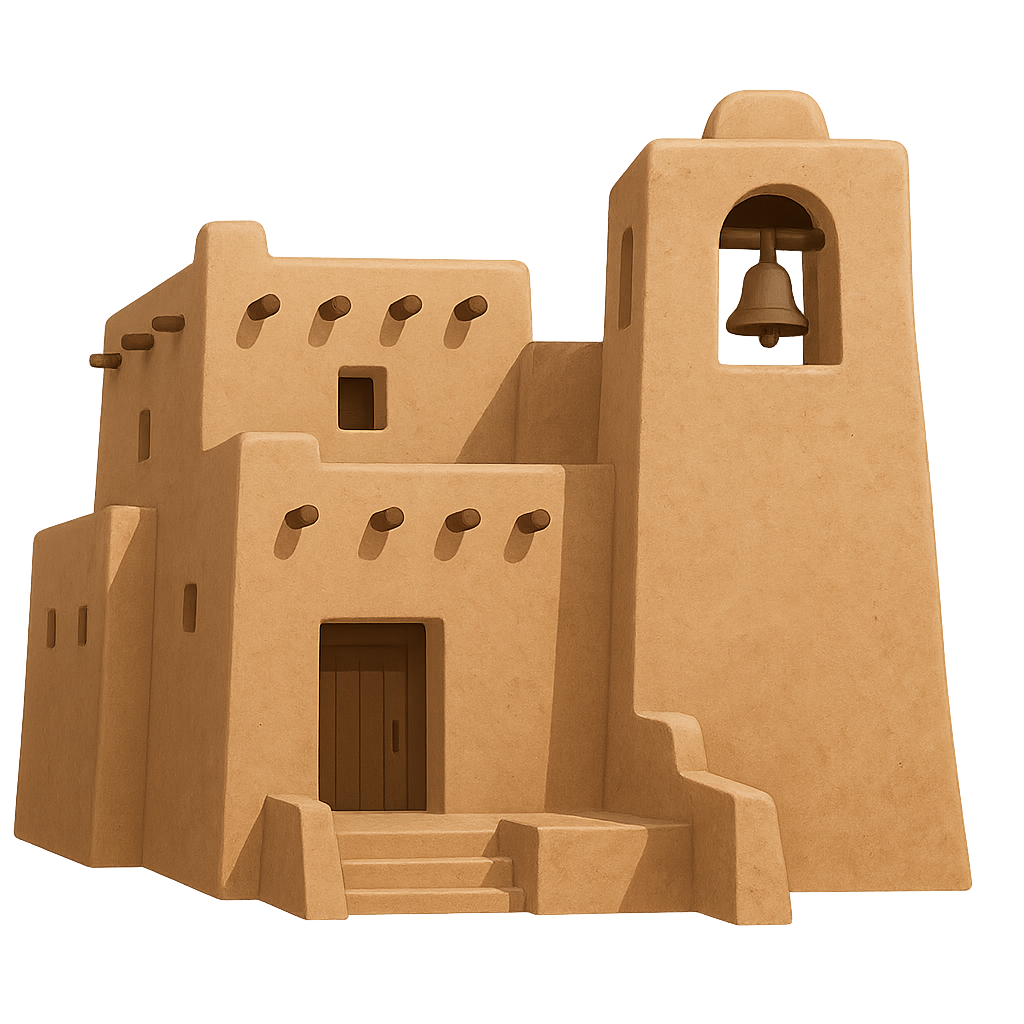
A great shift occurred when new faces appeared on the horizon. In the 1540s, Spanish explorers led by Francisco Vázquez de Coronado marched across my plains, searching for legendary cities of gold they never found. Their arrival marked a meeting of worlds that would change me forever. They brought things I had never seen before: horses that offered new freedom and mobility, sheep whose wool could be woven into vibrant textiles, and new spiritual beliefs that mingled with ancient traditions. This blending of cultures is still visible today in the graceful adobe missions that dot my landscape, their sun-dried brick walls a testament to both Spanish and Pueblo building techniques. Centuries later, in the 1800s, another wave of newcomers arrived with the westward expansion of the United States. Cowboys drove cattle across my open ranges, miners searched for silver and copper in my mountains, and homesteaders sought to build new lives under my vast skies. The world was changing fast, and on November 11th, 1926, a new kind of river was paved across my heart. It was called Route 66, a ribbon of dreams that carried travelers, dreamers, and families westward, connecting the nation and turning my small towns into iconic symbols of the American journey.
Today, I am a land of contrasts, a canvas where the past and future are painted side by side. Vibrant, modern cities like Phoenix and Santa Fe thrive with art, science, and commerce, yet they exist in the shadow of my timeless natural wonders. On February 26th, 1919, one of my most breathtaking features, the Grand Canyon, was protected as a national park, ensuring its majesty would be preserved for all time. My clear, dark night skies, free from the glare of city lights, have made me a perfect home for powerful observatories where astronomers gaze into distant galaxies, continuing the ancient tradition of sky-watching that began here so long ago. My unique light and dramatic landscapes have inspired countless artists, most famously Georgia O'Keeffe, who found her muse in my sculpted hills and sun-bleached bones. I am a living history book, an endless source of inspiration. I teach resilience, the beauty of cultural connection, and the importance of listening to the land. My story is not over; it is still being written by every person who walks my trails and gazes at my horizons, inviting you to come and find your own story within me.
Activities
Take a Quiz
Test what you learned with a fun quiz!
Get creative with colors!
Print a coloring book page of this topic.