

 English

The Story of London
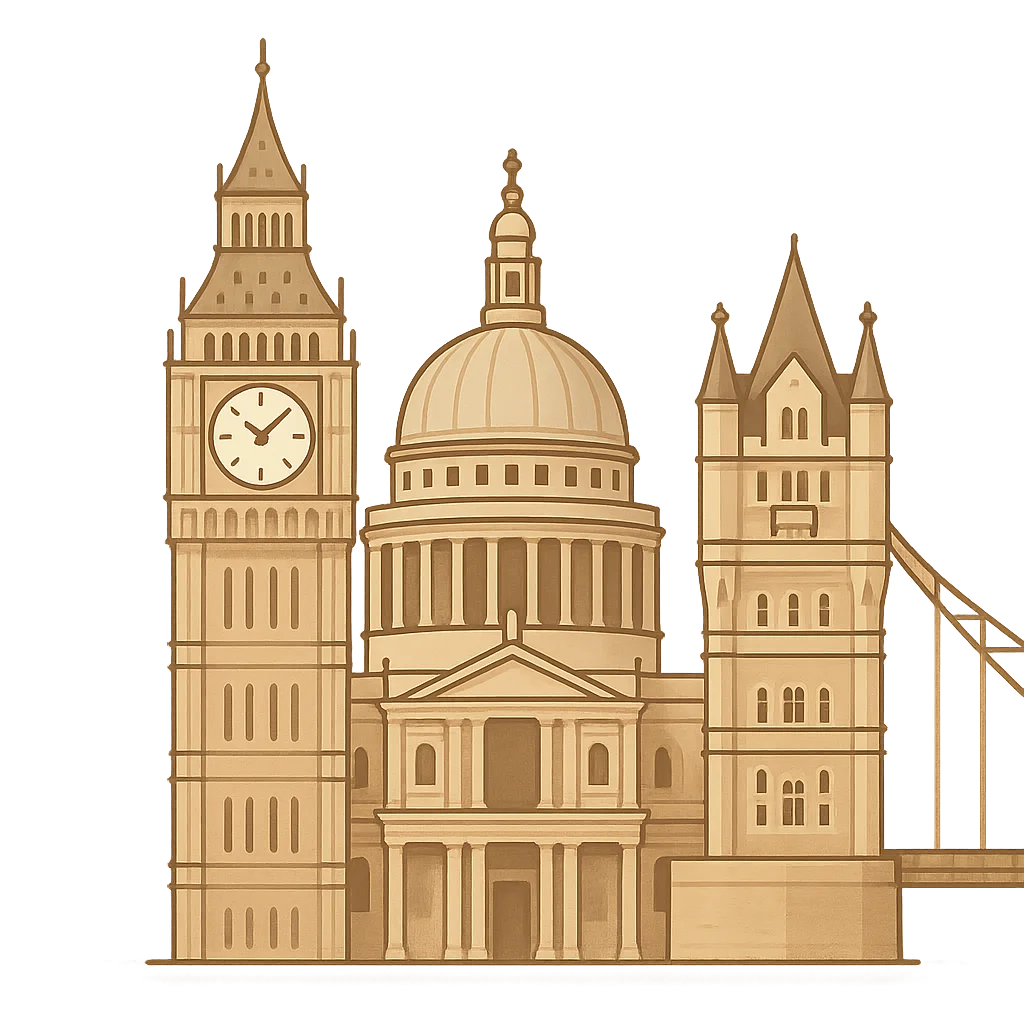
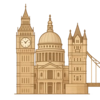
Can you feel the gentle pulse of a river flowing right through my heart? It’s the River Thames, and it has been my companion for centuries. All around me, you can hear the rumble and whoosh of bright red double-decker buses zipping past, and if you listen closely, you’ll hear the deep, friendly chime of a famous clock tower telling everyone the time. Look up, and you’ll see ancient stone castles standing proudly next to shiny glass skyscrapers that seem to touch the clouds. People from every corner of the world walk my streets, and you can hear a beautiful mix of languages in the air, like a wonderful song. I have watched history unfold from my riverbanks for two thousand years. I am London.
My story began a very long time ago, when builders from the mighty Roman Empire sailed across the sea. Around the year 43 AD, they arrived here and saw my wide, gentle river. They were very clever and knew this was the perfect place to build a new town. They called me Londinium. First, they built a sturdy wooden bridge across the Thames so people and carts could cross easily. Then, they created a busy port where their ships could dock, bringing olive oil, pottery, and other treasures from far away. To keep me safe, they built a tall, strong wall all around me. Soon, I became a bustling hub where soldiers, merchants, and families lived and worked, trading goods and sharing stories from across the empire.
Centuries flew by, and I grew into a city of kings and queens. The mighty Tower of London was built on my riverbank, a fortress to watch over me and protect the royal family. It has been a palace, a prison, and even a zoo. During this time, a brilliant writer named William Shakespeare lived here. He filled my brand-new theaters, like the Globe, with incredible plays about love, adventure, and magic that made people laugh and cry. But my story also has a very sad chapter. On September 2nd, 1666, a huge fire started in a little bakery. The Great Fire of London, as it came to be known, swept through my narrow streets, and because most of my buildings were made of wood, much of my old self burned down. It was a time of great loss, but it was also a chance for a new beginning. A clever architect named Sir Christopher Wren helped me grow back stronger and more beautiful than before, with grand buildings made of stone. His greatest creation was St. Paul’s Cathedral, with its magnificent dome that still stands as a symbol of hope.
As time marched on, I entered an age of amazing inventions and big changes, known as the Victorian era. The air buzzed with new ideas. Factories clattered and puffed smoke into the sky as brilliant minds designed incredible machines and planned great projects. One of the most famous was my Tower Bridge, finished in 1894. It’s not just a bridge; it’s like a friendly giant that can lift its two arms to let tall ships sail right through the middle. Even more amazing was what happened beneath my streets. In 1863, the world’s very first underground railway opened here. People called it the Tube, and it rumbled under the ground like a speedy metal worm, carrying people from one side of my growing city to the other. These inventions helped me become bigger and busier than ever before.
Through fires, floods, and wars, I have always found the strength to rebuild and carry on. My heart has always been open, welcoming people from all over the globe who come here to chase their dreams and build new lives. Today, you can see my whole story from a giant, slowly turning wheel called the London Eye. From the top, you can spot the ancient Roman walls, the mighty Tower of London, the proud dome of St. Paul’s, and the busy streets below. I am a city that is always changing but never forgets its past. I am still a place of dreams, where every street corner holds a new adventure, and everyone who visits can add their own special story to mine.
Activities
Take a Quiz
Test what you learned with a fun quiz!
Get creative with colors!
Print a coloring book page of this topic.












 Free for Educators