English
 For Schools
 For Homeschool

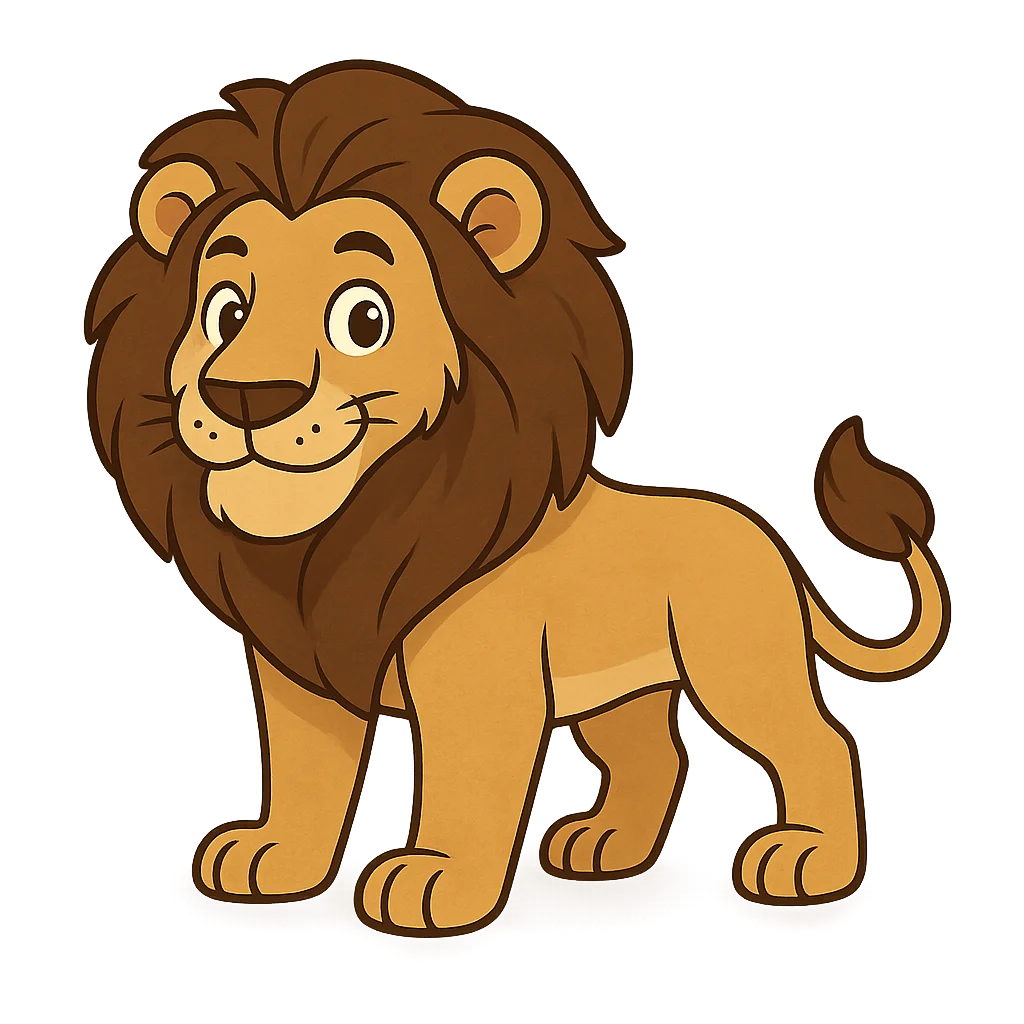
Leo: The Voice of the Savanna
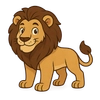
I want to tell you my story. My name is Leo, and I am an African lion, a creature of the sun-drenched plains. I was born on a warm day in the vast savanna of East Africa, a world of golden grass that stretched to the horizon under a brilliant blue sky. For the first six weeks of my life, my world was small and secret. My mother kept me and my siblings hidden away in a dense thicket of tall grass. This secluded den was our sanctuary, protecting us from the curious noses of wandering hyenas and the sharp eyes of eagles soaring above. We were tiny and helpless, completely dependent on her warmth and the rich milk she provided. When we were finally strong enough to stumble confidently on our own paws, she led us out into the open to meet our family—our pride. It was an overwhelming and amazing sight. There were my aunts, their fur the same tawny color as my mother's, and my cousins, who were just as playful and curious as I was. Towering over us all was the powerful male with a magnificent dark mane that framed his face like a storm cloud. He was our protector, his presence a shield for the entire family. Life in the pride was a world of warmth, safety, and constant lessons. We were a close-knit family, and I quickly learned that the lionesses worked together seamlessly, raising all the cubs as one. If my mother went to hunt, an aunt would watch over me. This communal upbringing meant I was never alone and always cared for.
Growing up on the savanna was an education in survival, and every day was filled with new lessons. My brothers and I would spend our days in what looked like endless games. We would stalk each other through the grass, practice our pounces on our mother’s twitching tail, and tumble head over paws in mock battles. It seemed like just fun, but every crouch, leap, and playful bite was serious practice. We were honing the essential skills we would one day need to become successful hunters and providers for our own families. My most important teachers were my mother and the other lionesses. I would watch them for hours as they prepared for a hunt, their focus absolute and their movements filled with a powerful grace. They were masters of teamwork and strategy. I saw them fan out, using the wind and terrain to their advantage as they stalked herds of migrating wildebeest and striped zebra. They taught us how to read the herd, to identify the young or weak, and to anticipate their movements. With silent paws and perfect coordination, they would close in, each lioness knowing her part without a single sound passing between them. From them, I learned that a hunt was not about brute force, but about patience and intelligent planning. We learned that a successful hunt feeds the entire pride, with lionesses primarily responsible for hunting and males defending the territory; cubs benefit from the communal care and feeding. In the early 1990s, the savanna was still expansive, but lion populations were already declining due to habitat loss and human activities. But even then, I could sense that the world around our territory was changing, and that our ancient way of life was facing new and unfamiliar pressures.
As I grew from a playful cub into a young adult, my body transformed. The most noticeable change was my mane. It started as a small, fuzzy tuft on my head and neck, but as I matured, it slowly grew into a thick, impressive collar that framed my face. A dark, full mane is a sign of a lion's strength and health, an important signal to both rivals and potential mates. But my roar… that was my true voice, the sound of my power taking its final form. When I was small, my attempts at roaring came out as little more than a squeak, which often made my siblings tumble over with amusement. But by the time I was two years old, that squeak had deepened into a thunderous sound that could travel for 8 kilometers across the open plains. A roar isn't just noise; it's a message, a declaration to the world. It tells other lions, 'This is my territory, and I am here to defend it.'. It is also our way of connecting with each other over long distances, a vocal map that helps me find my pride members when we get separated by a hunt or a storm. Around this same age, my time with my birth pride was coming to an end. It was time for me and my brothers to venture out on our own. We formed a small group, a coalition, relying on each other for strength and support as we set off to face the world, find a territory, and establish a pride of our own.
Life on the savanna is a delicate balance of beauty and peril, and it is not without its challenges. As a cub, my biggest fear was the cackling call of hyenas in the night, a constant reminder that I had to stay close to the protection of the pride. But as I got older, I learned about a much greater and more complex threat. The world of humans was expanding, pushing into the wild lands that had been ours for generations. During the 20th century, my ancestors were numerous, with a population of over 200,000 lions roaming across Africa. By the time I was a mature lion in the late 1990s, I saw firsthand how our territories were shrinking. Grasslands were being converted into farms, and villages grew where we once hunted. This led to something scientists call human-wildlife conflict. With less space and fewer wild prey, it became harder for lions to find food and safe places to roam, sometimes leading to dangerous encounters. The pressure on our species grew with each passing year. By the year 2015, scientists at the International Union for Conservation of Nature, or IUCN, officially classified my species as 'Vulnerable.'. This designation was a warning to the world, meaning we needed help to ensure that the African lion would not disappear forever from the plains.
My life as a wild lion is a challenging one, and in the wild, we typically live for about 10 to 14 years. But my story and my impact on this land don't end there. I am an apex predator, which means I am at the top of the food chain, and with that position comes a great responsibility. By hunting animals like wildebeest and zebra, I do more than just feed my pride; I help keep their populations strong and healthy. I ensure their numbers don't grow so large that they eat all the grass, which would devastate the entire landscape. This delicate balance keeps the savanna ecosystem thriving. We are known as a keystone species, which means that many other plants and animals in our environment depend on us for the health of our shared home. Today, estimates of the wild African lion population range from approximately 13,000 to 25,000 individuals. Our numbers are small, but many dedicated people are working hard to protect our homes and create safe corridors for us to roam. They work to ensure that the roar of the African lion will echo across the savanna for generations to come. My legacy is in every blade of grass I help protect and every healthy herd that roams these magnificent plains.
Activities
Take a Quiz
Test what you learned with a fun quiz!
Get creative with colors!
Print a coloring book page of this topic.