English

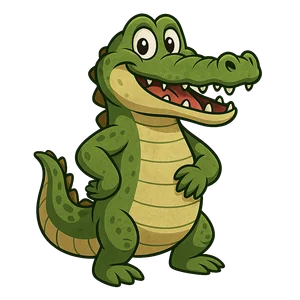
Nile Crocodile
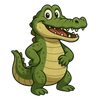
The Nile crocodile is a large crocodilian native to freshwater habitats in Africa.
Reads at Grades 3–5 Listens at Grades 1–5
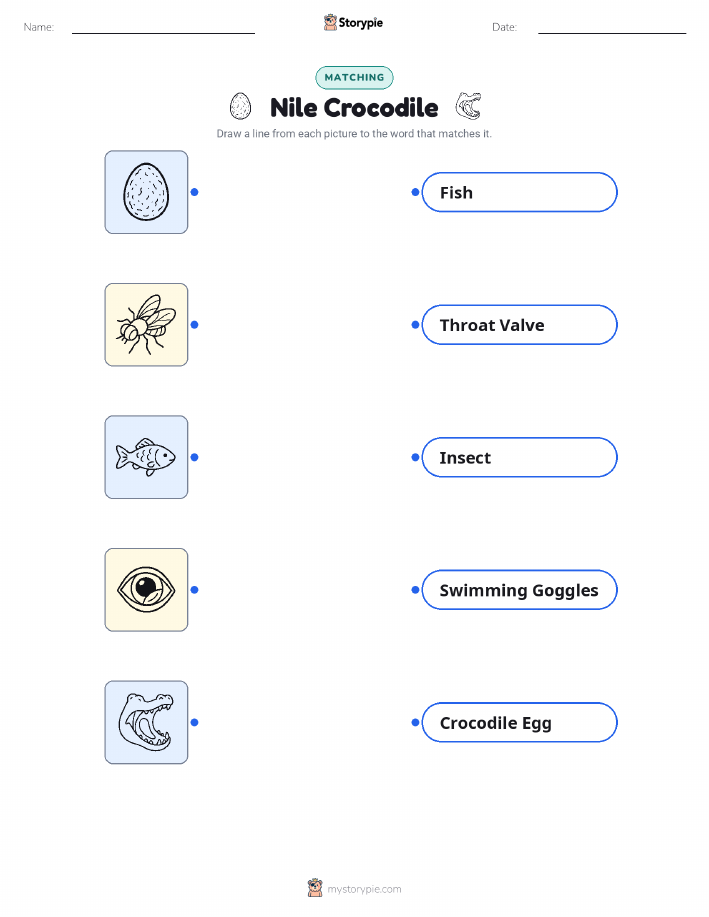
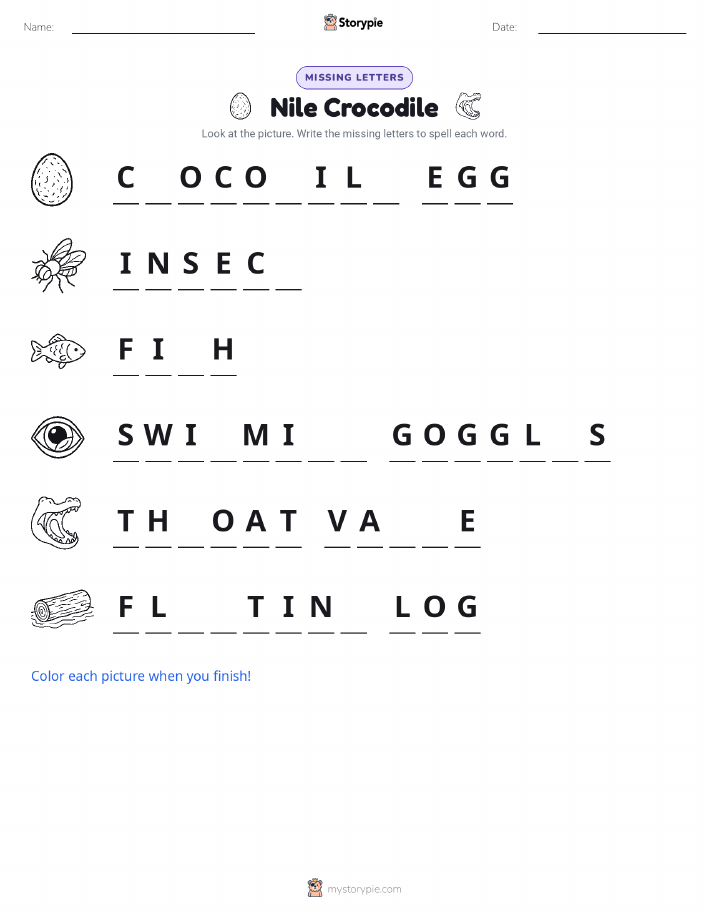
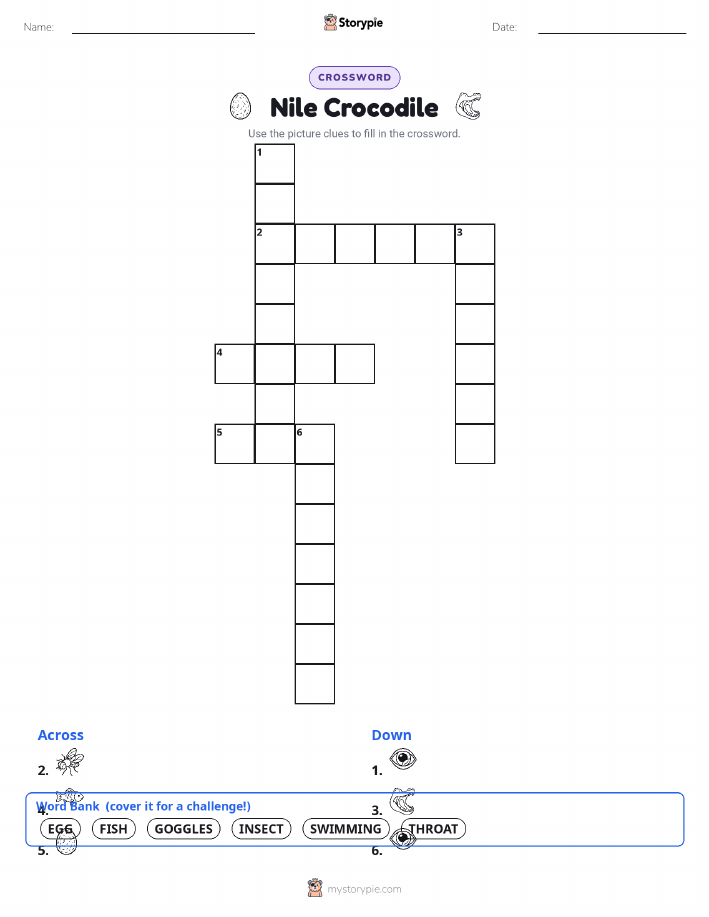
Print & create
Answer keys·No prep·Free with an account
28 worksheets · answer keys · full story · quiz · Ages 8-10 · CEFR B1
Plus adds 244,000+ more stories in 27 languages, audio for every one, and printables for all of them.
Just want Nile Crocodile?
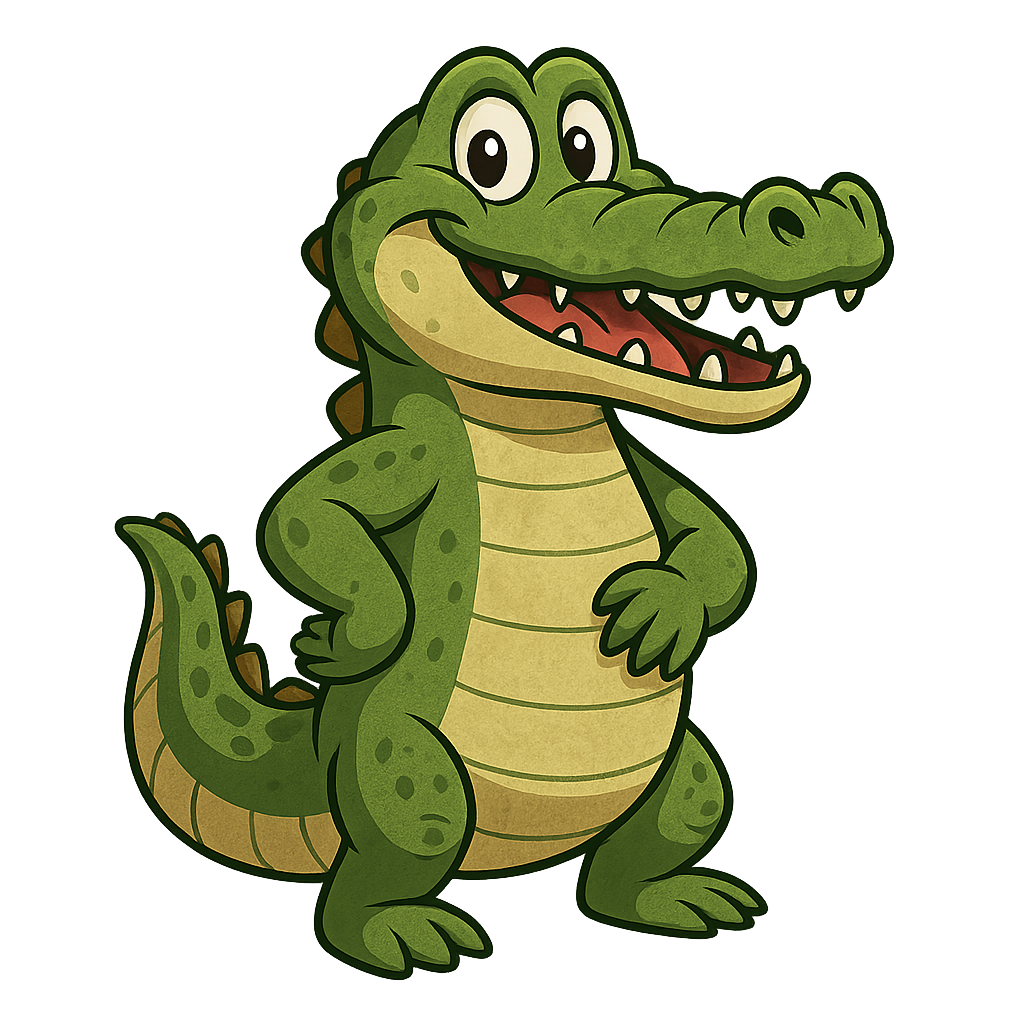
Hello, my name is Sobek, and I am a Nile Crocodile. My story begins on a warm, sandy riverbank in Africa, tucked inside a leathery egg. I remember the moment the shell cracked open. The sun felt warm on my scales for the very first time. I wasn't alone; dozens of my brothers and sisters were hatching all around me. Soon, we heard a low, rumbling sound. It was our mother's call. She was enormous, with powerful jaws that could snap a tree branch. But she was so gentle with us. One by one, she carefully scooped us into her mouth. It was dark and warm inside, but I felt completely safe. She carried us down to the cool, flowing river and let us swim out. That river would be my home, my hunting ground, and the place where my own story would unfold.
My family has one of the oldest stories on Earth. We crocodiles have been living here for millions of years, long before humans built their first cities. My ancestors saw dinosaurs come and go. Thousands of years ago, around 2000 BCE, people who lived along the Nile River in Egypt looked at us with great respect. They knew we were powerful and connected to the life-giving water of the river. They honored a crocodile god they named Sobek, who they believed brought fertility to the land, helping their crops grow strong. They saw my ancestors as symbols of strength and protection. To show their respect, they would sometimes mummify crocodiles, wrapping them carefully in linen just as they did for their most important leaders. It was a way of remembering our power forever.
A Nile Crocodile's Tale
Hello, my name is Sobek, and I am a Nile Crocodile. My story begins on a warm, sandy riverbank in Africa, tucked inside a leathery egg. I remember the moment the shell cracked open. The sun felt warm on my scales for the very first time. I wasn't alone; dozens of my brothers and sisters were hatching all around me. Soon, we heard a low, rumbling sound. It was our mother's call. She was enormous, with powerful jaws that could snap a tree branch. But she was so gentle with us. One by one, she carefully scooped us into her mouth. It was dark and warm inside, but I felt completely safe. She carried us down to the cool, flowing river and let us swim out. That river would be my home, my hunting ground, and the place where my own story would unfold.
My family has one of the oldest stories on Earth. We crocodiles have been living here for millions of years, long before humans built their first cities. My ancestors saw dinosaurs come and go. Thousands of years ago, around 2000 BCE, people who lived along the Nile River in Egypt looked at us with great respect. They knew we were powerful and connected to the life-giving water of the river. They honored a crocodile god they named Sobek, who they believed brought fertility to the land, helping their crops grow strong. They saw my ancestors as symbols of strength and protection. To show their respect, they would sometimes mummify crocodiles, wrapping them carefully in linen just as they did for their most important leaders. It was a way of remembering our power forever.
As I grew, I learned the art of being a patient hunter. I am an apex predator, which means I am at the very top of the food chain in my river home. Nature gave me special tools for this job. I have a clear third eyelid that slides over my eyes like a pair of goggles, allowing me to see perfectly underwater while I hunt. My body is designed for stealth. I can lie so still in the water that only my eyes and nostrils are visible, making me look like a floating log. From this spot, I wait. I can wait for hours, or even days, for the right moment. I watch herds of animals, like wildebeest, come to the river's edge for a drink. My greatest strength is my bite. The muscles in my jaw are so powerful that I have the strongest bite of any animal in the world. When an animal comes close enough, I can lunge with incredible speed. This is how I survive and keep the balance of my world.
But my life has not always been peaceful. There was a time when my kind faced a great danger. During the mid-20th century, from the 1940s through the 1960s, humans began to hunt us. They wanted our skin because it is tough and has a beautiful pattern. So many of us were hunted that our numbers dropped very low. The rivers grew quiet without our presence, and the future for all Nile crocodiles felt very uncertain. It was a very difficult time for my family, and it seemed like we might disappear from the rivers forever.
Just when things seemed their darkest, people started to understand how important we are. They realized that the river wasn't as healthy without us. On March 3rd, 1973, many countries signed an agreement called CITES to protect animals like me from being over-hunted. Now, I am known as a 'keystone species.' This means that my role in the river is like the keystone in an arch—if you remove it, everything else can fall apart. By hunting certain animals, I keep their populations from getting too large, which helps protect the plants they eat. This keeps the whole river ecosystem in balance. I help all the other plants and animals thrive. Because we Nile crocodiles can live for a very long time, I will continue my important job as a guardian of the river for many years to come.
Wow facts
About
The Nile crocodile is a large crocodilian native to freshwater habitats in Africa. It is an apex predator, known for its aggressive nature and powerful bite, playing a crucial role in its ecosystem.
Take a Quiz
Question 1 of 5
In the story, the crocodile mentions being an 'apex predator.' What does the term 'apex predator' mean?
Explore next


Want to do even more?
Go beyond exploring. Unlock tools that turn every story into real learning.

Storypie Plus for families
Full stories, quizzes, and printables. Nights and car rides, sorted.
- Unlimited audio stories
- Create Mode: your child stars in the story
- Offline downloads
- Printable worksheets & coloring pages

Why Storypie for Schools
Students engaged. Prep in seconds. Evenings back to you.
- Worksheets & Quizzes
- Classroom Management
- Formative Assessment
- Custom Curriculum & Lesson Plans
- 27 Languages

Why Storypie for Homeschool
Curriculum done. They'll ask for more. Hours back in your day.
- Worksheet Generator
- First-Person Audio Stories
- Built-in Comprehension Quizzes
- Custom Curriculum & Lesson Plans
- Print & Go Activities