English
 For Schools
 For Homeschool

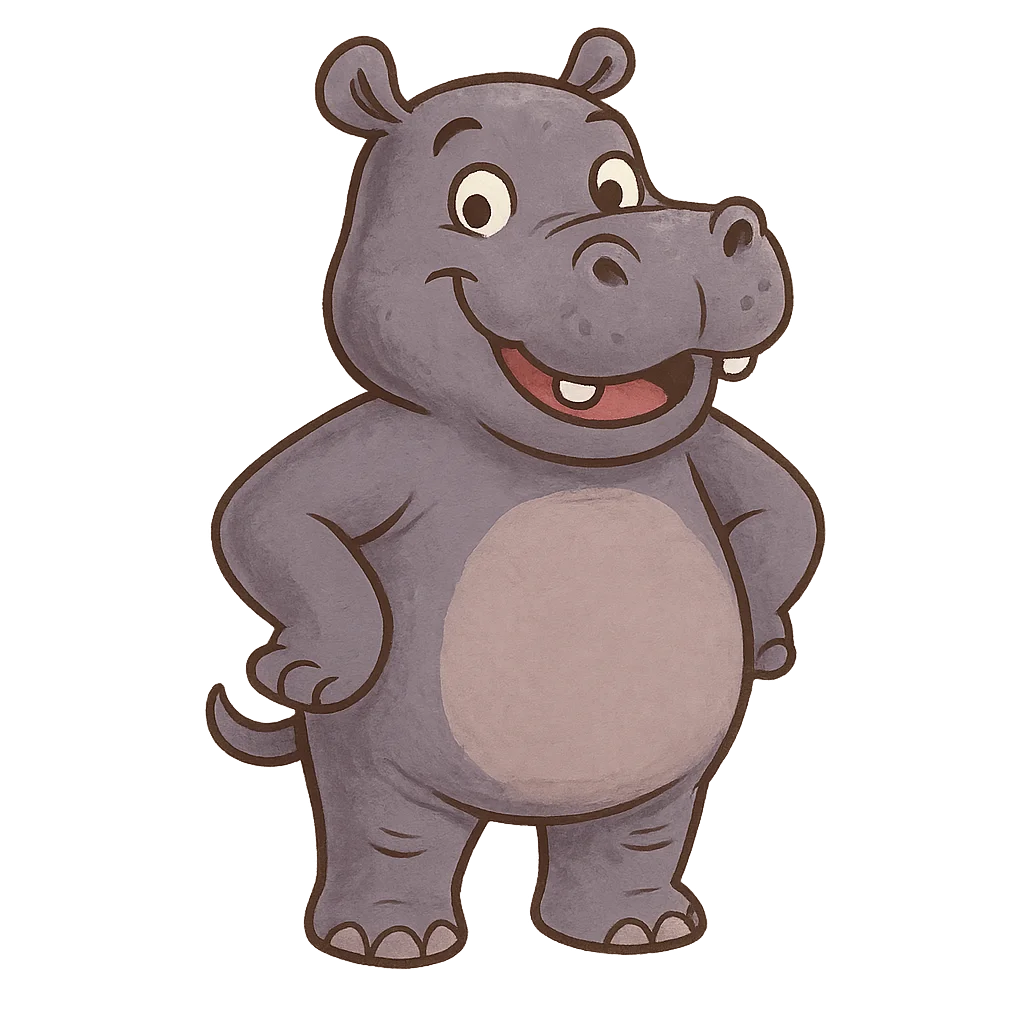
The River Horse's Tale
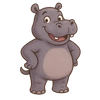
Hello! My name might sound like a mouthful, but it has a wonderful meaning. I am a Hippopotamus, a name that comes from ancient Greek and means ‘river horse.’ It’s a fitting name, because the rivers, lakes, and wetlands of sub-Saharan Africa are my home. If you were to see me, you’d first notice my large, barrel-shaped body. I am one of the largest land mammals, and my body is perfectly suited for my life in the water. My skin is another one of my special features. It doesn't have much hair, but it produces a special reddish, oily fluid that acts like a natural sunscreen, protecting me from the powerful African sun. I'm a social animal, and I live with my family in a group, which can be called a pod or a bloat. We spend our days together, resting and socializing in the cool, comforting water, creating a community right here in the river.
My life follows the rhythm of the sun. I am semi-aquatic, meaning I spend part of my life on land and part in the water. During the hot daytime hours, you will almost always find me submerged in a river or lake. This is the best way for me to stay cool and protect my sensitive skin. My body is designed for this lifestyle. My eyes, ears, and nostrils are all located high on my head, so I can see, hear, and breathe while the rest of my body is hidden beneath the surface. This allows me to stay aware of my surroundings without having to leave the water. I am an excellent swimmer and can hold my breath for up to five minutes at a time. I’m so comfortable in the water that I can even sleep while I’m submerged, automatically rising to the surface for a breath without waking up. Long ago, in 1758, a famous scientist named Carl Linnaeus officially recognized my kind and gave us our scientific name, Hippopotamus amphibius, which perfectly describes my dual life in water and on land. But when the sun sets and the air cools, my routine changes completely. I become a nocturnal grazer, leaving the safety of the water to find food. I can travel long distances, sometimes several miles in a single night, to find the best patches of short grass to eat.
I may just seem like a large animal that enjoys the water, but I have a very important job in my environment. In fact, scientists consider my species to be a 'keystone species.' This means that my presence has a major effect on the entire ecosystem, and many other plants and animals depend on me. My nightly grazing helps maintain the landscape. The areas where I regularly eat are sometimes called 'hippo lawns' because I keep the grass short, which affects what other plants can grow there. My role doesn't stop on land. When I return to the water, I bring nutrients with me. My dung acts as a natural fertilizer for the river, providing essential food for algae and aquatic plants. These, in turn, become food for fish and countless other small creatures, supporting the entire aquatic food web. I also have a unique way of communicating with my pod. I can produce a very loud call known as a 'wheeze-honk.' This sound is powerful enough to travel for long distances over the water, letting other hippos know where I am.
Despite my size and strength, my kind faces serious challenges in the modern world. One of the biggest threats is habitat loss. As human populations grow, more land is needed for farming and building towns, which shrinks the rivers and grasslands I need to survive. When my home gets smaller, I am sometimes forced into areas where people live, which can lead to conflict between us. Another serious danger is poaching. Some people hunt hippos illegally for our large canine teeth, which are made of ivory, and also for our meat. These combined threats have caused our numbers to decline. In recognition of these dangers, an organization called the International Union for Conservation of Nature (IUCN) officially listed my species as 'Vulnerable' in May of 2006. This listing was a warning to the world that we need help to ensure our survival for future generations.
My story isn't over yet. I am a resilient river horse, and my role as an engineer of the African landscape is more important than ever. By creating grazing lawns and fertilizing the rivers, I help keep my ecosystem balanced and healthy. Protecting my home in the rivers and wetlands also means protecting the countless other animals that share it with me. We hippos can live for 40 to 50 years, and throughout our long lives, we continue to shape the world around us. My future, and the future of my habitat, depends on people understanding our importance and working to ensure we can share this world together for a long, long time.
Activities
Take a Quiz
Test what you learned with a fun quiz!
Get creative with colors!
Print a coloring book page of this topic.