

 English

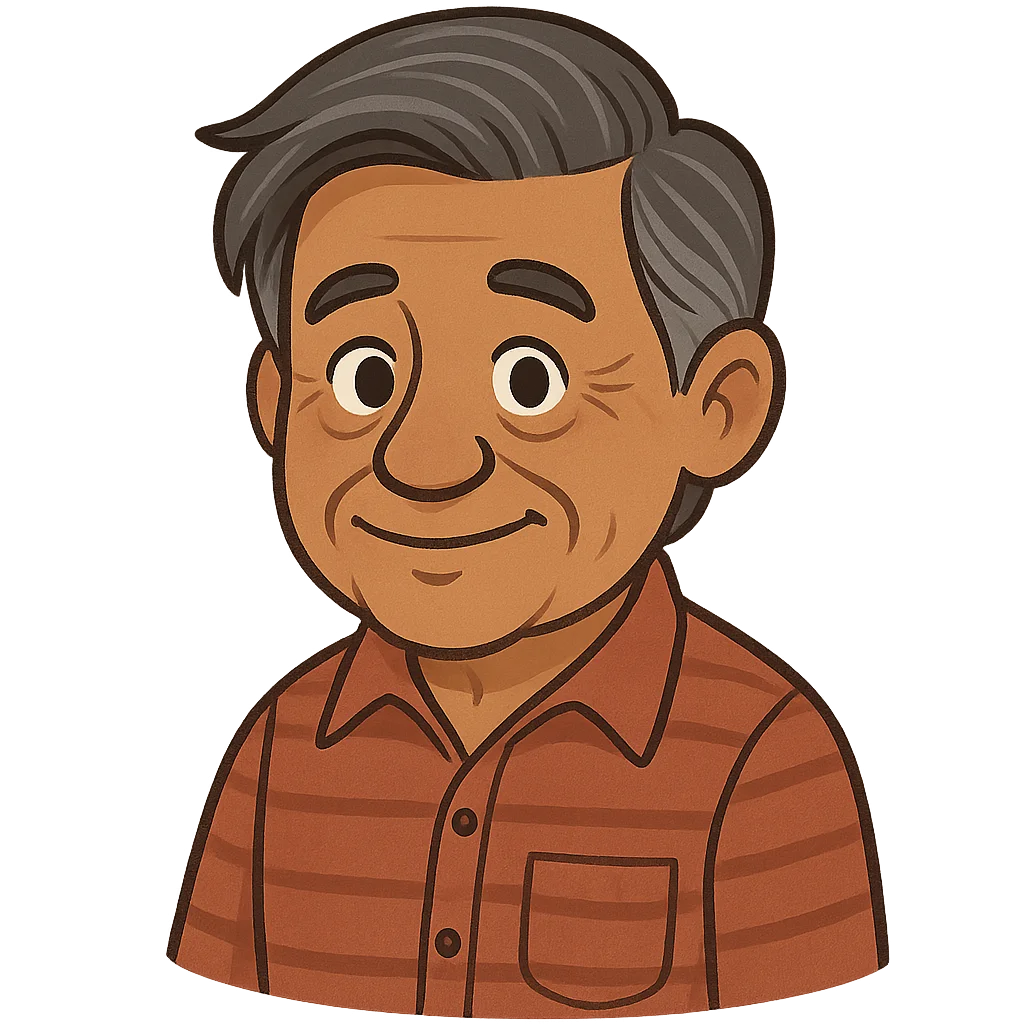
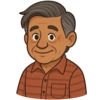
Cesar Chavez: A Voice for the Fields
My name is Cesar Chavez, and I learned from a young age that a single voice can be quiet, but many voices joined together can change the world. My story begins on a small family farm near Yuma, Arizona, where I was born on March 31st, 1927. Those early years were filled with the warmth of family and the smell of the earth. I loved our adobe home, which my grandfather had built, and the land that gave us everything we needed. We weren't wealthy, but we had each other, and we had our home. I thought life would always be that simple and good. But in the 1930s, a dark cloud called the Great Depression settled over America. It was a time of great struggle for everyone, and it hit my family hard. A terrible drought came, and like so many others, we lost our farm—the place that held all our memories and dreams. In 1937, my family packed our few belongings into our old car and headed west to California, becoming migrant farm workers. The life we found there was nothing like our life in Arizona. We moved constantly, following the harvests from one crop to the next. We lived in crowded, run-down shacks, sometimes without electricity or running water. The work was grueling, with long hours under the hot sun for pay that was barely enough to survive. Worst of all was the prejudice. Because we were Mexican American, many people treated us as if we were less than human. We were made to feel invisible, as if our hard work and our hopes didn't matter. This feeling of injustice planted a seed in my heart that would one day grow into a movement.
Attending school was nearly impossible. I went to more than 30 different schools, and I was often punished for speaking Spanish. The constant moving and the need to work in the fields meant my formal education ended after the 8th grade. But my real education was happening in the fields, where I saw firsthand the struggles of my people. After a brief time serving in the U.S. Navy starting in 1946, I returned to the fields and married my wife, Helen Fabela, in 1948. We started our family, and I knew I had to do something to create a better world for my children. The turning point came in 1952 when I met a man named Fred Ross. He was a community organizer who saw the potential in me. Fred taught me that ordinary people could gain power by organizing together. He showed me how to lead meetings, how to register people to vote, and how to give them the confidence to stand up for their rights. For ten years, I worked with him, learning everything I could. But my heart was always with the farm workers. They had no union to protect them, no one to speak for them. In 1962, I knew it was time to dedicate my life to their cause. I spoke with my good friend and fellow activist, the brilliant and determined Dolores Huerta. We shared the same dream. So, on September 30th, 1962, we co-founded the National Farm Workers Association, which would later become the United Farm Workers. Our goal was simple but powerful: to give farm workers the dignity, respect, and fair treatment they had earned through their labor. We wanted to give the invisible a voice.
Our fight, which we called 'La Causa'—The Cause—truly began on September 8th, 1965. Filipino grape pickers in Delano, California, went on strike to demand better wages, and we quickly joined them. This was the start of the famous Delano Grape Strike. From the very beginning, I insisted that our movement be nonviolent. I had been deeply inspired by the teachings of Mahatma Gandhi in India and the powerful example of Dr. Martin Luther King Jr. and the Civil Rights Movement. I knew that violence would only lead to more suffering. Instead, we used peaceful tactics. We organized marches, like the 340-mile pilgrimage from Delano to the state capitol in Sacramento in 1966. We organized boycotts, asking people all over the country to stop buying California grapes until the growers agreed to treat us fairly. To bring attention to our commitment to nonviolence, I even went on long fasts, refusing to eat for weeks at a time. The strike lasted for five long years, but our message of justice resonated across the nation. Finally, in 1970, the grape growers signed historic contracts with our union, recognizing our rights. It was a monumental victory. I continued this work for the rest of my life, fighting for the rights of the poor and forgotten. My journey on this earth ended on April 23rd, 1993, but the spirit of 'La Causa' lives on. It lives on in every person who stands up against injustice. And it lives on in our powerful motto, a reminder of what is possible when people unite for a common good: 'Sí, se puede!'—'Yes, it can be done!'
Activities
Take a Quiz
Test what you learned with a fun quiz!
Get creative with colors!
Print a coloring book page of this topic.












 Free for Educators