English

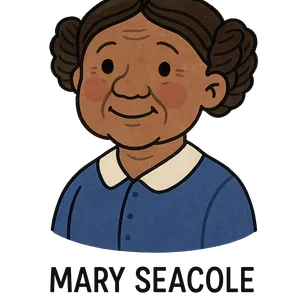
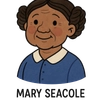
Mary Seacole
Mary Seacole was a pioneering British-Jamaican nurse, healer…
Reads at Grades 6–8 Listens at Grades 4–8
Print & create
Answer keys·No prep·Free with an account
28 worksheets · answer keys · full story · quiz · Ages 10-12 · CEFR B2
Plus adds 280,000+ more stories in 27 languages, audio for every one, and printables for all of them.
Just want Mary Seacole?
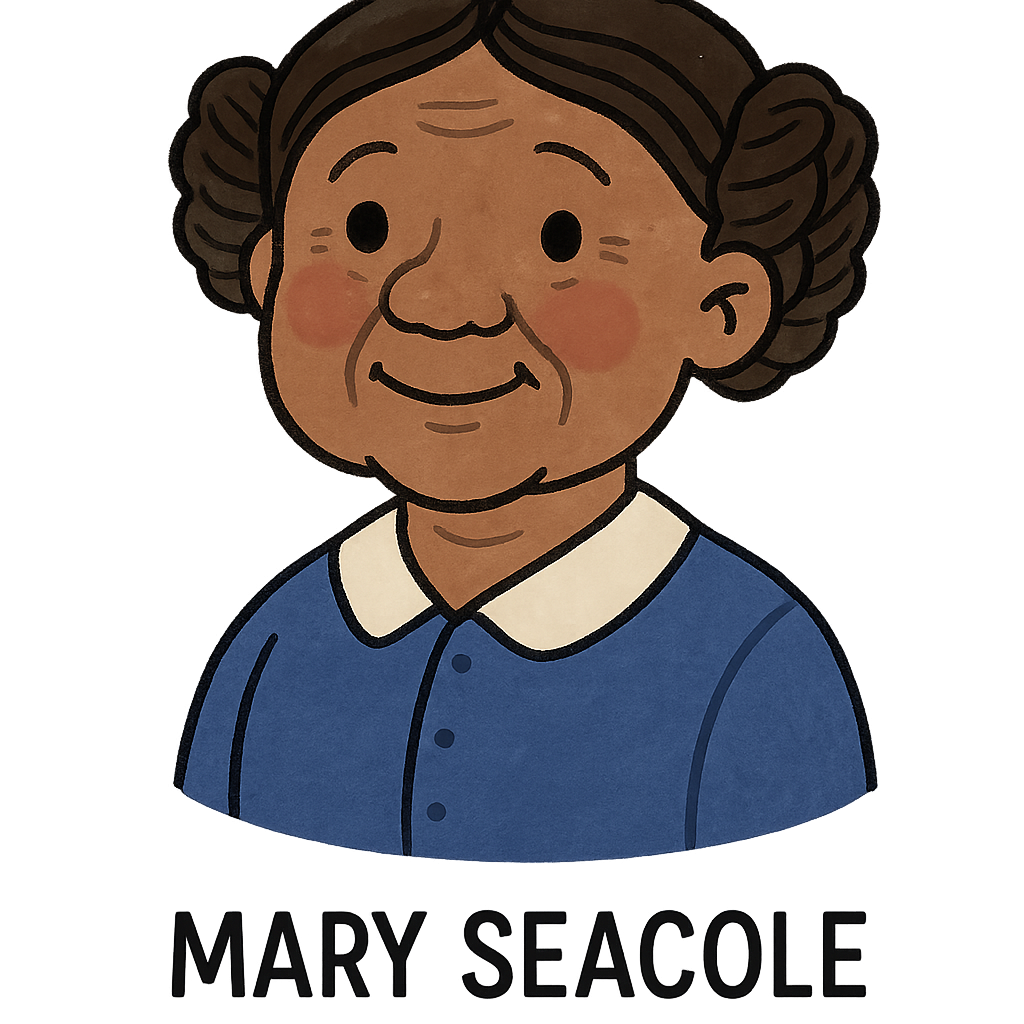
Hello, my name is Mary Seacole, and I want to share my story with you. I was born in 1805 in Kingston, Jamaica, a vibrant island nation in the Caribbean Sea. My father was a Scottish soldier in the British Army, and my mother was a free Jamaican woman who was a gifted healer, often called a 'doctress.' She managed a boarding house where she cared for invalid soldiers and their families. From my earliest days, I was by her side, watching her prepare traditional Jamaican medicines using herbs and natural remedies. I learned so much from her healing hands and compassionate spirit. I was fascinated by the art of medicine, and I practiced my skills on my dolls and pets before I was old enough to help my mother with her patients. It was clear to me, even as a young girl, that my life's purpose was to ease the suffering of others, just as she did.
My heart was filled with an adventurous spirit, and I longed to see the world beyond my island home. As a young woman, I traveled extensively, visiting other Caribbean islands like Cuba and Haiti, as well as Central American countries like Panama. I even sailed across the Atlantic Ocean to England. These journeys were not just for adventure; they were my education. I learned about different cultures, diseases, and medical practices. In 1836, I married a kind man named Edwin Horatio Seacole, but sadly, our life together was brief, as he passed away in 1844. I continued the work my mother had started, and my skills as a nurse were tested severely when a devastating cholera epidemic struck Jamaica around 1850. A year later, in 1851, I faced another cholera outbreak while in Panama. I worked tirelessly, using all the knowledge I had gained from my mother and my travels to treat the sick and save as many lives as I possibly could.
Mary Seacole
Hello, my name is Mary Seacole, and I want to share my story with you. I was born in 1805 in Kingston, Jamaica, a vibrant island nation in the Caribbean Sea. My father was a Scottish soldier in the British Army, and my mother was a free Jamaican woman who was a gifted healer, often called a 'doctress.' She managed a boarding house where she cared for invalid soldiers and their families. From my earliest days, I was by her side, watching her prepare traditional Jamaican medicines using herbs and natural remedies. I learned so much from her healing hands and compassionate spirit. I was fascinated by the art of medicine, and I practiced my skills on my dolls and pets before I was old enough to help my mother with her patients. It was clear to me, even as a young girl, that my life's purpose was to ease the suffering of others, just as she did.
My heart was filled with an adventurous spirit, and I longed to see the world beyond my island home. As a young woman, I traveled extensively, visiting other Caribbean islands like Cuba and Haiti, as well as Central American countries like Panama. I even sailed across the Atlantic Ocean to England. These journeys were not just for adventure; they were my education. I learned about different cultures, diseases, and medical practices. In 1836, I married a kind man named Edwin Horatio Seacole, but sadly, our life together was brief, as he passed away in 1844. I continued the work my mother had started, and my skills as a nurse were tested severely when a devastating cholera epidemic struck Jamaica around 1850. A year later, in 1851, I faced another cholera outbreak while in Panama. I worked tirelessly, using all the knowledge I had gained from my mother and my travels to treat the sick and save as many lives as I possibly could.
In 1853, news reached me of a distant conflict, the Crimean War, where British soldiers were fighting alongside French and Turkish allies against Russia. The reports from the front were grim; soldiers were dying not just from their wounds in battle, but from diseases like cholera and dysentery in the cold, unsanitary conditions of the army hospitals. My heart went out to them, and I knew I had to help. With my extensive experience in nursing and treating tropical diseases, I was confident I could make a difference. In 1854, I traveled thousands of miles to London and went directly to the War Office to offer my services. I had hoped to join the group of official nurses being sent to the Crimea under the leadership of Florence Nightingale. However, despite my references and experience, my application was rejected. I was turned away time and again, and I came to believe it was because of the color of my skin. But I would not let prejudice deter me from my duty.
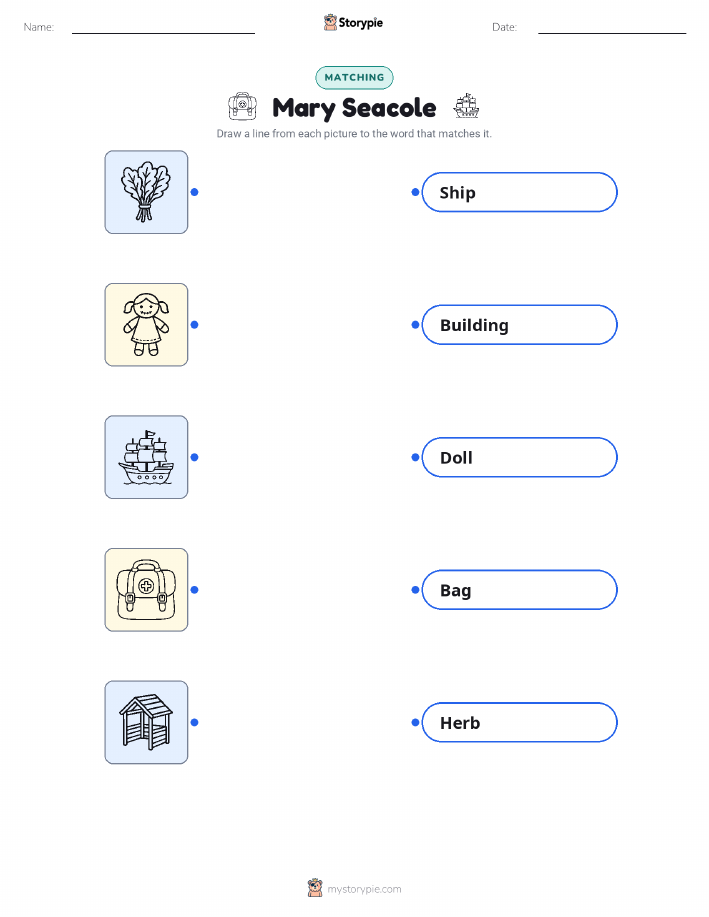
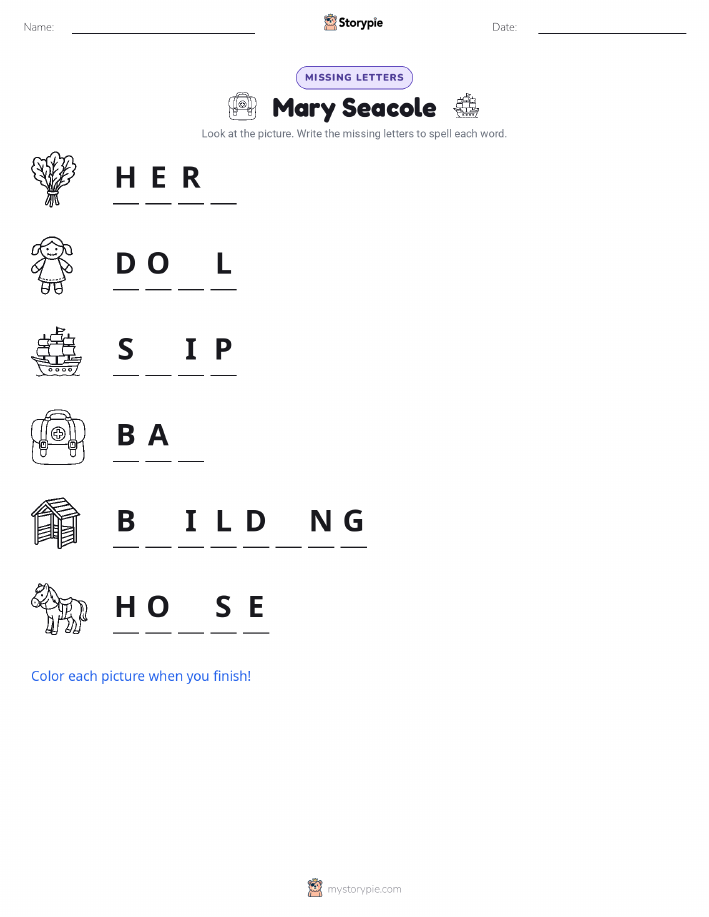
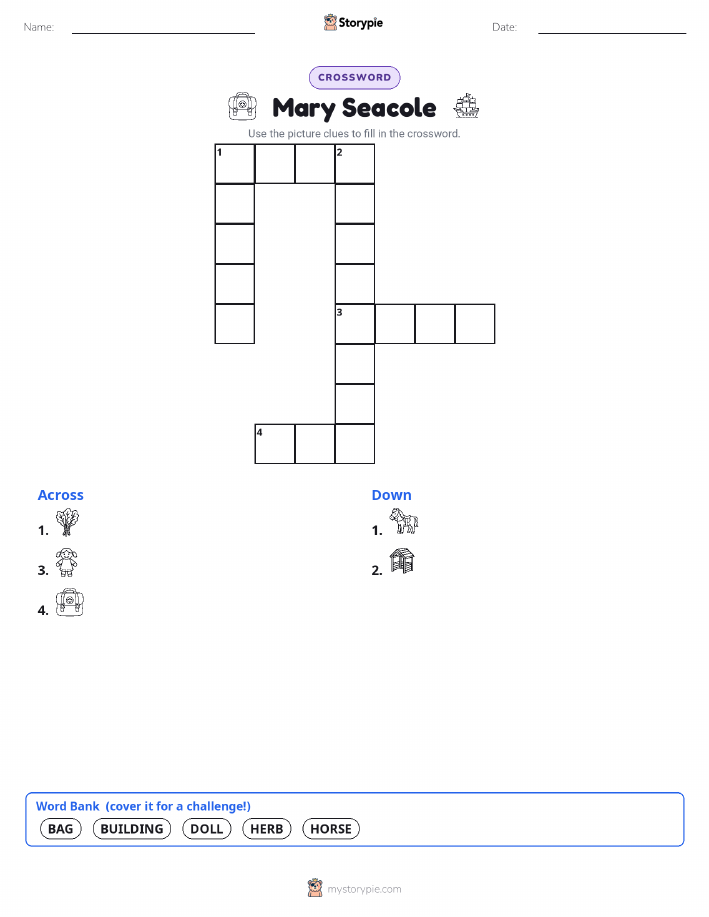
I was determined to reach the soldiers who needed me, so if the government would not send me, I would go myself. I used my own funds to pay for my passage to the Crimea. In 1855, with the help of a relative of my late husband, I established what I called the 'British Hotel' near the town of Balaclava, just a few miles from the front lines of the war. It was not a hotel in the traditional sense, but rather a place of refuge and healing. It was a simple structure made of iron and wood, but inside I provided soldiers with comfortable quarters, warm food, and proper medical attention. I did not wait for the wounded to be brought to me. I would ride my horse directly to the battlefields, often while the fighting was still going on, carrying my medical bags filled with bandages, ointments, and remedies. The soldiers were so comforted by my presence and care that they gave me the affectionate nickname 'Mother Seacole.'
When the war finally ended in 1856, I returned to England. I had used nearly all of my money to build and stock the British Hotel, and I arrived home exhausted and financially ruined. However, the soldiers I had nursed never forgot my kindness and bravery. Many high-ranking officers and ordinary soldiers wrote letters to the newspapers praising my work in the Crimea. They organized fundraising events and festivals to help support me in my time of need. To tell my own story and hopefully earn an income, I decided to write an autobiography. In 1857, my book, 'Wonderful Adventures of Mrs. Seacole in Many Lands,' was published. It was a great success, becoming a bestseller and helping to secure my place in the public's memory.
I lived the rest of my years peacefully in London. I lived to be 75 years old, passing away on May 14th, 1881. For many decades after my death, my story was largely overlooked by historians, and my contributions were almost forgotten. But people eventually rediscovered my book and my incredible life story. Today, I am celebrated as a pioneering nurse and a courageous woman who overcame racial prejudice to care for anyone in need. In 2016, a beautiful statue of me was unveiled in the gardens of St Thomas' Hospital in London, ensuring that my work as a healer and a compassionate human being is remembered. My story shows that determination and kindness can break down any barrier.
Wow facts
About
Mary Seacole was a pioneering British-Jamaican nurse, healer, and businesswoman who set up the 'British Hotel' behind the lines during the Crimean War to provide care for wounded soldiers.
Take a Quiz
Question 1 of 5
What is the main lesson you can learn from Mary Seacole's life story?
Explore next




Want to do even more?
Go beyond exploring. Unlock tools that turn every story into real learning.

Storypie Plus for families
Full stories, quizzes, and printables. Nights and car rides, sorted.
- Unlimited audio stories
- Create Mode: your child stars in the story
- Offline downloads
- Printable worksheets & coloring pages

Why Storypie for Schools
Students engaged. Prep in seconds. Evenings back to you.
- Worksheets & Quizzes
- Classroom Management
- Formative Assessment
- Custom Curriculum & Lesson Plans
- 27 Languages

Why Storypie for Homeschool
Curriculum done. They'll ask for more. Hours back in your day.
- Worksheet Generator
- First-Person Audio Stories
- Built-in Comprehension Quizzes
- Custom Curriculum & Lesson Plans
- Print & Go Activities