

 English

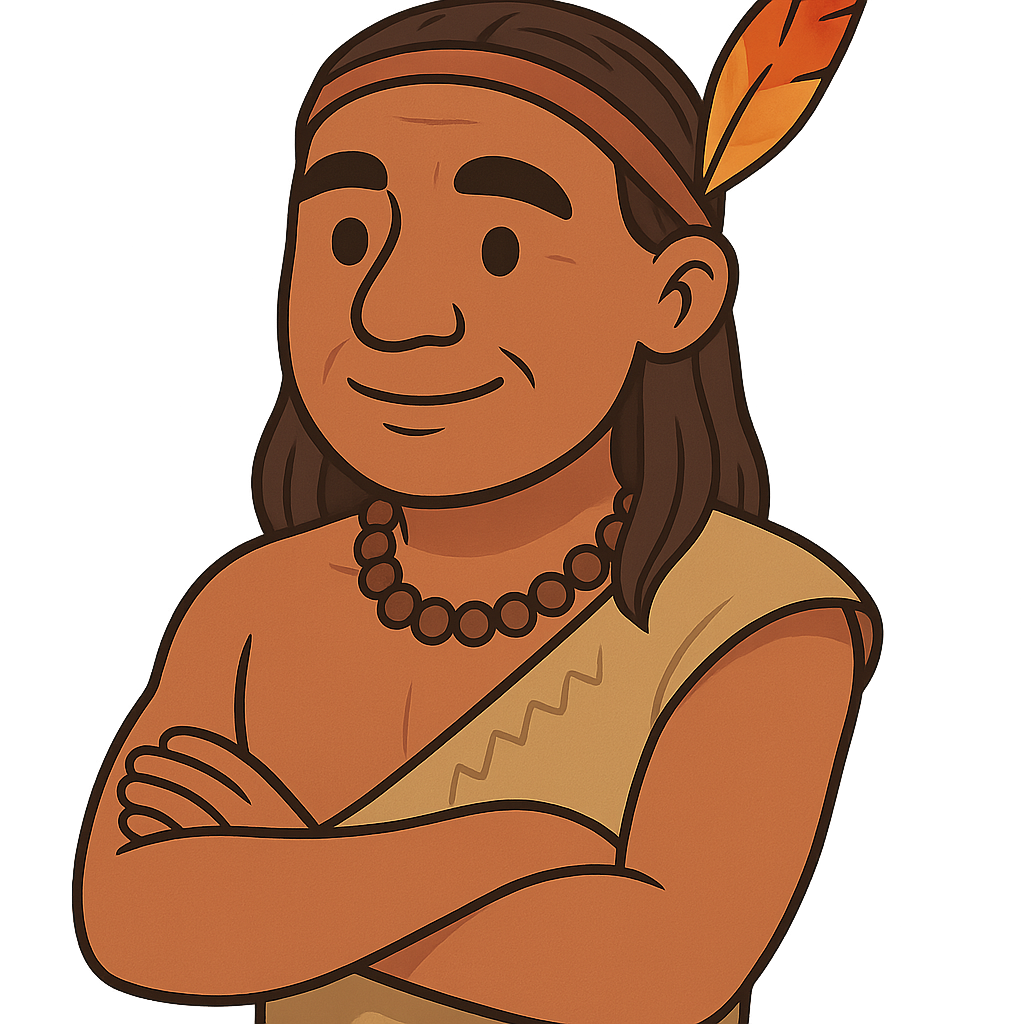
The Story of Tisquantum (Squanto)
Hello! My name is Tisquantum, but many people today know me as Squanto. I was born around the year 1585. I was part of the Patuxet people, and we lived in a beautiful village by the water in a place now called Massachusetts. I learned how to hunt in the forests, fish in the streams, and grow corn, beans, and squash to feed my family. Life was peaceful, and our home was full of busy, happy people.
One day in 1614, my whole world changed. An English explorer named Thomas Hunt tricked me and some other men from my tribe into getting on his big ship. He sailed us all the way across the great ocean to Spain. He wanted to sell us as slaves, but some kind friars helped me. I eventually traveled to England, where I lived for a few years. It was a strange new place, but I learned to speak the English language. I did not know it then, but this would be very important later in my life.
After a long time away, I finally found a way to go back home in 1619. I was so excited to see my family and my village again. But when I arrived, a great sadness filled my heart. A terrible sickness had come while I was gone, and all of my Patuxet people had died. I was the only one left from my village. I had to find a new way to live, so I went to stay with the nearby Wampanoag people.
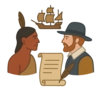
The very next year, in 1620, a big ship called the Mayflower arrived. It carried people from England who we called the Pilgrims. They decided to build their new homes right where my old village of Patuxet had been. They had a very hard first winter and did not know how to find food or survive in this new land. In the spring of 1621, a Wampanoag leader named Samoset and I went to meet them. You should have seen their faces when I walked into their village and said 'hello' in their own language.
Because I knew the land and could speak English, I became their teacher and friend. The Pilgrims were hungry and needed help, so I showed them many things. I taught them how to plant corn by putting a fish in the ground next to the seeds, which helps the corn grow strong. I showed them which berries were safe to eat and where to catch the best fish and eels. I also helped them speak with the great Wampanoag leader, Massasoit. Together, we all made a promise of peace. That autumn of 1621, we shared a big harvest feast to celebrate our friendship and all the food we had grown together.
I continued to work as a guide and interpreter, helping my new friends and my own people understand each other. My life came to an end in 1622 while I was helping the governor on a trip. I am remembered as someone who built a bridge between two very different worlds. My help allowed the Pilgrims to survive, and the story of our shared feast is still told today as a tale of friendship and people coming together.
Activities
Take a Quiz
Test what you learned with a fun quiz!
Get creative with colors!
Print a coloring book page of this topic.









 Free for Educators