English
 For Schools
 For Homeschool

I Am Light
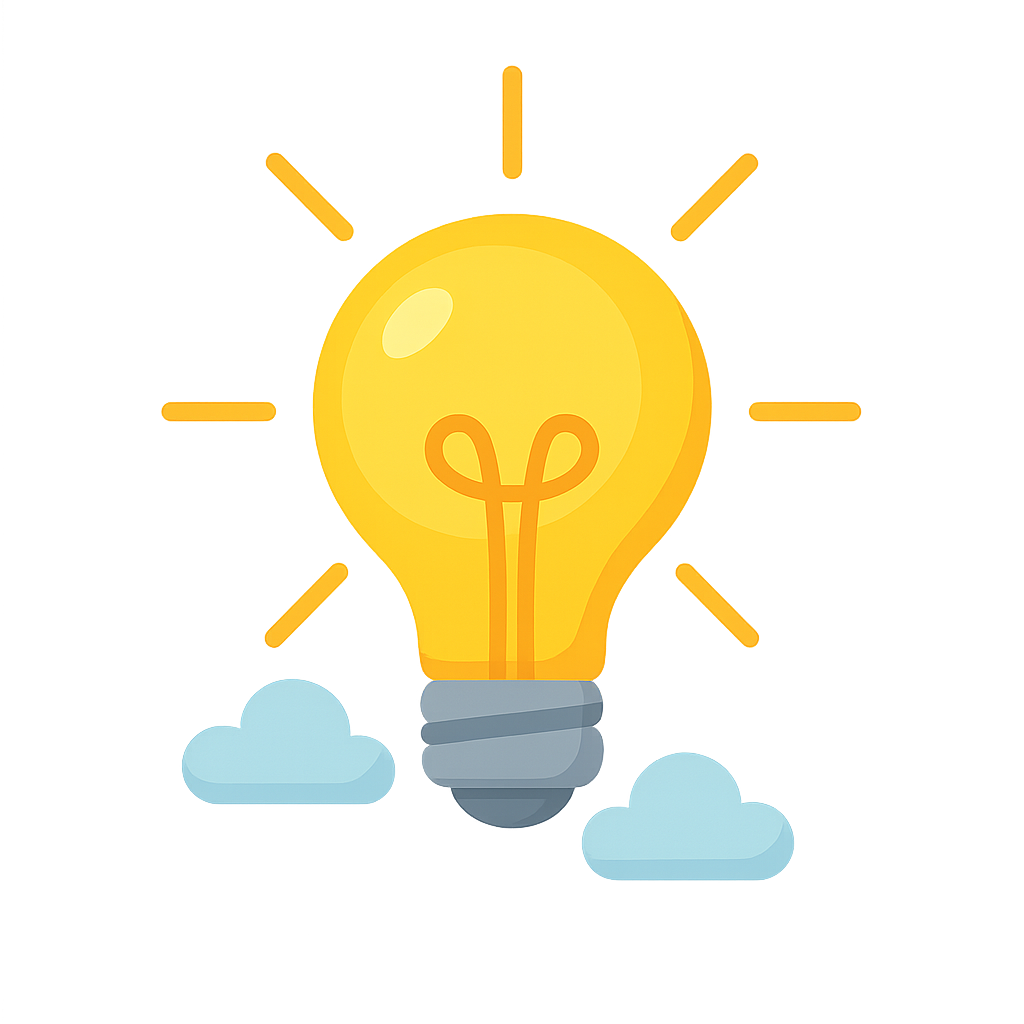
Before you could see, I was already here. I am the first blush of color that paints the morning sky, chasing away the deep velvet of night. I zip across the vast, silent emptiness of space faster than anything else in the entire universe. I am the warmth you feel on your face when you step outside on a sunny day, a gentle kiss from a star 93 million miles away. For ages, humans wondered about my true nature. Was I a wave, like the ripples that spread across a pond? Or was I a particle, a tiny messenger on a mission? The truth is, I am both, and that is one of my greatest mysteries. I am the gentle wave of energy lapping on the shore of your reality, and I am also a steady stream of tiny, energetic messengers called photons, each carrying a little packet of brilliance. I have traveled for millions, sometimes billions, of years just to reach your eyes. I carry stories of faraway galaxies, of stars being born in fiery nurseries, and of ancient cosmic events that happened long before your world even existed. When you look up at the night sky, you are not just seeing twinkling dots; you are seeing me, carrying the history of the universe directly to you. I am the bridge between the distant past and your present moment. I am Light.
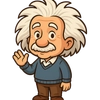
For most of human history, you saw me but did not truly see me. You used me to find your way in the dark, to grow your crops, and to feel warmth. You built great temples to honor the sun, my closest and most powerful source. You knew I was essential, but my inner secrets remained hidden. Then, a wonderfully curious man began to unlock my first puzzle. In 1666, a scientist named Isaac Newton sat in a darkened room and let a single beam of sunlight pass through a specially shaped piece of glass called a prism. He expected to see just a spot of white, but instead, a stunning band of colors appeared on his wall—red, orange, yellow, green, blue, indigo, and violet. He proved that I wasn't simply white; I was a secret bundle of all the colors of the rainbow, blended together perfectly. This was a monumental breakthrough, showing that there was more to me than met the eye. Nearly two centuries later, around 1865, another brilliant mind, James Clerk Maxwell, discovered my deeper identity. Through complex mathematics, he realized I was a type of traveling energy called an 'electromagnetic wave.' He showed that I was related to invisible forces like electricity and magnetism, a ripple moving through the fabric of the universe. Just when you thought you had me figured out, along came Albert Einstein. In 1905, he proposed a revolutionary idea. He suggested that sometimes I don't act like a wave at all. Instead, I behave like a tiny, discrete packet of energy—a particle he called a 'photon.' This wave-particle duality was mind-bending. How could I be two opposite things at once? Think of it this way: I can be like a flowing river, a continuous wave of water, but I can also be like a shower of individual raindrops. I am both, depending on how you look at me.
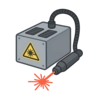
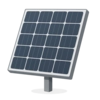
Understanding my complex nature has changed your world in ways you might not even realize. Every single day, you rely on my brilliant purpose. The green leaves of every plant, from the tallest tree to the smallest blade of grass, use me to perform a magical trick called photosynthesis. They capture my energy to create food, which in turn feeds almost all life on Earth. My energy is your energy. In your modern world, I am a tireless worker. I travel through impossibly thin fiber optic cables, carrying the internet across continents in the blink of an eye, connecting you with friends and information from all over the globe. I am captured by solar panels, converting my sunny warmth into electricity that can power your homes and schools. As a focused beam called a laser, I allow doctors to perform incredibly delicate surgeries with pinpoint precision. I even help you capture your most precious memories. When you take a photograph, you are using me to freeze a moment in time forever. Through the lenses of powerful telescopes, I allow you to peer deep into the past of the universe, seeing galaxies as they were billions of years ago. I am more than just something you see. I am a fundamental connection to the cosmos, a source of life-giving energy, and your greatest tool for discovery. By continuing to study me, you not only learn about the universe but also unlock endless possibilities to create a brighter future for everyone.
Activities
Take a Quiz
Test what you learned with a fun quiz!
Get creative with colors!
Print a coloring book page of this topic.