

 English

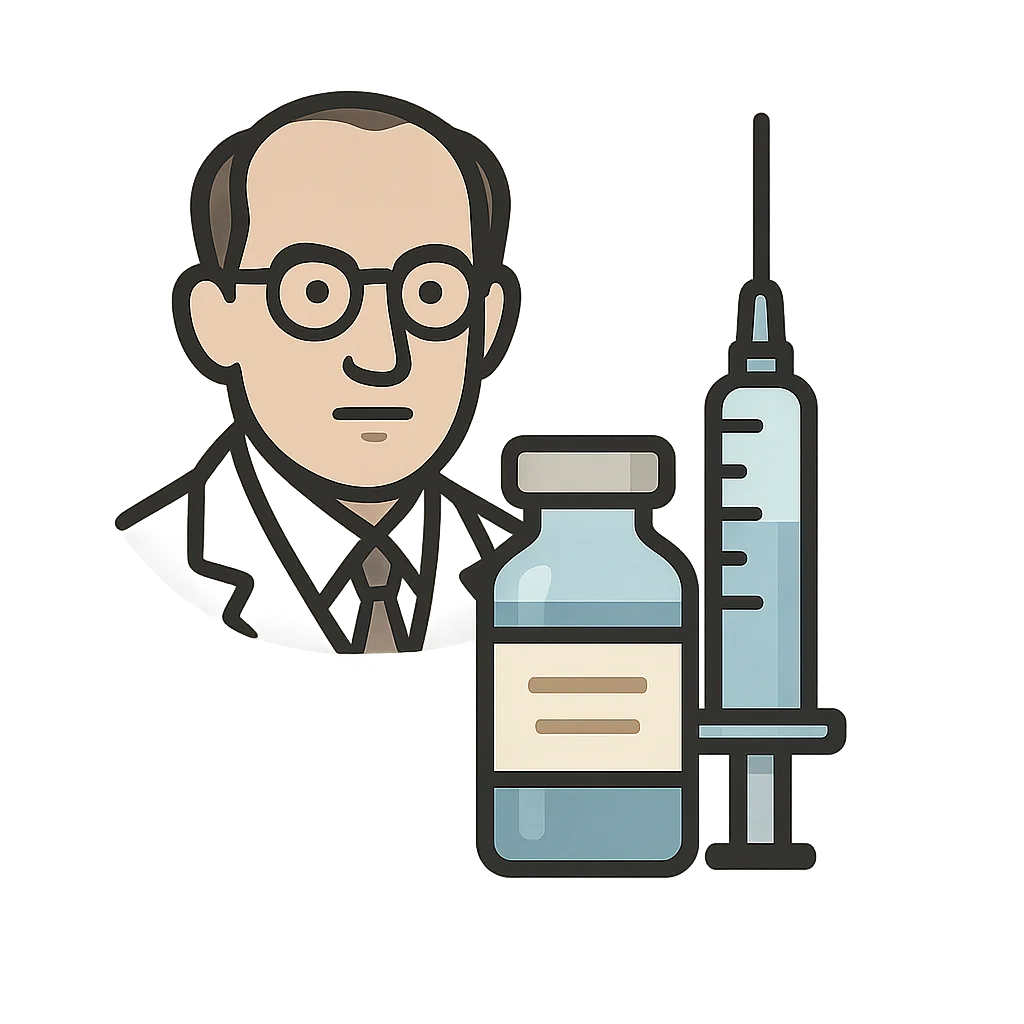
Jonas Salk and the Shot of Hope
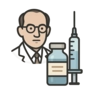
My name is Dr. Jonas Salk, and I want to tell you about a time when a shadow haunted the sunshine. In the middle of the 20th century, around the 1940s and 1950s, the world was a wonderful place in many ways, but families lived with a terrible fear, especially during the summer. That fear had a name: poliomyelitis, or polio, for short. It was a mysterious illness that seemed to appear out of nowhere. One day a child could be running and laughing, and the next, a fever could turn into something much worse. Polio was a cruel crippler that could weaken muscles, making it impossible for children to walk, run, or even breathe on their own. The sight of children in leg braces or iron lungs was all too common. Even a future president, Franklin D. Roosevelt, had battled polio as an adult. As a scientist, and more importantly, as a father of three boys, I couldn't stand by and watch this disease steal the joy of childhood. I was determined to fight back. My dream was to create something that could protect every child, a shield that would let them enjoy the summer sun without fear.
My battle against polio was fought not on a field, but in a laboratory at the University of Pittsburgh. The challenge was immense. How could we teach the human body to fight off the polio virus without actually giving someone the disease? Think of it like teaching a soldier to recognize an enemy from a photograph before they ever meet in a real battle. My dedicated team and I worked day and night, surrounded by the clinking of glass beakers and the quiet hum of scientific equipment. We believed the answer was something called a 'killed-virus' vaccine. We would take the polio virus itself, but we would use a chemical, formaldehyde, to make it completely inactive, or 'dead.' It could no longer cause the disease, but the body's defense system could still see it, study it, and learn how to build an army of antibodies against it. The process took years of painstaking work. We conducted countless experiments, facing setbacks that tested our spirits. But the thought of all the children we could save kept us going. Finally, in 1952, after many long nights and endless trials, we had a breakthrough. We had developed a vaccine that seemed to work. It was a moment of quiet hope, but we knew the biggest test was still to come.
Creating the vaccine in the lab was one thing; proving it was safe and effective for the public was another challenge entirely. We couldn't risk failure. So, in 1954, we began the largest public health experiment in American history. It was a massive undertaking that relied on the courage of children and their parents. Over 1.8 million children, from second, third, and fourth grades all across the country, volunteered to participate. They were rightly called the 'Polio Pioneers.' These children were true heroes. Some received my vaccine, some received a harmless saltwater solution called a placebo, and others were simply observed. This allowed us to scientifically compare the results and know for certain if the vaccine worked. The year that followed was one of the most stressful of my life. The health of millions of children and the hopes of the entire world rested on the outcome of these trials. Every day, I waited, wondering if our long years of labor in the lab would finally bring an end to the fear of polio. We all held our breath, waiting for the answer.
The sun finally broke through the clouds on April 12th, 1955. I was at the University of Michigan, in a room packed with scientists and reporters from around the world. The air was thick with anticipation; you could feel the nervous energy. Then, Dr. Thomas Francis Jr., the man in charge of analyzing the trial results, stepped up to the podium. The room fell silent. He spoke the words that would change the world forever: the vaccine was 'safe, effective, and potent.' A wave of pure joy and relief erupted in the room, and soon, across the entire country. Church bells rang, factory whistles blew, and people celebrated in the streets as if a great war had been won. And in a way, it had been—a war against a terrible disease. Later, a reporter asked me who owned the patent to the vaccine. I simply replied, 'Well, the people, I would say. There is no patent. Could you patent the sun?' To me, the vaccine was not for profit; it was a gift to the world. It was the result of science, collaboration, and a shared hope for a healthier future for all of humanity.
Activities
Take a Quiz
Test what you learned with a fun quiz!
Get creative with colors!
Print a coloring book page of this topic.









 Free for Educators