

 English

Edward Jenner and the Gift of Vaccination
Hello there. My name is Edward Jenner, and long ago, I was a doctor in the quiet English countryside. In my time, during the late 1700s, there was a shadow that hung over every town and village. It was a dreaded disease called smallpox. It was a terrible sickness that brought high fevers and painful spots, and it made everyone deeply afraid. As a doctor, it broke my heart to see so many families suffer. But in the middle of all this sadness, I heard a hopeful whisper, a secret that came from the most unlikely of places: the dairy farms. The local milkmaids, who spent their days with the cows, told me something fascinating. They said that if you caught a very mild sickness from the cows called cowpox, which only gave you a few spots on your hands, you would never, ever catch the terrible smallpox. This country secret sparked a flicker of an idea in my mind, a question that I just couldn't ignore.
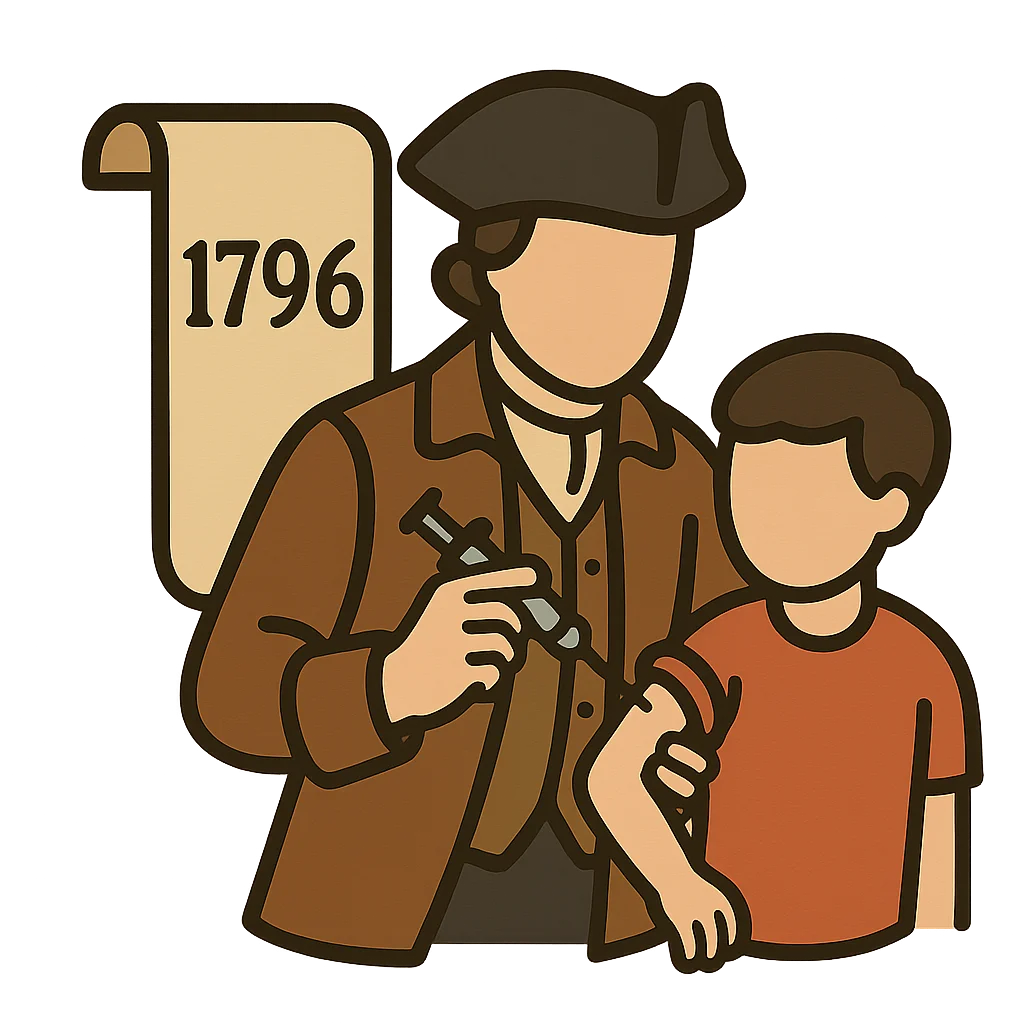
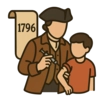
That little secret grew into a big, daring idea that buzzed in my mind day and night. What if the milkmaids were right? What if I could purposely give someone the mild cowpox to keep them safe from the deadly smallpox? It felt like standing on the edge of a great discovery, but it was also a very scary thought. No one had ever tried such a thing before, and I knew it would be very risky. I needed a volunteer, someone brave enough to help me test my idea for the good of everyone. I found that bravery in a healthy eight-year-old boy named James Phipps. After I carefully explained my plan to his parents, they agreed to help. The day I remember most clearly is May 14th, 1796. My hands trembled just a little as I took a tiny bit of fluid from a cowpox spot on the hand of a milkmaid. Then, I made a very small, gentle scratch on James’s arm and applied the fluid. The first part of my experiment was done. Now, all we could do was wait and hope. For the next few days, I visited James often. He felt a little under the weather and a small sore developed on his arm, but it was very mild. Soon, he was perfectly fine, running and playing as he always did. But the true test, the most important part of my daring idea, was still to come.
Several weeks later, the moment of truth arrived. This was the most important and riskiest part of my entire experiment. To find out if James was truly protected, I had to expose him to the very disease I was trying to fight: smallpox. My heart pounded in my chest like a drum as I prepared. I took a small amount of matter from a smallpox sore and gently introduced it into a scratch on James's arm, just as I had done with the cowpox. The following days were the most anxious of my life. I watched James for any sign of fever, any hint of the dreaded spots. One day passed, then two, then a week. Nothing happened. James remained perfectly healthy, cheerful, and full of energy. He never got sick. Not even a little bit. A huge wave of relief and joy washed over me. It had worked! My idea was not just a hopeful dream; it was real. The gentle cowpox had taught the boy's body how to fight off the terrible smallpox. James was safe.
I knew in my heart that this discovery was not just for James or my village. It was a gift for the entire world. I needed a name for this new method of protection. Since my idea came from the cows, I looked to the Latin word for cow, which is 'vacca.' From that, I created the word 'vaccination.' My discovery traveled across the globe, saving millions of people from the fear and sadness of smallpox. Looking back, I see that my journey taught me a valuable lesson. It showed me that by observing the world carefully, asking bold questions, and having the courage to test a new idea, we can find amazing ways to help one another and make the world a healthier, safer place for everyone.
Activities
Take a Quiz
Test what you learned with a fun quiz!
Get creative with colors!
Print a coloring book page of this topic.







 Free for Educators