English

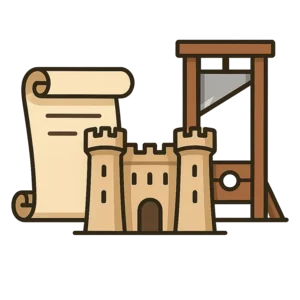
French Revolution
The French Revolution was a time in the late 1700s when the people of France rose up to demand fairness…
Reads at Grades 3–5 Listens at Grades 1–5
Print & create
Answer keys·No prep·Free with an account
28 worksheets · answer keys · full story · quiz · Ages 8-10 · CEFR B1
Plus adds 280,000+ more stories in 27 languages, audio for every one, and printables for all of them.
Just want French Revolution?
My name is Sophie, and I remember a time when Paris was a city of whispers and rumbling bellies. Every morning, the most wonderful smell would drift from the bakeries, the scent of fresh, warm bread. But for my family and so many others, it was a smell we enjoyed more with our noses than with our mouths. Bread was expensive, and our hunger was a constant companion. We lived in crowded streets, while far away in a glittering palace called Versailles, King Louis XVI and Queen Marie Antoinette lived a life we could barely imagine. We heard stories of their lavish parties and clothes that cost more than we would see in a lifetime. It didn't feel fair. A feeling of injustice settled over Paris like a heavy fog. But then, new words started to travel through the city, carried on hopeful whispers from one person to another. Words like 'liberty,' which meant freedom, and 'equality,' which meant everyone should be treated the same. These words were like sparks, and soon they would light a fire in the hearts of everyone in Paris. We were tired of being hungry and ignored. We started to believe that we, the people, deserved a voice in how our country was run.
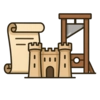
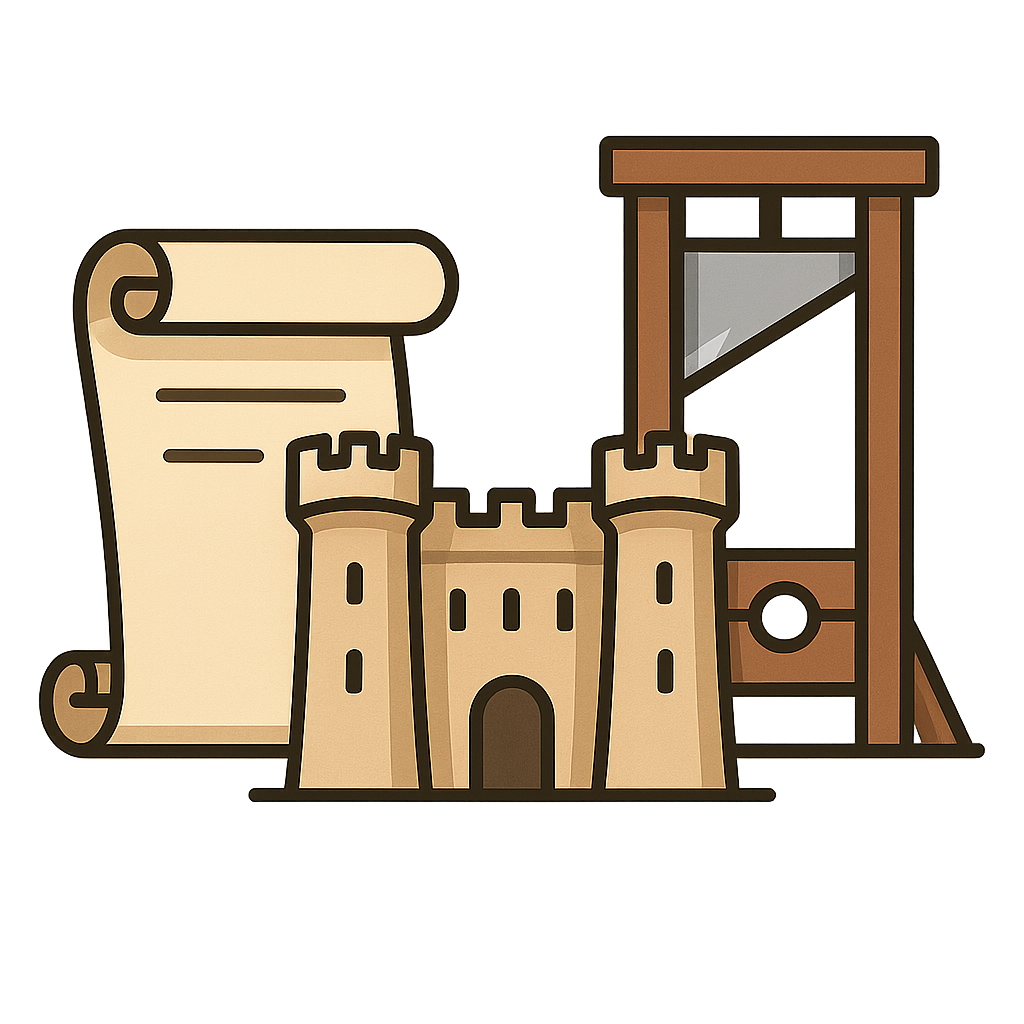
I will never forget the morning of July 14, 1789. The air itself felt different, charged with a new energy. It was electric. Instead of the usual clatter of carts, the streets were filled with the sound of marching feet and the powerful harmony of people singing songs of freedom. I joined the crowd, my heart pounding with a mix of fear and excitement. We were all marching together, a great river of people flowing toward a grim, towering fortress called the Bastille. The Bastille wasn't just a prison; it was a symbol. To us, its thick stone walls represented the king's unfair power over our lives. It stood there to remind us that he could do whatever he wanted. But on that day, we decided we were no longer afraid. We wanted to show the king that his power came from us, the people. We stood together, united and brave, demanding that the fortress surrender. When its gates finally opened, a cheer erupted that shook the very foundations of Paris. It was a sound of pure hope. In the days that followed, we created a new flag with stripes of red, white, and blue, a banner for our new France. Leaders wrote a document called the Declaration of the Rights of Man and of the Citizen. It was a promise, written down for all to see, that every person was born free and equal. It felt like the world was changing right before my eyes.
Sophie's Story: The Day the Bastille Fell
My name is Sophie, and I remember a time when Paris was a city of whispers and rumbling bellies. Every morning, the most wonderful smell would drift from the bakeries, the scent of fresh, warm bread. But for my family and so many others, it was a smell we enjoyed more with our noses than with our mouths. Bread was expensive, and our hunger was a constant companion. We lived in crowded streets, while far away in a glittering palace called Versailles, King Louis XVI and Queen Marie Antoinette lived a life we could barely imagine. We heard stories of their lavish parties and clothes that cost more than we would see in a lifetime. It didn't feel fair. A feeling of injustice settled over Paris like a heavy fog. But then, new words started to travel through the city, carried on hopeful whispers from one person to another. Words like 'liberty,' which meant freedom, and 'equality,' which meant everyone should be treated the same. These words were like sparks, and soon they would light a fire in the hearts of everyone in Paris. We were tired of being hungry and ignored. We started to believe that we, the people, deserved a voice in how our country was run.
I will never forget the morning of July 14, 1789. The air itself felt different, charged with a new energy. It was electric. Instead of the usual clatter of carts, the streets were filled with the sound of marching feet and the powerful harmony of people singing songs of freedom. I joined the crowd, my heart pounding with a mix of fear and excitement. We were all marching together, a great river of people flowing toward a grim, towering fortress called the Bastille. The Bastille wasn't just a prison; it was a symbol. To us, its thick stone walls represented the king's unfair power over our lives. It stood there to remind us that he could do whatever he wanted. But on that day, we decided we were no longer afraid. We wanted to show the king that his power came from us, the people. We stood together, united and brave, demanding that the fortress surrender. When its gates finally opened, a cheer erupted that shook the very foundations of Paris. It was a sound of pure hope. In the days that followed, we created a new flag with stripes of red, white, and blue, a banner for our new France. Leaders wrote a document called the Declaration of the Rights of Man and of the Citizen. It was a promise, written down for all to see, that every person was born free and equal. It felt like the world was changing right before my eyes.
Looking back, I know that taking the Bastille was only the beginning. It was like planting the first seed of a new forest. The road ahead was long and difficult, and changing a whole country didn't happen overnight. There were many more struggles to come. But that day, July 14th, changed everything forever. It was the moment we, the ordinary people of France, realized our own strength. We had torn down a symbol of unfairness and declared that we deserved a better future. The ideas that we fought for spread far beyond our city. The powerful words 'Liberté, Égalité, Fraternité'—Liberty, Equality, and Fraternity, which means brotherhood—became a song for people all over the world. It taught them that they, too, could stand up for their rights and build a fairer world. I am proud that I was there to see the day the walls came down and the sun began to shine on a new France.
Wow facts
About
The French Revolution was a time in the late 1700s when the people of France rose up to demand fairness, equality, and a say in how their country was run, leading to the end of the monarchy.
Take a Quiz
Question 1 of 5
What was the Bastille, and why was it an important symbol to the people of Paris?
Explore next



Want to do even more?
Go beyond exploring. Unlock tools that turn every story into real learning.

Storypie Plus for families
Full stories, quizzes, and printables. Nights and car rides, sorted.
- Unlimited audio stories
- Create Mode: your child stars in the story
- Offline downloads
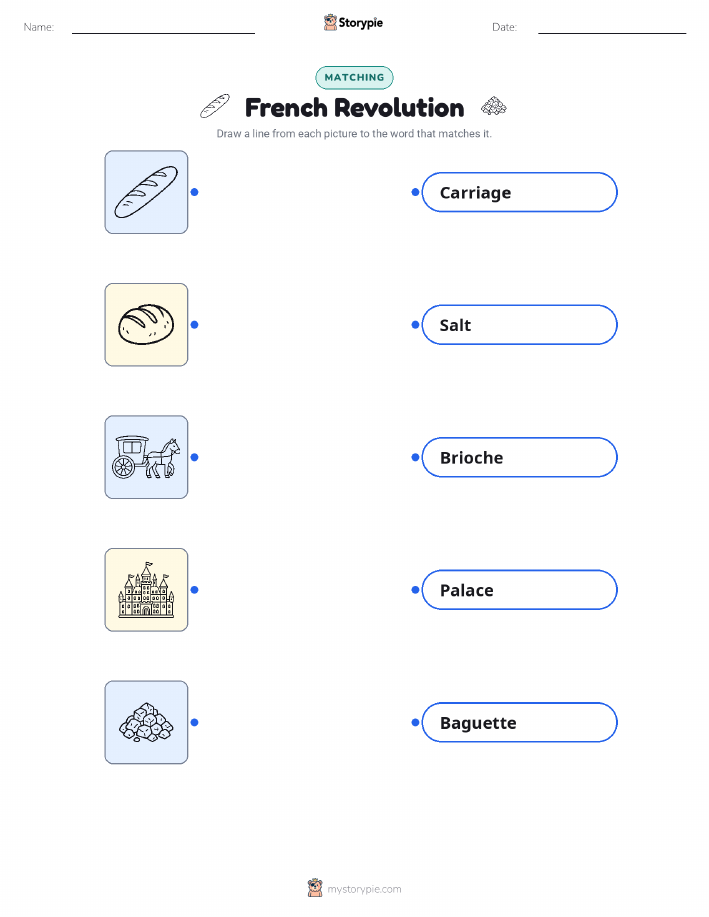
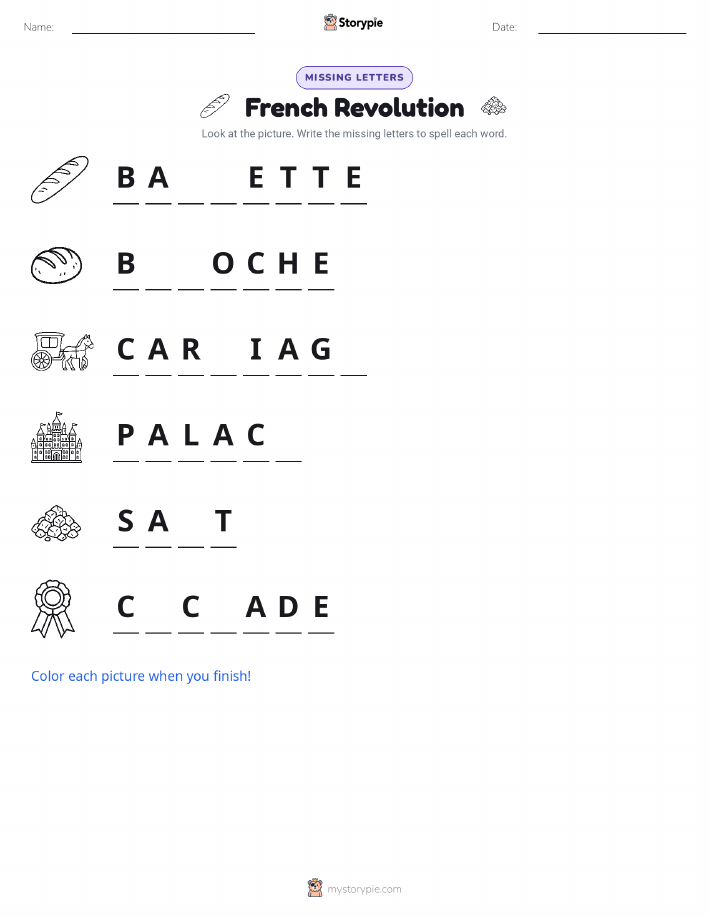
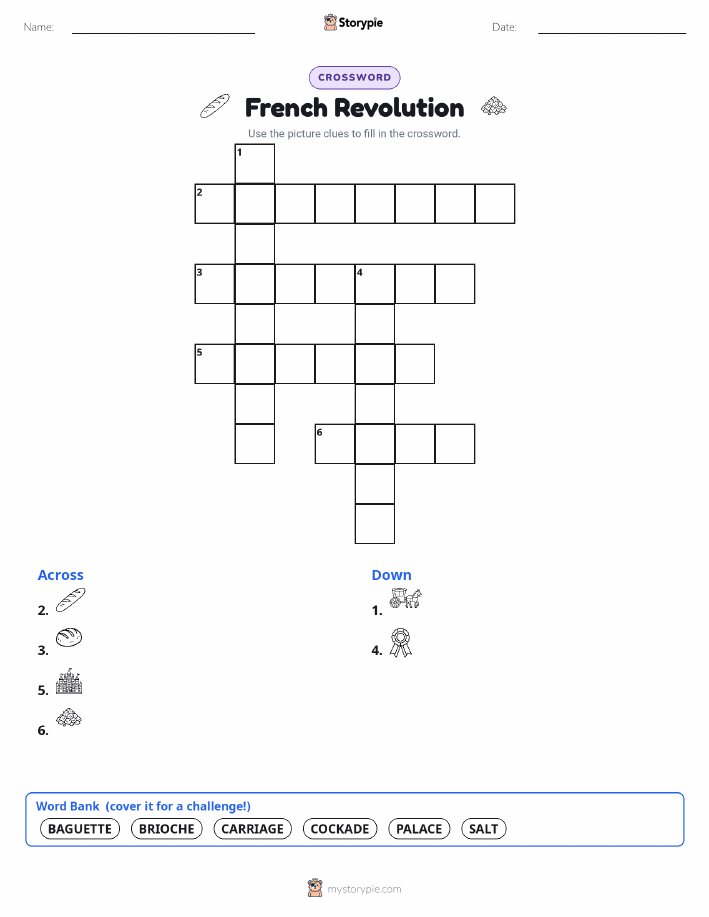
- Printable worksheets & coloring pages

Why Storypie for Schools
Students engaged. Prep in seconds. Evenings back to you.
- Worksheets & Quizzes
- Classroom Management
- Formative Assessment
- Custom Curriculum & Lesson Plans
- 27 Languages

Why Storypie for Homeschool
Curriculum done. They'll ask for more. Hours back in your day.
- Worksheet Generator
- First-Person Audio Stories
- Built-in Comprehension Quizzes
- Custom Curriculum & Lesson Plans
- Print & Go Activities