

 English

A New Heartbeat for the World
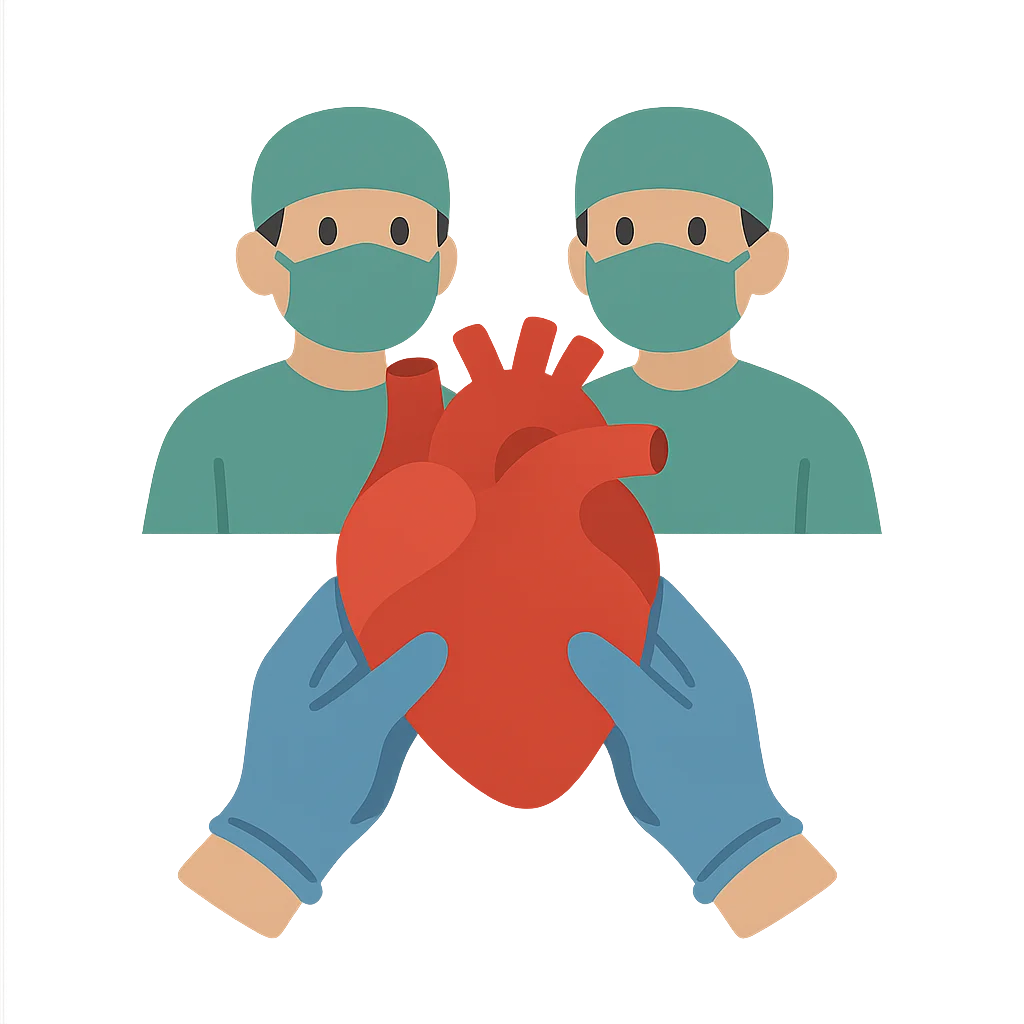
My name is Christiaan Barnard, and I was a heart surgeon. My story takes place in the beautiful city of Cape Town, South Africa, during the 1960s. In those days, if your heart began to fail, there was very little we doctors could do. Imagine your heart is a powerful pump, pushing blood to every tiny part of your body to keep you alive and moving. Now, imagine that pump starting to wear out, growing weaker each day. That was the reality for so many people, and it was a problem I was determined to solve. I had a patient named Louis Washkansky, a kind grocer who was only 53 years old. His heart was so weak that he could barely walk across a room. He spent his days in a hospital bed, fighting for every breath, and we both knew his time was running out. For years, I had held onto a daring, almost unbelievable dream: to replace a dying heart with a healthy one from another person. The idea seemed like something from a science fiction story. Many people thought it was impossible, even reckless. They said we shouldn't play God. But I had spent years in the laboratory, practicing the procedure on animals, perfecting every tiny stitch and every critical step. I knew the risks were enormous. If we failed, my patient would die, and my career would be over. But if we succeeded, we could change medicine forever and give people like Mr. Washkansky a second chance at life. The weight of that decision was heavy, but seeing my patient's fading hope pushed me forward. We were standing on the edge of a great unknown, ready to take a leap of faith.
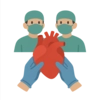
Everything changed on the afternoon of December 2nd, 1967. The phone in my office rang. It was the call I had been waiting for. There was a potential donor. A young woman named Denise Darvall had been in a terrible car accident with her mother, and sadly, her injuries were too severe for her to survive. Her father, Edward Darvall, was facing an unimaginable tragedy. In the midst of his own grief, he was asked to make a decision that had never been asked of anyone before: would he allow his daughter's heart to be given to a stranger? With incredible courage and generosity, he said yes, hoping that some good could come from his family's loss. That single act of kindness set in motion a night that would go down in history. We raced against time. My team of thirty doctors and nurses gathered in the brightly lit operating room at Groote Schuur Hospital. The air was thick with a mixture of nervous energy and intense focus. The only sounds were the soft beeping of machines and our quiet, steady instructions. I looked at Louis Washkansky, asleep on the table, and then at the healthy heart of Denise Darvall, which we had carefully preserved. The moment had arrived. With steady hands, I made the first incision. The most difficult part was removing Mr. Washkansky's diseased heart. For a few terrifying minutes, his chest was empty. There was no heart inside him at all. Then, we carefully placed Denise's heart into the empty space. It looked small and pale. My team and I worked meticulously, stitching the major veins and arteries together, connecting this new heart to its new home. Every stitch had to be perfect. After what felt like an eternity, the final connection was made. But the heart just lay there, still and silent. The silence was deafening. My own heart pounded in my ears. This was the moment of truth. I took the defibrillator paddles and placed them on the heart. 'Stand back,' I commanded. We sent a small electric shock through the muscle. It jumped, but nothing happened. We tried again. Another jolt. And then… we saw it. A single, tiny flicker. Then another. And then, a slow, steady beat began. Thump-thump. Thump-thump. It was the most beautiful sound I had ever heard. A wave of relief washed over the room. We had done it. Inside Louis Washkansky's chest, a new heart was beating on its own. A beat of hope had begun.
In the days that followed the surgery, the world erupted with excitement. News of the first successful human heart transplant spread like wildfire. Reporters and photographers from every corner of the globe camped outside the hospital. Overnight, my team and I became famous, but our focus remained entirely on our patient. Mr. Washkansky woke up, and he could speak, smile, and even joke with the nurses. For the first time in years, he wasn't struggling for breath. He was alive and feeling better, and it was a miracle to witness. The world celebrated this incredible achievement. But our journey was not over. In those early days of transplant medicine, we didn't fully understand how the body's immune system works. It's designed to attack anything it doesn't recognize, like germs, but it saw the new heart as a foreign invader and began to fight against it. We gave Mr. Washkansky medicine to weaken this response, but sadly, it also weakened his ability to fight infection. Eighteen days after his historic surgery, he passed away from pneumonia. Some people called this a failure, but they were wrong. Those eighteen days were a monumental victory. Mr. Washkansky and the Darvall family had given the world an incredible gift. They proved that the impossible was possible. That one operation opened a door that could never be closed again. It gave surgeons around the world the courage to follow, and it kickstarted the development of new medicines that could prevent organ rejection. Today, thousands of people live full, healthy lives because of heart transplants. My role in that first surgery taught me that progress requires immense courage, unwavering teamwork, and the willingness to push beyond the known boundaries of science, all in the hope of helping our fellow human beings.
Activities
Take a Quiz
Test what you learned with a fun quiz!
Get creative with colors!
Print a coloring book page of this topic.




 Free for Educators