English
 For Schools
 For Homeschool

The Story of the Barcode
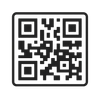
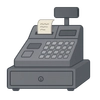
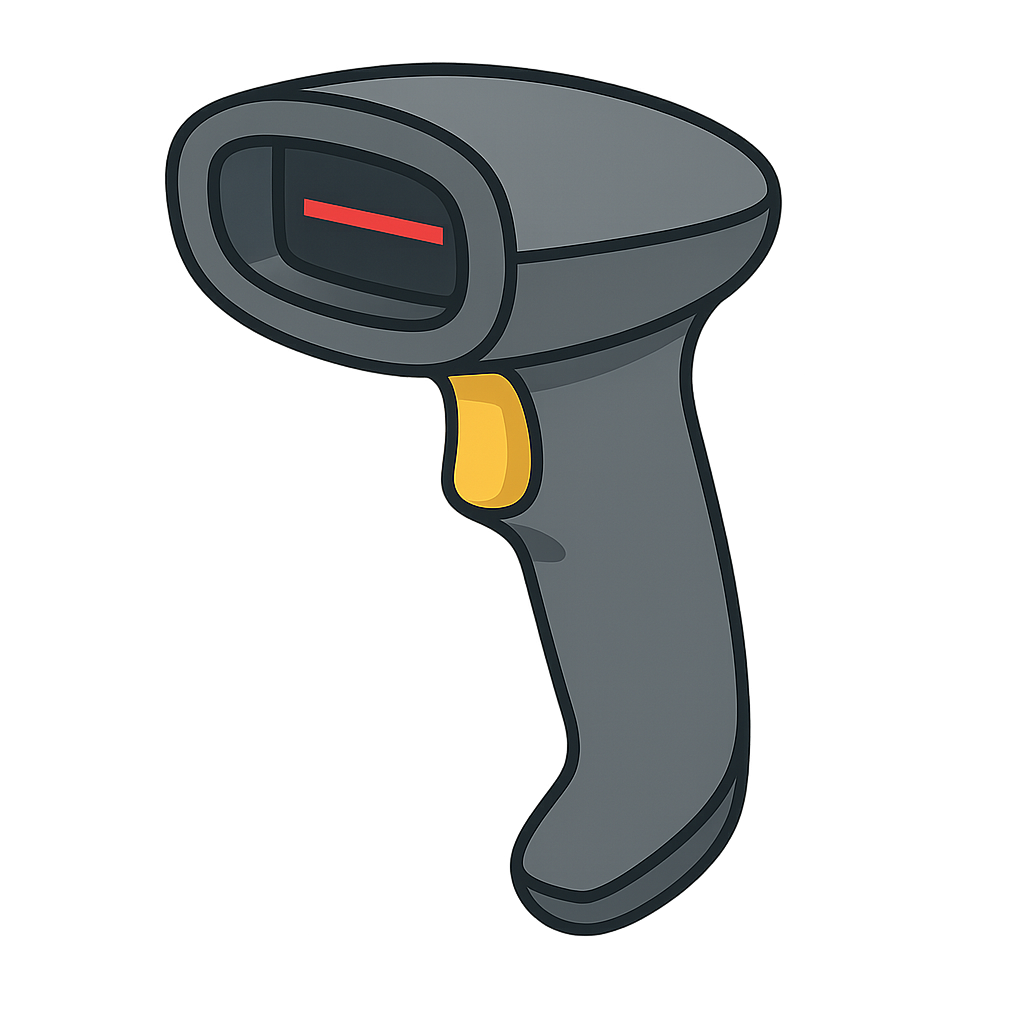
You probably know me best by the sound I make. Beep. It’s a quick, happy little sound you hear all the time in stores. That beep means I’ve done my job. But before I came along, shopping was a very different, and much slower, experience. Imagine your parents at the grocery store, waiting in a line that barely moved. The cashier had to pick up every single item, the can of soup, the box of crackers, the bunch of bananas, and search for the price tag. Then, they would slowly type the price into the big, clunky cash register. Click, clack, click. It took forever, and sometimes, they even typed the wrong price. People needed a faster, smarter way to check out.
That’s where my story begins, with two very clever friends named Bernard Silver and Norman Joseph Woodland. They were students at a university in a city called Philadelphia, and they loved solving puzzles. To them, the problem of the long, slow grocery line was the most interesting puzzle of all. They knew there had to be a better way, an automatic way, for the register to know what an item was and how much it cost. They just had to invent it. Their big idea would soon give me my voice, that friendly little beep you hear today.
My life truly began because someone was listening. One day, Bernard was in the office of a grocery store owner and overheard him wishing for a magical system that could read product information automatically during checkout. Bernard couldn't wait to tell his friend Norman about this exciting challenge. Norman thought about the problem day and night. He tried using patterns of ink that glowed under a special light, but that was too complicated. Then, one winter day, he went to visit his grandparents in Miami. He was sitting on the beach, relaxing and just dragging his fingers through the warm sand. As he looked down at the long, straight grooves he had made, an incredible idea flashed in his mind. He remembered learning Morse code in the Boy Scouts, that special language of dots and dashes used to send messages. What if he could stretch the dots and dashes downwards, turning them into thin lines and thick lines? He could create a unique code for every item in the store.
He rushed back from the beach and started working. At first, he designed me to be a circle, like a bullseye on a dartboard, with thick and thin rings. He and Bernard worked hard to perfect their idea, and on October 7th, 1952, they received a patent, which is like an official certificate for an invention. I was officially born. But there was a big problem. I was an idea that had arrived a little too early. The special laser lights and computers needed to read my lines hadn't been invented yet. So, for many years, I had to wait patiently, like a seed under the ground, waiting for the right time to sprout and grow.
Years and years went by, and the world kept changing. Computers became smaller and more powerful, and scientists invented amazing laser beams that could read tiny patterns. By the 1970s, the world was finally ready for me. But before I could go into every store, all the companies had to agree on one single design for me to use. A brilliant engineer at IBM named George Laurer helped create the rectangular shape you see on products today. This new design was called the Universal Product Code, or UPC for short. It was my official name.
Then came my biggest day ever. The air was buzzing with excitement on June 26th, 1974, at a Marsh supermarket in Troy, Ohio. Reporters and photographers gathered around the checkout counter. A cashier, Sharon Buchanan, picked up the very first item that would be officially scanned in a real store. Was it a car? A fancy television? No, it was something much simpler. It was a 10-pack of Wrigley's Juicy Fruit chewing gum. She slid it over the scanner, a red line of light flashed across my black and white stripes, and… BEEP. The price appeared on the register instantly. It worked perfectly. From that moment on, shopping was never the same. Checkout lines moved faster, and stores could easily keep track of everything they sold. Today, you can find me on almost everything, from your cereal box to library books and packages mailed across the world. Looking back, I see that my simple lines, first imagined in the sand, helped make the world a more organized and efficient place, proving that even a small idea can make a very big difference.
Activities
Take a Quiz
Test what you learned with a fun quiz!
Get creative with colors!
Print a coloring book page of this topic.