

 English

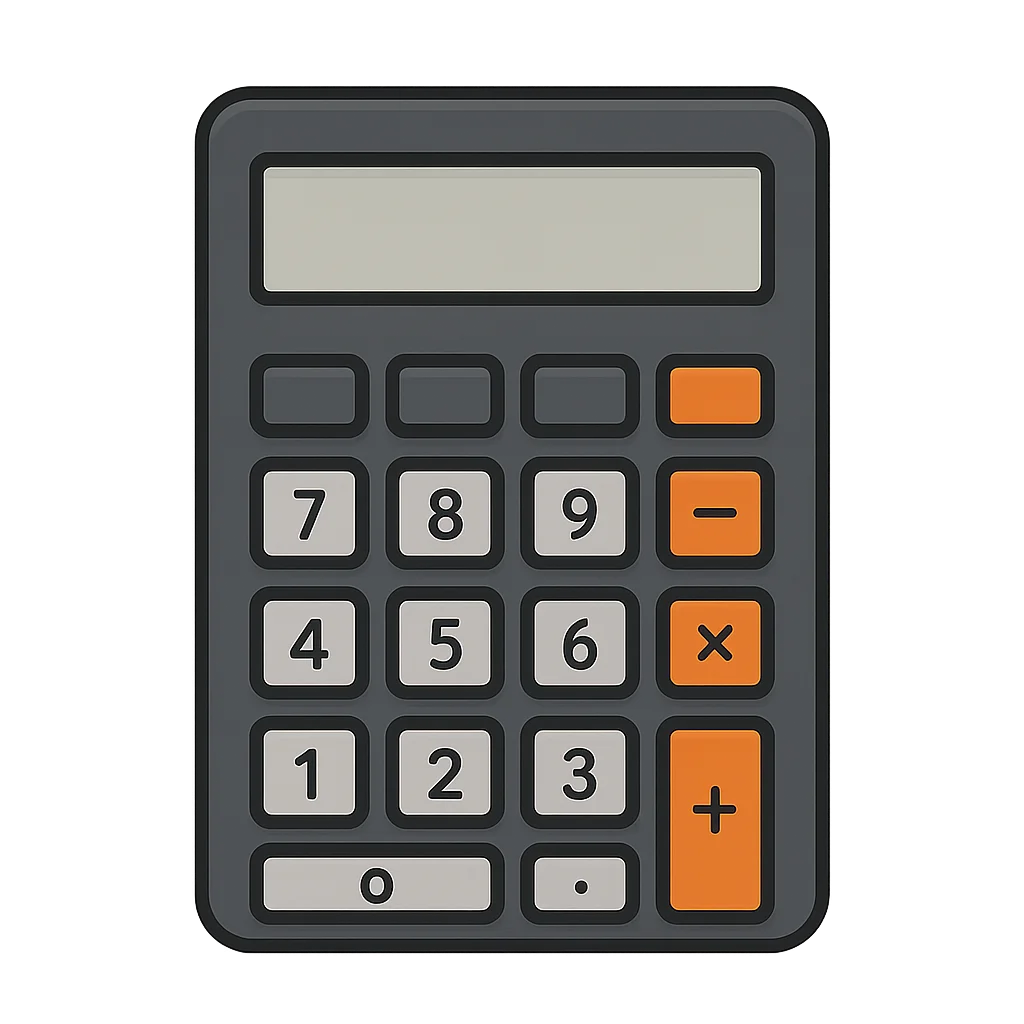
The Pocket-Sized Problem Solver
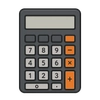
Hello there. You might have seen me in your classroom, or maybe you have a cousin of mine living inside your family’s phone. I’m a calculator, and my very favorite thing in the world is numbers. Big numbers, small numbers, numbers that add up, and numbers that divide—I love them all. But for a very long time, people found numbers to be quite tricky. Imagine trying to add thousands of numbers together with just a pen and your brain. It took forever, and it was so easy to make a tiny mistake that would make the whole answer wrong. People needed help, and that’s where my family comes in. My oldest ancestor is the Abacus, a clever frame with beads that slide back and forth. It was a big help for thousands of years, but as problems got more complicated, with giant sums for businesses and amazing calculations for science, people dreamed of something that could do the work faster and more accurately. The world had a big math problem, and it was waiting for someone, or something, to come along and solve it.
My journey from a simple idea to a powerful tool was a long one, full of clicks, whirs, and brilliant sparks of genius. One of my first truly mechanical ancestors was born out of a teenager’s love for his father. In 1642, a young man in France named Blaise Pascal saw his father, a tax collector, spending hours and hours adding up long columns of numbers. Blaise wanted to help, so he invented a clunky, beautiful box full of spinning wheels and gears. He called it the Pascaline. When you turned a dial for one number and then another, the gears would clank and turn, and the correct answer would appear in a little window. It was amazing, but it was also big and complicated. I stayed that way for a long time, a giant mechanical brain of metal parts. My big change, my leap into the modern world, happened because of a spark. Not a real spark, but a spark of an idea in the mind of a man named Jack Kilby. On September 12th, 1958, while working at a company called Texas Instruments, he figured out how to put all the complicated parts of an electronic circuit onto one tiny little piece of material. He invented the integrated circuit. It was like taking a room full of tangled wires, switches, and tubes and shrinking it down to the size of your pinky fingernail. This tiny chip was the magic that let me shed my heavy, metal body. Thanks to Jack Kilby’s invention, I no longer needed clunky gears. I could use the quiet, lightning-fast power of electricity. I was finally on my way to becoming small, speedy, and ready to fit in your hand.
By the 1970s, I had arrived. I was no longer a giant machine that filled a desk; I was a handheld, pocket-sized wonder. Suddenly, I was everywhere. I sat in the backpacks of students, helping them solve tricky math homework without all the frustration. My buttons were pressed by scientists in labs, checking the numbers for their incredible discoveries that would change the world. I was in the hands of engineers building amazing bridges and in the shopping carts of families making sure they stayed on budget at the grocery store. The feeling of being so helpful was the best thing in the world. I could provide the right answer in a flash, giving people more time to think about big ideas instead of getting stuck on the small calculations. Today, you don’t always see me in my classic form with my plastic case and rubbery buttons. I live inside computers, tablets, and phones, ready to pop up whenever you need me. But my job has never changed. I am here to be your trusty partner in the world of numbers, to take away the worry of making a mistake, and to give you the confidence to solve any problem you face. Looking back, I see that I am proof that even a small, simple tool can hold a universe of power, helping everyone unlock the genius inside themselves.
Activities
Take a Quiz
Test what you learned with a fun quiz!
Get creative with colors!
Print a coloring book page of this topic.











 Free for Educators