English

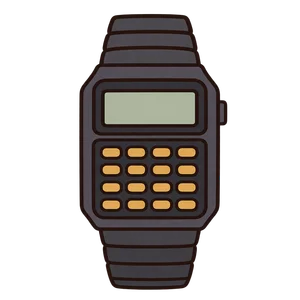
Calculator Watch
A digital wristwatch with a built-in calculator…
Reads at Grades 3–5 Listens at Grades 1–5
Print & create
Answer keys·No prep·Free with an account
28 worksheets · answer keys · full story · quiz · Ages 8-10 · CEFR B1
Plus adds 291,000+ more stories in 27 languages, audio for every one, and printables for all of them.
Just want Calculator Watch?
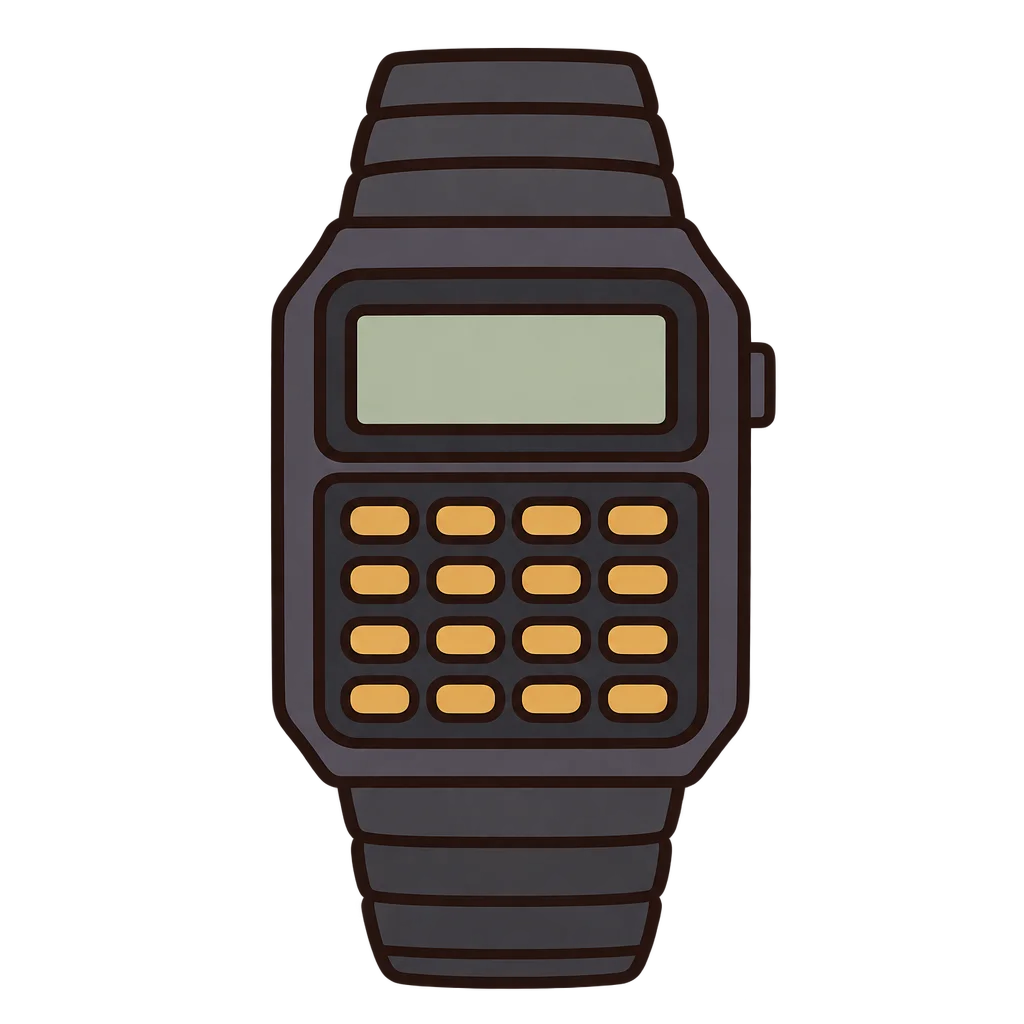
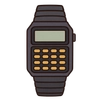
Hello. It’s me, the Calculator Watch. It’s nice to meet you from my home right here on your wrist. Can you imagine a world where you had to carry a separate, clunky device in your pocket just to do a little bit of math? It seems silly now, but that’s how it used to be. People had watches to tell time and calculators to do sums. They were two different things. Then, in the mid-1970s, a brilliant idea sparked to life: why not combine them? That’s when I was born. I was a revolution wrapped in a tiny package. I could tell you it was 3 o'clock, and in the next second, I could help you figure out how much your groceries would cost. Suddenly, the future wasn't just in movies or books; it was blinking with tiny digital numbers right on people's arms. I wasn't just a tool; I was a glimpse into a world where technology could be personal, portable, and part of your everyday life. I solved the problem of juggling devices and made people feel like they had a tiny superpower with them at all times.
My first moments in the world were truly electrifying. Imagine the year is 1975. A company named Pulsar revealed one of my earliest ancestors. I was made of shiny gold and cost a fortune. When someone pressed one of my tiny buttons, my red LED screen would glow with numbers, as if by magic. People would gather around just to watch me add 2 plus 2. It was astonishing to them. Many watches before me had hands that swept around in a circle. And while some digital watches had already appeared with glowing numbers, I was something new. I didn't just tell time on my dark screen; I could perform calculations, lighting up with information that no watch had shown before. A couple of years later, in 1977, another brilliant company called Hewlett-Packard created a version of me called the HP-01. I was even smarter, with more buttons and more complex math abilities. My first versions were a bit chunky, and you sometimes needed a special tool, like the tip of a pen, to press my tiny buttons. But the challenge of using me was part of the fun. I was a puzzle, a gadget, and a status symbol all in one. Owning me meant you were living on the cutting edge of technology.
I am the Calculator Watch
Hello. It’s me, the Calculator Watch. It’s nice to meet you from my home right here on your wrist. Can you imagine a world where you had to carry a separate, clunky device in your pocket just to do a little bit of math? It seems silly now, but that’s how it used to be. People had watches to tell time and calculators to do sums. They were two different things. Then, in the mid-1970s, a brilliant idea sparked to life: why not combine them? That’s when I was born. I was a revolution wrapped in a tiny package. I could tell you it was 3 o'clock, and in the next second, I could help you figure out how much your groceries would cost. Suddenly, the future wasn't just in movies or books; it was blinking with tiny digital numbers right on people's arms. I wasn't just a tool; I was a glimpse into a world where technology could be personal, portable, and part of your everyday life. I solved the problem of juggling devices and made people feel like they had a tiny superpower with them at all times.
My first moments in the world were truly electrifying. Imagine the year is 1975. A company named Pulsar revealed one of my earliest ancestors. I was made of shiny gold and cost a fortune. When someone pressed one of my tiny buttons, my red LED screen would glow with numbers, as if by magic. People would gather around just to watch me add 2 plus 2. It was astonishing to them. Many watches before me had hands that swept around in a circle. And while some digital watches had already appeared with glowing numbers, I was something new. I didn't just tell time on my dark screen; I could perform calculations, lighting up with information that no watch had shown before. A couple of years later, in 1977, another brilliant company called Hewlett-Packard created a version of me called the HP-01. I was even smarter, with more buttons and more complex math abilities. My first versions were a bit chunky, and you sometimes needed a special tool, like the tip of a pen, to press my tiny buttons. But the challenge of using me was part of the fun. I was a puzzle, a gadget, and a status symbol all in one. Owning me meant you were living on the cutting edge of technology.
While my first few years were exciting, the 1980s were when I truly became a star. The spotlight found me, and I was ready for it. Companies in Japan, especially a clever one named Casio, figured out how to make me much more affordable and even more powerful. Suddenly, I wasn't just for rich businesspeople anymore. I was on the wrists of students in classrooms, kids at the arcade, and cool characters in movies. Casio gave me a new name: the Databank. This meant I could do more than just calculate; I could store information. I became a tiny digital address book that could hold phone numbers. I had alarms, a stopwatch for timing races, and a calendar to remember important dates. I felt so proud when I saw myself in movies. An actor named Michael J. Fox wore a version of me in the famous film 'Back to the Future.' I was no longer just a gadget; I was a must-have fashion accessory. I came in sleek silver, cool black, and even gold. Having me on your wrist told the world you were smart, stylish, and ready for whatever the future might bring. I was a symbol of an entire decade of innovation and fun.
Like all stars, my time in the brightest spotlight eventually began to fade. New inventions came along, like mobile phones, that could do everything I could do and so much more. People could now carry a calculator, a calendar, and a phone book all in one device that they kept in their pocket. For a while, I felt a little forgotten. But a funny thing happened. I never truly went away. People started to look back and remember how special I was. Today, I am considered a retro classic. Wearing me is a cool nod to the past and the amazing technology of the 1980s. More importantly, I helped inspire the gadgets that came after me. Look at the smartwatches of today. They can do almost anything, from tracking your steps to sending messages. I like to think of them as my grandchildren. I was one of the very first to prove that a watch could be more than just a timepiece. I showed the world that big, world-changing ideas can sometimes come in very small packages.
Wow facts
About
A digital wristwatch with a built-in calculator, first introduced in the mid-1970s and popularized in the 1980s by brands like Casio and Timex.
Take a Quiz
Question 1 of 5
The story says I became a 'must-have fashion accessory.' What does the word 'accessory' mean in this sentence?
Explore next



Want to do even more?
Go beyond exploring. Unlock tools that turn every story into real learning.

Storypie Plus for families
Full stories, quizzes, and printables. Nights and car rides, sorted.
- Unlimited audio stories
- Create Mode: your child stars in the story
- Offline downloads
- Printable worksheets & coloring pages

Why Storypie for Schools
Students engaged. Prep in seconds. Evenings back to you.
- Worksheets & Quizzes
- Classroom Management
- Formative Assessment
- Custom Curriculum & Lesson Plans
- 27 Languages

Why Storypie for Homeschool
Curriculum done. They'll ask for more. Hours back in your day.
- Worksheet Generator
- First-Person Audio Stories
- Built-in Comprehension Quizzes
- Custom Curriculum & Lesson Plans
- Print & Go Activities