

 English

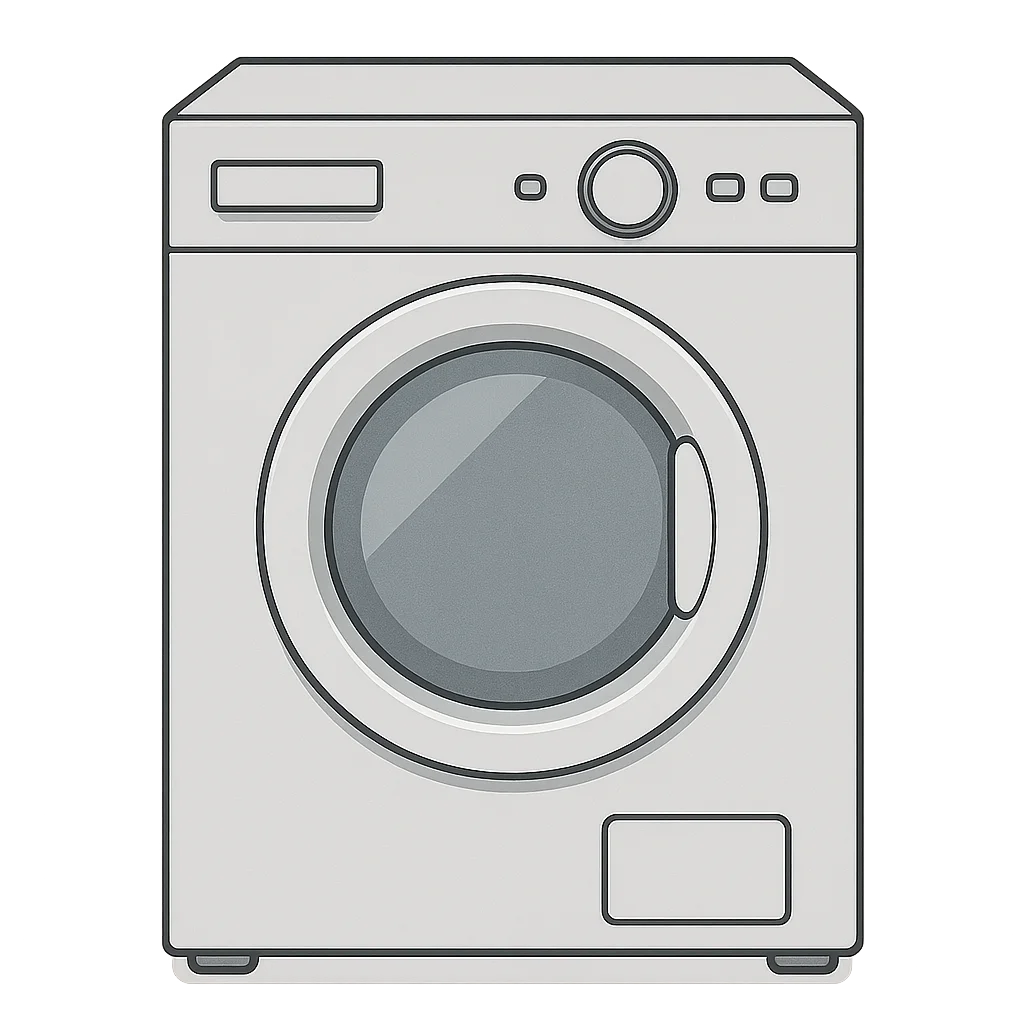
The Story of the Clothes Dryer
Hello, I'm your friendly clothes dryer. You probably know me as the warm, tumbling machine in your laundry room that makes your towels so fluffy. But have you ever wondered what life was like before I existed? Imagine a time when getting your clothes dry depended entirely on the weather. Families had long ropes in their yards called clotheslines, and they would pin every wet sock, shirt, and sheet to them. A bright, sunny day was a perfect day for laundry. But what happened if a sudden rainstorm rolled in? Everything would get soaked all over again. And in the long, cold winters, clothes hung outside would freeze solid like crunchy crackers. It was a constant challenge, and everyone wished there was an easier, more reliable way to have warm, dry clothes to wear.
My story begins a very long time ago, way back around the year 1800 in a country called France. That's where my earliest ancestor was born from the mind of an inventor named M. Pochon. He created something he called a 'ventilator.' It was a big metal drum with holes punched in it, and it had a handle on the side. People would put their damp clothes inside, and then they would have to turn the crank by hand, spinning the drum round and round over a fire. The heat from the fire and the spinning motion helped the water evaporate. It was a clever idea for its time, but it was also slow, and it made people’s arms very tired from all that cranking. Plus, having an open fire so close to your laundry was a bit tricky and not very safe.
My journey took a big leap forward when my story moved across the ocean to America. A brilliant inventor named George T. Sampson saw the early versions of me and knew there had to be a safer and more efficient way to use heat. He noticed that almost every home had a stove for cooking and warmth. He thought, why not use the heat that’s already there? On June 7th, 1892, he received a special document called a patent for his improved design. His version of me was a kind of metal cabinet with racks inside. Families could hang their clothes on the racks, and the whole machine would be placed near their stove. The warm air from the stove would circulate through me, drying the clothes gently and safely. It was a fantastic improvement because it did away with the need for a dangerous open fire just for laundry. This made drying clothes indoors much faster and gave families peace of mind.
As the world kept changing, a new kind of power started lighting up homes: electricity. This new energy gave another inventor a spark of an idea. In the 1930s, a man named J. Ross Moore from North Dakota was determined to create an automatic version of me. He spent countless hours experimenting in his shed, trying to build a machine that could tumble clothes all on its own using electricity. It was not an easy task. He built many models that didn't work quite right, but he never gave up. Finally, he succeeded in creating both a gas-powered model and an electric one that worked beautifully. He knew his invention could help so many people, so he sold his idea to the Hamilton Manufacturing Company. Starting in 1938, they began building and selling electric dryers just like me to families all across the country. I could finally hum and spin with my own power.
A world of warm, fluffy towels was born. From that point on, I completely changed laundry day. I gave people the amazing gift of freedom from the weather and, most importantly, the gift of time. No longer did families have to plan their whole day around sunshine or worry about a sudden downpour. Instead of spending hours hanging clothes on a line and taking them down, they could be doing other things they enjoyed, like reading, playing, or spending time together. Looking back, I’m proud of how I turned a difficult chore into a simple, predictable task. Today, I'm still humming away in laundry rooms around the world, always getting smarter and using less energy. But my favorite job will always be the same: delivering a warm, fluffy hug in the form of a perfectly dry t-shirt.
Activities
Take a Quiz
Test what you learned with a fun quiz!
Get creative with colors!
Print a coloring book page of this topic.














 Free for Educators