English

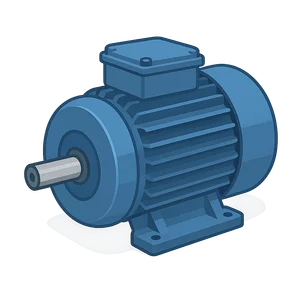
Electric Motor
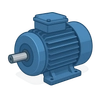
A device that converts electrical energy into mechanical motion…
Reads at Grades 3–5 Listens at Grades 1–5
Print & create
Answer keys·No prep·Free with an account
28 worksheets · answer keys · full story · quiz · Ages 8-10 · CEFR B1
Plus adds 279,000+ more stories in 27 languages, audio for every one, and printables for all of them.
Just want Electric Motor?
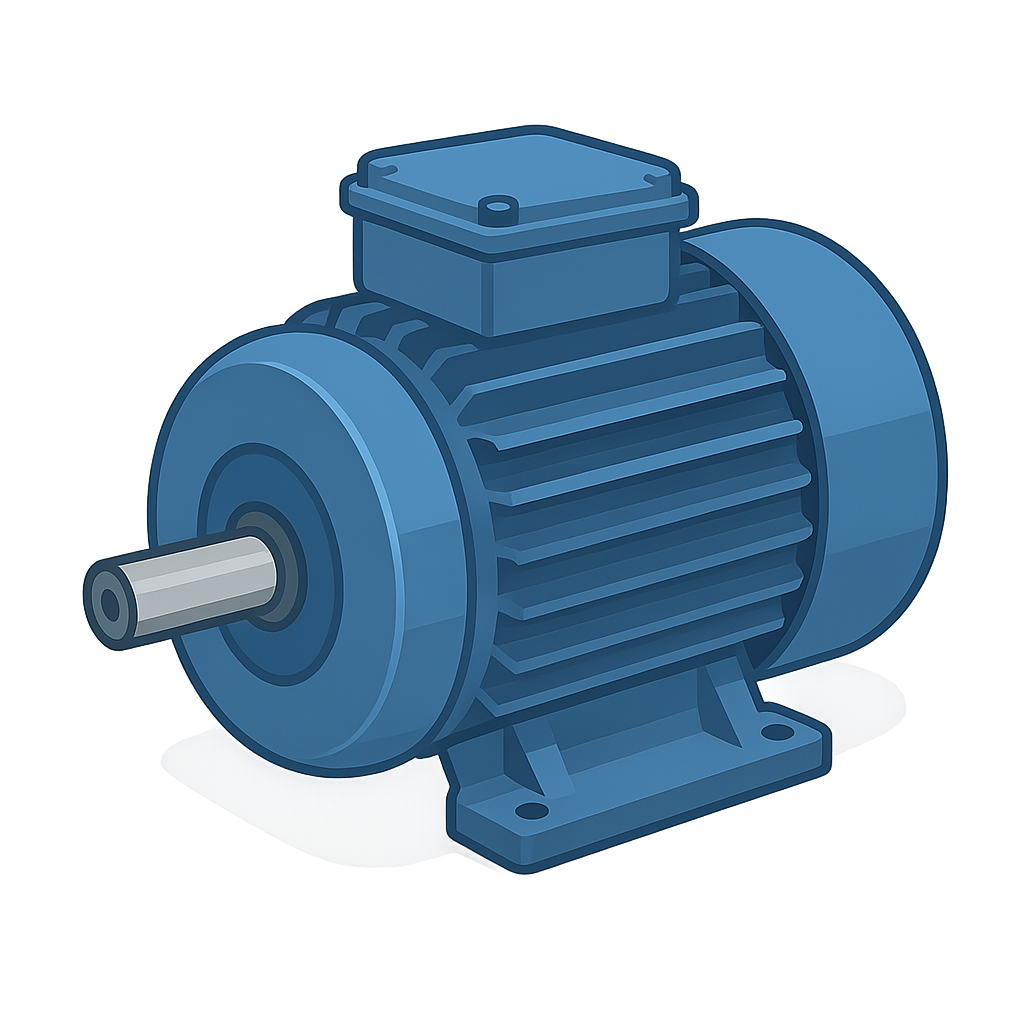
Hello there. You might not see me, but I bet you can hear me whirring and humming all around you. I am the Electric Motor, and I am the spinning heart inside so many things you use every single day. Before I came along, the world was a much louder and slower place. If you wanted something to move, you had to rely on the power of muscles, like a horse pulling a heavy cart, or the puffing of the wind turning a giant windmill, or the hissing and chugging of a mighty steam engine. It was a world of hard work. But all that time, there was a secret, invisible magic hiding in plain sight. This magic had two parts: electricity and magnetism. They were like two dance partners who had never been properly introduced. Electricity was a zippy, energetic force, and magnetism was a steady, powerful pull. They were just waiting for a clever human to see that if they worked together, they could create motion, a spin, a whirr, a force that could change everything.
My story of learning to spin began with curious minds who looked at the world and asked, “What if?”. It all started in 1820 with a man named Hans Christian Ørsted. One day, while teaching, he noticed that when he turned on an electric current in a wire, the needle of a nearby compass wiggled and danced. It was the first time anyone had seen my two secret partners, electricity and magnetism, greet each other. It was like the first note of a brand-new song. Just a year later, in 1821, another brilliant person named Michael Faraday heard that note and decided to teach them a real dance. He cleverly arranged a wire and a magnet so that when electricity flowed, the wire began to spin around and around in a circle. That was me. It was my very first movement. I was just a tiny, wobbly thing, but I was spinning. I was alive with purpose. For years, I was mostly a curiosity in labs, but then a blacksmith from Vermont named Thomas Davenport saw me and knew I was meant for more. He believed I could do real work. He tinkered and improved me, making me stronger and more reliable until, on February 25th, 1837, he received a patent for his design. That patent was like my official birth certificate, telling the world I was ready to get to work.
The Little Motor That Could
Hello there. You might not see me, but I bet you can hear me whirring and humming all around you. I am the Electric Motor, and I am the spinning heart inside so many things you use every single day. Before I came along, the world was a much louder and slower place. If you wanted something to move, you had to rely on the power of muscles, like a horse pulling a heavy cart, or the puffing of the wind turning a giant windmill, or the hissing and chugging of a mighty steam engine. It was a world of hard work. But all that time, there was a secret, invisible magic hiding in plain sight. This magic had two parts: electricity and magnetism. They were like two dance partners who had never been properly introduced. Electricity was a zippy, energetic force, and magnetism was a steady, powerful pull. They were just waiting for a clever human to see that if they worked together, they could create motion, a spin, a whirr, a force that could change everything.
My story of learning to spin began with curious minds who looked at the world and asked, “What if?”. It all started in 1820 with a man named Hans Christian Ørsted. One day, while teaching, he noticed that when he turned on an electric current in a wire, the needle of a nearby compass wiggled and danced. It was the first time anyone had seen my two secret partners, electricity and magnetism, greet each other. It was like the first note of a brand-new song. Just a year later, in 1821, another brilliant person named Michael Faraday heard that note and decided to teach them a real dance. He cleverly arranged a wire and a magnet so that when electricity flowed, the wire began to spin around and around in a circle. That was me. It was my very first movement. I was just a tiny, wobbly thing, but I was spinning. I was alive with purpose. For years, I was mostly a curiosity in labs, but then a blacksmith from Vermont named Thomas Davenport saw me and knew I was meant for more. He believed I could do real work. He tinkered and improved me, making me stronger and more reliable until, on February 25th, 1837, he received a patent for his design. That patent was like my official birth certificate, telling the world I was ready to get to work.
And get to work, I did. At first, I was small, powering simple machines. But soon, I was whirring into every corner of the world. Think about a hot day. That cool breeze you feel from a fan. That’s me, spinning the blades. Think about making a delicious smoothie. That loud whizzing sound as the fruit gets blended. That’s me, too. I am the hum inside your refrigerator keeping your food cold, the zip in your electric toothbrush, and the zoom in your favorite remote-controlled car. I learned to power giant things, too, like elevators that lift people to the tops of skyscrapers and electric trains that glide silently and swiftly across the countryside. Every day, I help make life easier, faster, and more fun. And my story isn’t over. Looking back, I see how I helped change the world, but I am even more excited for the future. Today, I am the strong, quiet heart inside electric cars, helping people travel without making the air dirty. I am proud to keep spinning, helping to power a cleaner, brighter world for everyone. My dance is not finished yet.
Wow facts
About
A device that converts electrical energy into mechanical motion, powering countless machines from household appliances to industrial equipment and electric vehicles.
Take a Quiz
Question 1 of 5
The story says electricity and magnetism were waiting to 'dance together.' What does this really mean?
Explore next




Want to do even more?
Go beyond exploring. Unlock tools that turn every story into real learning.

Storypie Plus for families
Full stories, quizzes, and printables. Nights and car rides, sorted.
- Unlimited audio stories
- Create Mode: your child stars in the story
- Offline downloads
- Printable worksheets & coloring pages

Why Storypie for Schools
Students engaged. Prep in seconds. Evenings back to you.
- Worksheets & Quizzes
- Classroom Management
- Formative Assessment
- Custom Curriculum & Lesson Plans
- 27 Languages

Why Storypie for Homeschool
Curriculum done. They'll ask for more. Hours back in your day.
- Worksheet Generator
- First-Person Audio Stories
- Built-in Comprehension Quizzes
- Custom Curriculum & Lesson Plans
- Print & Go Activities