

 English

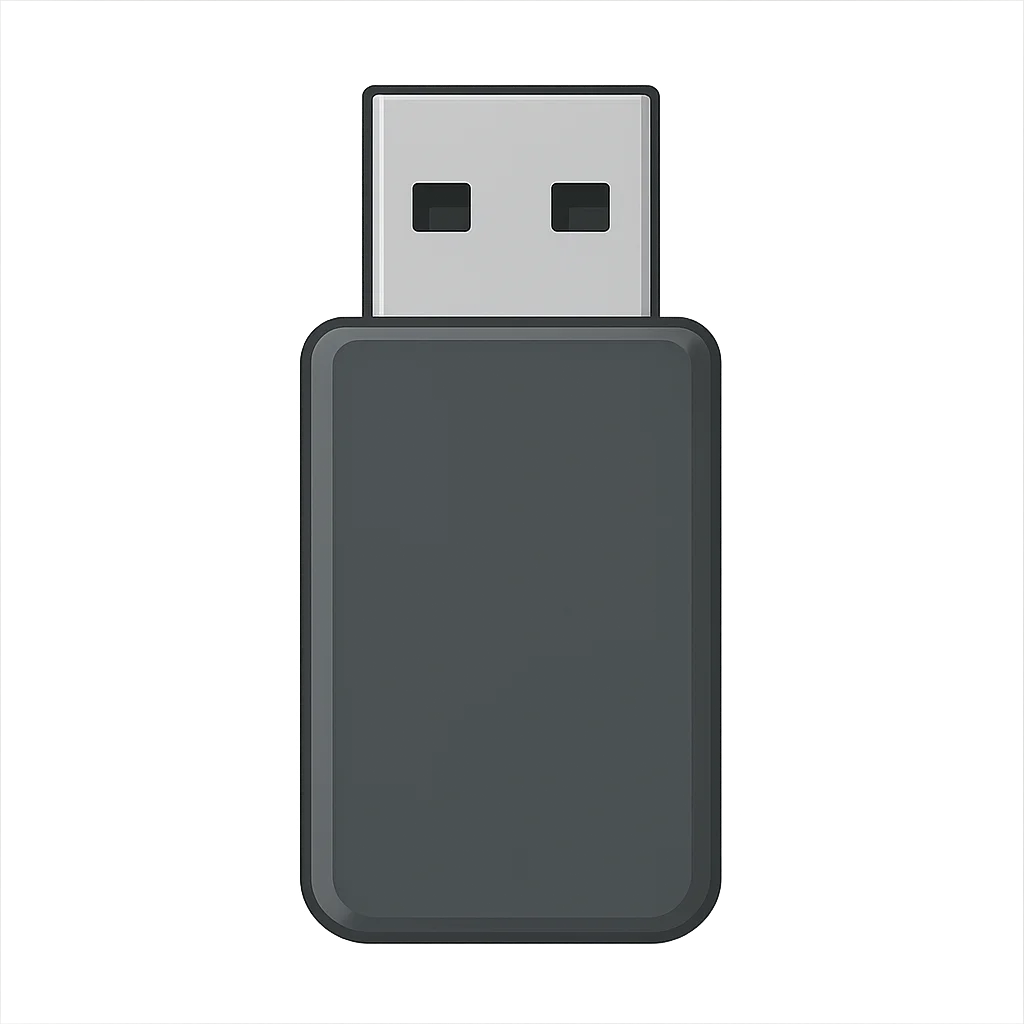
The Story of the Flash Drive
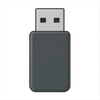
Hello there. You might not notice me at first, tucked into a desk drawer or dangling from a keychain. I’m small, sleek, and quiet. But don’t let my size fool you. I am a Flash Drive, and I am a tiny titan. Inside my plastic shell, I hold entire worlds. I can carry your favorite video game, a school report filled with colorful pictures, or hundreds of songs that make you want to dance. I am a pocket-sized library, a portable art gallery, and a secret keeper. Before I came along, carrying your digital creations was a real challenge. Can you imagine trying to fit your school project into something big, square, and floppy that could barely hold a few pages of text? It was a problem that needed a clever solution, and that's where my story begins.
Before I was born, the world relied on my ancestors, the floppy disks. They were like big, flat, plastic crackers, and they were quite clumsy. They made whirring and clicking sounds, and they couldn’t hold much at all. You’d need a whole stack of them just for one school presentation. People knew there had to be a better way. Around the world, brilliant minds were dreaming of something new. In Israel, an inventor named Dov Moran and his team at a company called M-Systems were working hard. They imagined a storage device with no moving parts, something that would be tough and reliable. At the same time, other inventors in places like Malaysia, including a man named Pua Khein-Seng, were working on similar ideas. My creation wasn't the work of just one person, but a team effort that brought two amazing technologies together. One was ‘flash memory,’ a super-smart chip that could remember information even with no power. The other was the Universal Serial Bus, or USB port, a friendly connector that could plug into almost any computer.
My big debut happened right around the turn of the century, in the year 2000. It was an exciting time, and I was an exciting new invention. I was officially born, a tiny stick that could hold 8 megabytes of data. That doesn't sound like much today, but back then, it was more than five floppy disks combined. People were amazed. They could suddenly carry important documents, photos, and music right in their pockets. There was no more fumbling with stacks of fragile disks. I was simple, I was strong, and I was small. And I grew up very, very quickly. Just like you grow taller each year, my memory grew bigger. Soon I could hold 16 megabytes, then 32, then hundreds. By the mid-2000s, I was measured in gigabytes, capable of holding thousands of high-quality photos or even entire movies. I became a must-have tool for everyone with a computer.
I changed the way people worked, learned, and played. I became a trusty sidekick for so many people. For a student, I was the bridge that carried a big project from the school library computer to the one at home. For an artist, I was a portable portfolio, showcasing digital paintings and designs to the world. For families, I was a time capsule, holding precious photos and videos to share with grandparents who lived far away. I helped people share their brightest ideas and their happiest memories with a simple click and plug. Looking back, I see how I helped make our digital world portable. And even if you use the cloud more often today, my spirit is everywhere. The very same flash memory technology that gave me my power is now tucked inside your smartphone, your tablet, and your digital camera, continuing my mission to help people store and share the things that matter most.
Activities
Take a Quiz
Test what you learned with a fun quiz!
Get creative with colors!
Print a coloring book page of this topic.








 Free for Educators