English
 For Schools
 For Homeschool

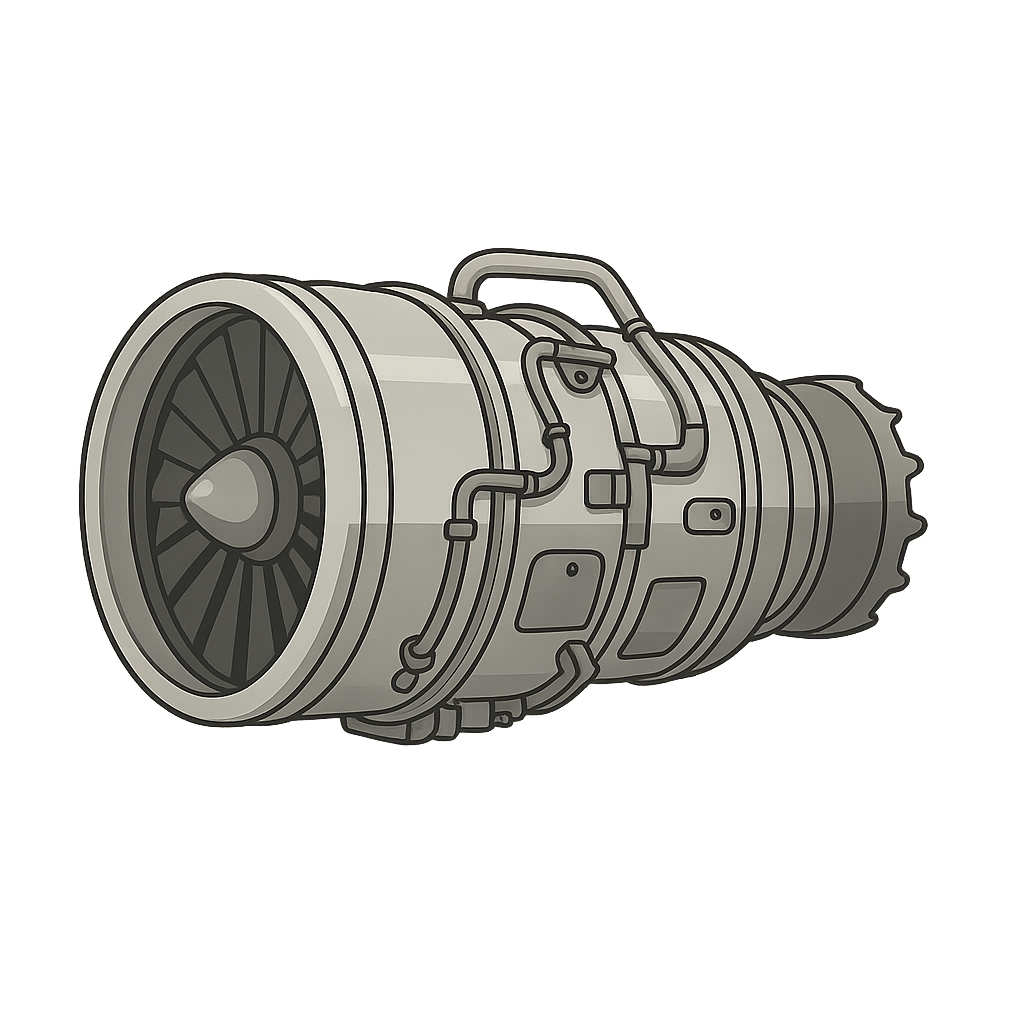
I Am the Jet Engine
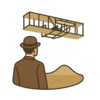
Before I was born, the sky belonged to my cousins, the propeller planes. They were magnificent, with their spinning blades chopping through the air, pulling airplanes across continents with a rhythmic, buzzing drone. For decades, they were the undisputed kings of the sky, carrying mail, explorers, and brave passengers. But they had their limits. They could only fly so high, where the air was thick enough for their propellers to bite into. They could only fly so fast, held back by the very tips of their spinning blades. Humanity, however, has always dreamed of more—of soaring higher into the thin, cold blue, of traveling faster than the sun, of shrinking the vast oceans and continents into manageable journeys. The world was waiting for a new kind of power, a new kind of roar. It needed an engine that didn't pull, but pushed. It needed a continuous, powerful breath, a mighty 'whoosh' that could propel humanity into a new age of travel. It was waiting for me, the Jet Engine.
I like to say I had two dads, brilliant men who dreamed of me in different countries, completely unaware of each other. My first father was a determined young pilot in the Royal Air Force in England named Frank Whittle. He saw the future of flight not in spinning blades, but in a torrent of hot gas. He sketched out my design and secured a patent for his idea on January 16th, 1930. But his vision was so radical, so different from everything that had come before, that he struggled for years to find anyone who would believe in him or invest in his work. He faced skepticism and financial hardship, but his perseverance was as powerful as the engine he dreamed of building. He knew I was possible, and he never gave up. Meanwhile, across the English Channel in Germany, another genius was having the very same idea. Hans von Ohain was a young physicist who also envisioned a new kind of engine. Unlike Frank Whittle, he quickly found support from an aircraft manufacturer named Ernst Heinkel. Together, they worked to bring me to life. The principle they both imagined was beautifully simple, yet revolutionary. I breathe in a massive gulp of air through my front, using powerful fans to squeeze it until it's incredibly dense and hot. Then, I mix that compressed air with a fine mist of fuel and ignite it. The result is a controlled, continuous explosion that creates a rush of super-heated gas, which blasts out of my rear nozzle at tremendous speed. It is this powerful, sustained push—what scientists call thrust—that propels an airplane forward with a force my propeller-driven cousins could only dream of.
My first taste of the sky was a moment of pure, roaring triumph. It happened in Germany on August 27th, 1939. Tucked inside a small, experimental aircraft called the Heinkel He 178, my heart of fire ignited. The sound I made was unlike anything the world had heard from an airplane before—not the choppy rhythm of a propeller, but a smooth, powerful, and continuous roar. I pushed the little plane off the runway and into the history books, proving that flight without a propeller was not just a dream, but a reality. I felt the air rush past me, clean and fast. A little less than two years later, it was my British family's turn. On May 15th, 1941, I was fitted into the sleek and beautiful Gloster E.28/39. As I powered it down the runway and lifted it into the English sky, Frank Whittle's years of struggle and unwavering belief were finally vindicated. On both of those days, I wasn't just an engine; I was a promise. I was the dawn of a new era, a signal that the world was about to become much, much smaller.
In the decades that followed my first flights, I fulfilled that promise. I am the reason you can have breakfast in New York and dinner in London on the same day. I am the reason families separated by oceans can reunite in a matter of hours, not weeks. I made air travel faster, but I also made it safer and smoother, flying high above the turbulent weather that buffeted the old propeller planes. By making flight more efficient, I made it accessible to millions of people, not just the wealthy or the adventurous. I helped connect businesses, share cultures, and allow people to see the wonders of their world with their own eyes. My journey is far from over. My basic design continues to be refined and improved, making me quieter, more powerful, and more efficient. From powering the passenger jets that crisscross our globe to the incredible machines that push spacecraft toward the stars, my roar is a sound of connection, exploration, and the unstoppable power of a good idea.
Activities
Take a Quiz
Test what you learned with a fun quiz!
Get creative with colors!
Print a coloring book page of this topic.