English
 For Schools
 For Homeschool

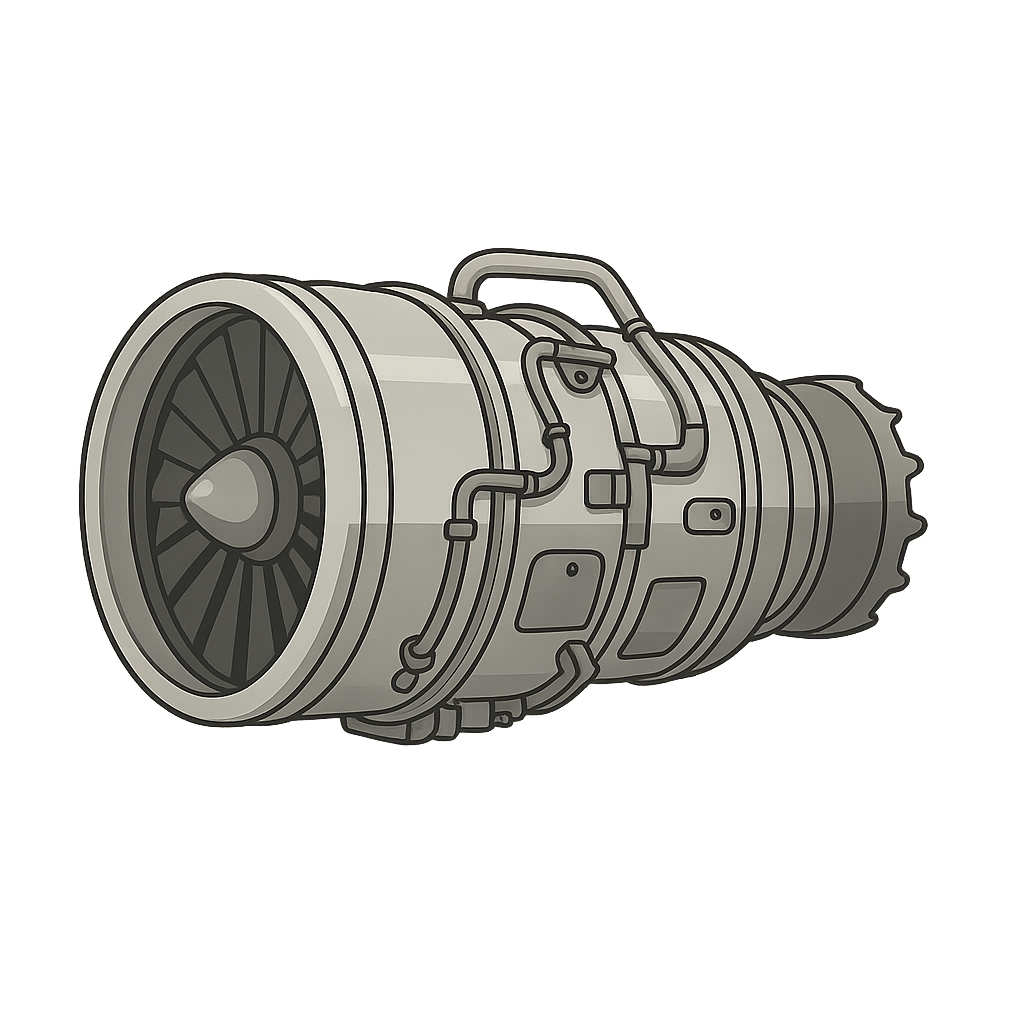
I Am the Jet Engine
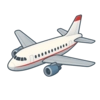
Before I was born, the sky was a much quieter place. Airplanes buzzed through the air, pulled along by big, spinning propellers on their noses. They looked like giant birds, flapping their way from one place to another. They were clever, those propeller planes, and they helped people see the world in a new way. But they had their limits. They couldn't fly very high, staying below the fluffy clouds where the air could be bumpy. And they couldn't fly very fast. Crossing a huge ocean was a long, slow journey. But deep in the minds of clever thinkers, a new dream was taking shape. People imagined flying higher than the tallest mountain, faster than the speediest bird. They dreamed of soaring through the stratosphere like a rocket, and that's where my story truly begins. I am the Jet Engine, and I was born from that very dream.
My story is special because I had two fathers, brilliant inventors who lived in different countries and didn't even know about each other! In England, a clever Royal Air Force officer named Frank Whittle sketched and dreamed of me. He knew there had to be a better way to fly. At the same time, across the sea in Germany, a young genius named Hans von Ohain was working on the very same idea. They both realized that instead of pulling a plane through the air with a propeller, you could push it from behind with a mighty, roaring blast. That's my secret. I work by taking a giant gulp of air in my mouth, squeezing it until it's super tight and hot, and then mixing it with a spray of fuel. When that mixture ignites, WHOOSH! A powerful river of hot gas blasts out of my back, pushing the airplane forward with incredible force. It's like blowing up a balloon and letting it go; the air rushing out one way sends the balloon flying the other. On August 27th, 1939, I took my very first flight in Germany. The ground shook with my roar! Then, on May 15th, 1941, my British brother took to the skies. In those moments, the world of flight changed forever. The age of propellers was ending, and my time had begun.
After those first exciting flights, my real job started: making the world a smaller, more connected place. Before I came along, a trip from Europe to America could take days on a ship or a very long time on a propeller plane. With my power, that same trip could be done in just a few hours. Suddenly, oceans didn't seem so wide, and faraway countries felt like neighbors. Families could visit each other more easily, business people could meet face-to-face, and explorers could reach distant lands they had only read about in books. I also lifted airplanes high above the weather, into the calm, smooth air of the stratosphere. This made flying much more comfortable for everyone on board. Looking back, I am so proud of how I've grown. My newer versions are much quieter than my first roaring self, and they are much smarter about using fuel to protect our planet. I am the engine that carries dreams across continents, and I love knowing that with every powerful push, I am helping to bring people all over the world just a little bit closer.
Activities
Take a Quiz
Test what you learned with a fun quiz!
Get creative with colors!
Print a coloring book page of this topic.