

 English

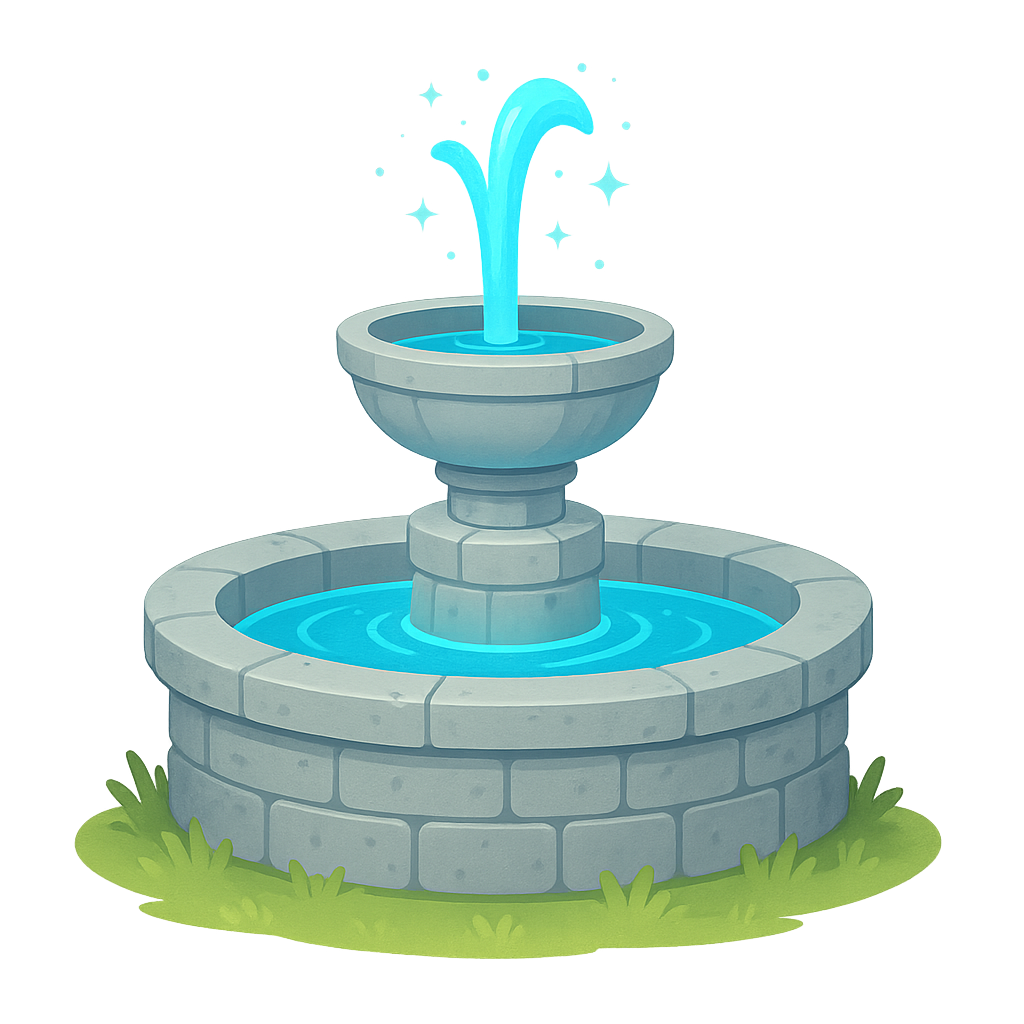
Ponce de León and the Fountain of Youth
A Whisper on the Wind
The warm Caribbean air feels heavy on my old shoulders, and the sea breeze carries the scent of salt and strange, sweet flowers. My name is Juan Ponce de León, and I have sailed across the great ocean in search of new lands for Spain. But lately, I've heard whispers, stories told by the Taíno people of these islands about a magical place, a hidden spring with waters that could wash away the years, making an old man young and strong again. This is the story of my search for the legendary Fountain of Youth. My heart, the heart of an explorer, beats faster at the thought. Could it be real? What would it feel like to sip water that could turn back time? The Taíno pointed north, to a place they called Bimini, and my mind was made up. I gathered my crew, prepared my ships, and set a course for the unknown. I was an old soldier and governor, but the promise of one last grand adventure, the greatest discovery of all, was a call I could not ignore. The idea of finding such a wondrous treasure was more exciting than finding a mountain of gold. It was a quest for life itself, a challenge whispered on the wind, and I was determined to answer it.
The Land of Flowers
On April 2nd, 1513, after weeks at sea, our lookout shouted, “Land ho.”. There it was, a coastline shimmering in the sun. It was a beautiful, flat land covered in thick, green forests and blooming with more colorful flowers than I had ever seen in my life. Because we arrived during the Easter season, which my people call 'Pascua Florida' or the 'Festival of Flowers,' I named this new discovery 'La Florida.' We went ashore, our heavy boots sinking into the soft, white sand. The air was alive with the buzz of a million insects and the loud calls of birds with feathers like jewels. Have you ever walked into a place that felt completely wild and untouched? That’s what it was like. We pushed through tangled vines and giant, leafy plants, always searching for a sign, a clue that would lead us to the magical spring. We followed streams that snaked through the wilderness, cupping our hands to taste the water from each one. Some were cool and fresh, others were warm and smelled of sulfur, like rotten eggs, but none of them made my gray beard turn brown or the wrinkles on my face disappear. We met the native people who lived there, the Calusa. They were strong and watchful, and when we asked them about a fountain of youth, they looked at us with confusion. Their stories were not of a fountain that gave eternal life, but of sacred pools and rivers that were important to their spirits and traditions. For months, we explored the coast, battling pesky mosquitoes, the thick, sticky humidity, and the disappointment that grew heavier with each passing day. The Fountain of Youth was nowhere to be found. It seemed to be just a story, a beautiful dream that had led me to this wild, untamed paradise.
A Different Kind of Treasure
I never found the Fountain of Youth. Perhaps it never existed at all, or perhaps it was a story whose real meaning I didn't fully understand. But as I sailed away from the beautiful coast of La Florida, I realized my journey was not a failure. I had found a vast, new land for my country, a place brimming with life and possibility. The legend that drove me there became more famous than ever before, a tale told around the world. Though I didn't find the fountain, the search for it has inspired people for centuries to dream and to explore. The story of the Fountain of Youth isn't really about finding a magical spring; it's about the human wish for more time, more energy, and more adventure. It reminds us that the world is full of wonders waiting to be discovered and that the journey itself is often more important than the destination. My name, Ponce de León, would forever be connected to this land of flowers and this incredible legend. Today, the story lives on in books, movies, and our own daydreams, sparking our imagination and encouraging us all to explore the beautiful, mysterious world around us, searching for our own kind of treasure.
Activities
Take a Quiz
Test what you learned with a fun quiz!
Get creative with colors!
Print a coloring book page of this topic.













 Free for Educators