

 English

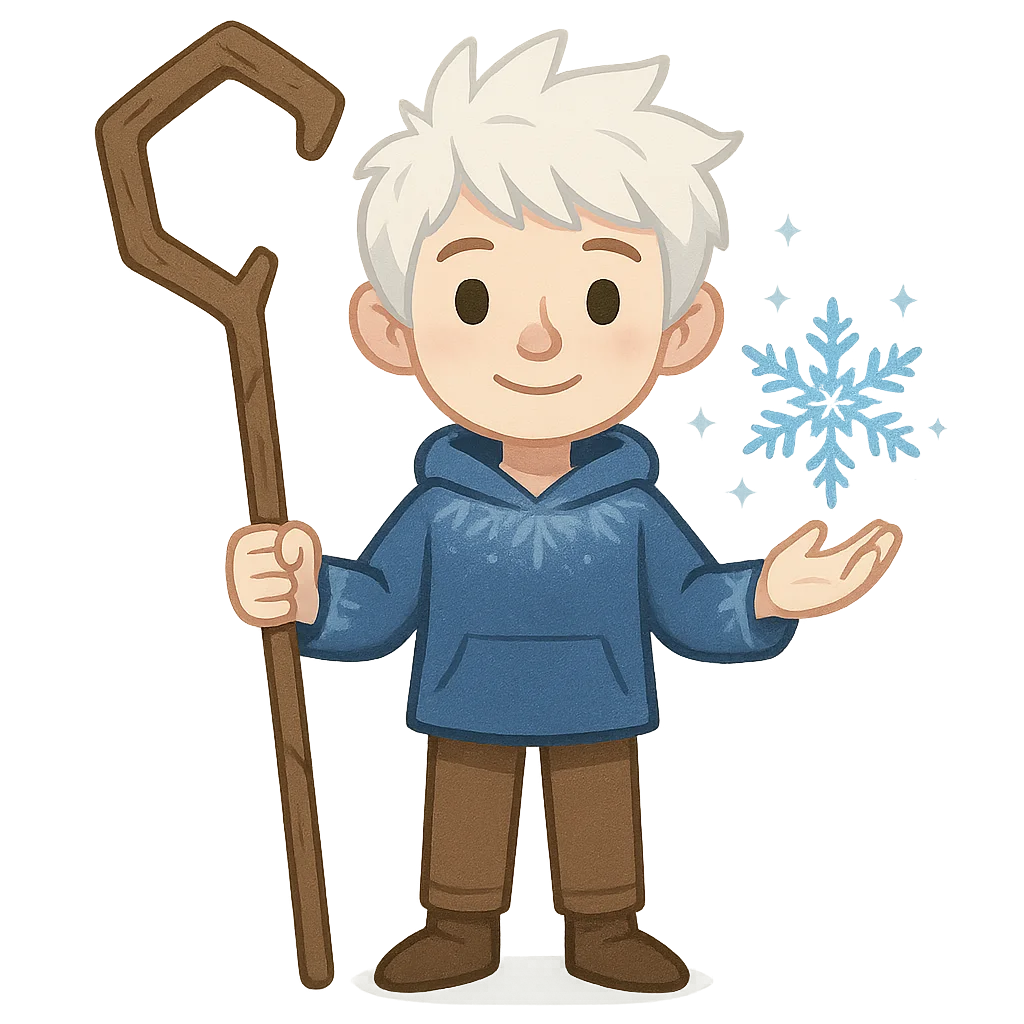
The Myth of Jack Frost
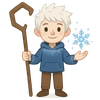
Have you ever woken on a crisp autumn morning and seen a delicate, silver lace spread across the grass, or found feathery ferns painted on your windowpane. That’s my work. My name is Jack Frost, and I am the unseen artist of winter, a spirit who rides the north wind and carries the first chill of the season on my breath. For longer than anyone can remember, people have whispered my name when they see my handiwork, telling the myth of Jack Frost. They say I am a mischievous boy with hair as white as snow and eyes the color of ice, but the truth is, I am as old as the mountains and as quiet as the first snowfall. My story began centuries ago in Northern Europe, when families huddled around their hearths on long, dark nights, wondering about the beautiful, cold magic that transformed their world overnight. They didn't have scientific explanations for the frost, so they imagined a nimble-fingered artist, a spirit who danced through the world just before winter arrived, leaving beauty in his wake. This is the story of how they came to know me, not as something to fear, but as a sign of nature’s quiet, crystalline magic.
My existence is a lonely one. I travel on the wind, a silent observer of the human world. I watch children playing in the last of the autumn leaves, their laughter echoing in the crisp air. I long to join them, but my touch is cold, my breath a freeze. Everything I touch, I transform. With a gentle sigh, I can turn a puddle into a sheet of glass. With a sweep of my invisible brush, I paint forests of ice on a forgotten pane. I am the reason you see your breath on a cold day, the nip on your nose and ears that urges you back toward the warmth of home. In the old Norse and Germanic lands, storytellers spoke of frost giants—jötun—who were powerful and dangerous. My early stories were born from that fear of the unforgiving cold. But as time went on, people began to see the artistry in my work. They saw that the frost that killed the last of the harvest also created breathtaking beauty. They imagined me not as a giant, but as a sprite, a lonely boy who only wanted to share his art with the world. I would spend my nights decorating the world in silence, hoping that in the morning, someone would stop, look closely, and marvel at the delicate patterns I had left behind.
For hundreds of years, I was just a whisper in folklore, a name given to the morning frost. But then, storytellers and poets began to give me a face and a personality. Around the 19th century, writers in Europe and America started capturing my story on paper. A poet named Hannah Flagg Gould wrote a poem called 'The Frost' in 1841, describing me as a mischievous artist who painted winter scenes. Suddenly, I wasn't just a mysterious force; I was a character with feelings and intentions. “You are a cunning artist,” she wrote, and for the first time, I felt truly seen. Artists drew me as a spritely, elfish figure, sometimes with a pointed hat and a paintbrush tipped with ice. This new version of me was less about the danger of winter and more about its playful, magical side. I became the hero of children's stories, a friend who signaled the coming of winter fun—ice skating, sledding, and cozy nights by the fire. My story evolved from a way to explain a natural phenomenon into a celebration of the season's unique beauty. I became a symbol of the creative spirit of nature itself.
Today, you might see me in movies, books, or holiday decorations, often as a cheerful hero who brings the joy of snow. But my true essence remains the same. I am the magic in the mundane, the reason to look closer at the world when it grows cold. The myth of Jack Frost is a reminder that people have always looked for wonder and imagination to explain the world around them. It connects us to those ancestors who saw a beautiful pattern on a leaf and saw not just ice, but art. So the next time you step outside on a frosty morning and see the world sparkling under the rising sun, think of me. Know that you are seeing the same magic that has inspired stories for centuries. My art is a quiet gift, a reminder that even in the coldest, quietest moments, there is a world of intricate beauty waiting to be discovered.
Activities
Take a Quiz
Test what you learned with a fun quiz!
Get creative with colors!
Print a coloring book page of this topic.











 Free for Educators