

 English

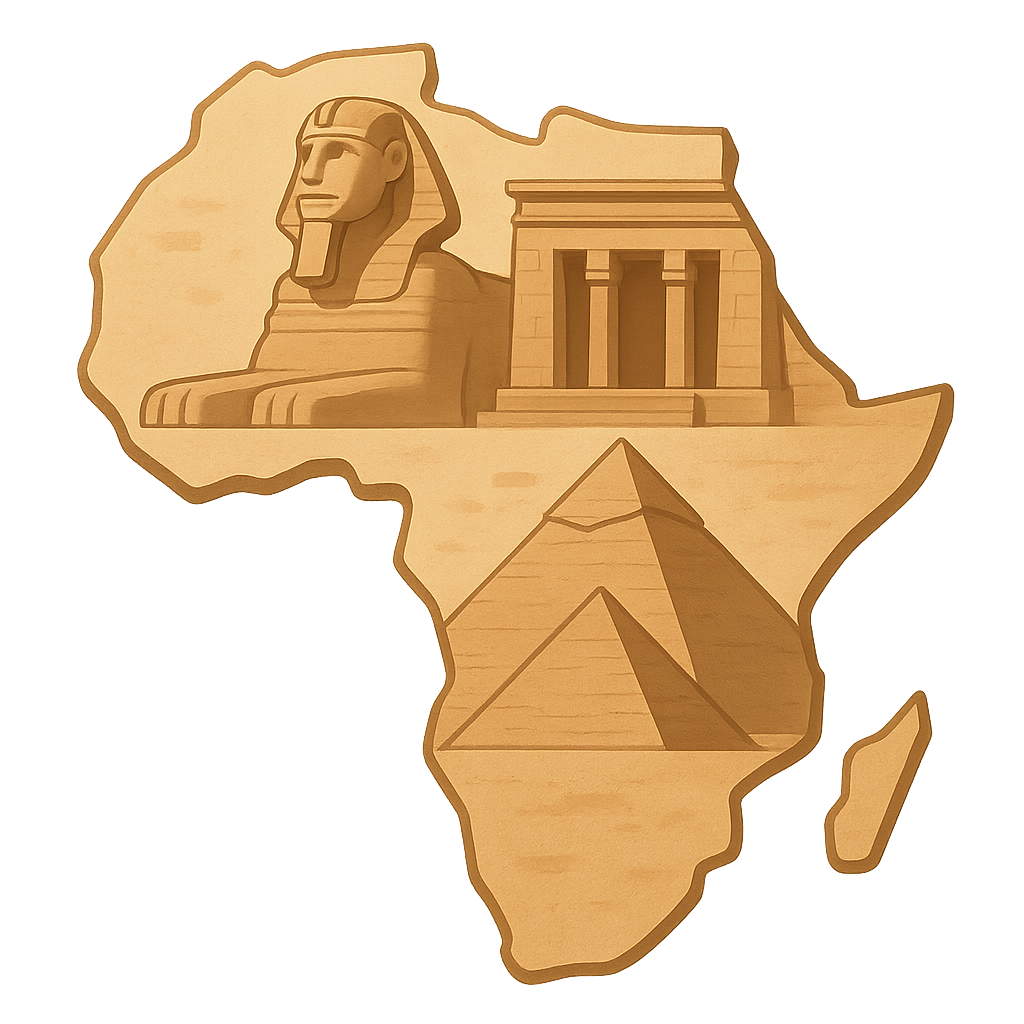
Africa: The Cradle of Humankind
Feel the sun on my golden sands, a warmth that stretches across the vast Sahara. Listen to the crash of two mighty oceans, the Atlantic and the Indian, as they kiss my shores. Look up at my snow-capped mountains, like Kilimanjaro, which scrapes the sky, and follow the paths of my great rivers, the life-giving Nile and the powerful Congo, as they carve their way through my lands. My soil is ancient, holding the deepest secret of all—that every human story began right here, within me. I have watched the stars turn for millions of years, a silent witness to the dawn of everything you know. I am Africa, the cradle of humankind.
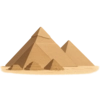
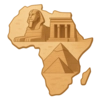
My story begins in the Great Rift Valley, a place where the earth itself split open to make way for a new beginning. It was here that the very first humans stood up and walked on two feet, their footprints marking the start of a great journey. One of their most famous descendants is a distant ancestor you call ‘Lucy’. Her bones, discovered on November 24th, 1974, are over three million years old and whisper the truth of my ancient human family. As my children grew wiser, they built magnificent civilizations. Along the Nile River, the people of Ancient Egypt built pyramids that reached for the heavens, monuments to their pharaohs and their gods. To the south, the powerful Kingdom of Kush thrived, its capital city Meroë famous for its skilled iron workers who forged tools and weapons. Farther south still, the builders of Great Zimbabwe created a mysterious and beautiful city of stone without any mortar to hold it together, a marvel of engineering. In the west, the Mali Empire grew fabulously wealthy from gold and salt. Its great leader, Mansa Musa, was one of the richest people in all of history, and he helped turn the city of Timbuktu into a world-famous center for learning, where scholars gathered in great universities to study and write.
My history, however, also holds chapters of deep sorrow. There came a time when ships arrived on my shores for a terrible purpose. During the transatlantic slave trade, millions of my children were captured and taken away from their homes, a wound that scarred my heart deeply. Later, strangers from across the sea came and drew new lines on my map, dividing my peoples and my lands without understanding our ancient connections. This was the age of colonialism, a difficult time when my children lost the freedom to rule themselves. Yet, the spirit of my people is like the ancient baobab tree—strong, deep-rooted, and resilient. It can endure drought and storm and still stand tall. In the 20th century, a powerful desire for freedom swept across my lands. One by one, my nations began to reclaim their independence. A truly joyous day was March 6th, 1957, when Ghana became one of the first to break free, its new flag a symbol of hope that inspired so many others to follow.
Today, I am a continent of 54 unique countries, a vibrant tapestry woven from thousands of different languages and cultures. My cities, like Lagos and Nairobi, buzz with energy and innovation. My children are creating new technologies, my musicians are making the whole world dance to new rhythms, and my artists and writers are telling my stories in their own powerful voices. My greatest strength, however, is my youth. I am an ancient land, but my heart is young, filled with the dreams and ambitions of hundreds of millions of young people. My story is far from over. In fact, a new chapter is just beginning, written by the hands of my brilliant sons and daughters. I am a continent of endless potential, and I invite you to watch as I dance brightly into the future.
Activities
Take a Quiz
Test what you learned with a fun quiz!
Get creative with colors!
Print a coloring book page of this topic.





 Free for Educators