English
 For Schools
 For Homeschool

The Ocean at the Top of the World
Imagine a place where the air is so crisp it tingles in your lungs and the sky puts on a magical light show. Swirling ribbons of green, purple, and pink dance above, reflecting on a vast, white blanket that stretches as far as you can see. This blanket is not made of snow, but of thick, floating ice. Below it, the deep, cold water hums with secrets. You might hear the mighty crack and groan of the ice shifting, a sound that echoes for miles. Or perhaps you’ll hear the gentle song of a beluga whale or the splash of a polar bear diving for its dinner. Narwhals with their single, long tusks slice through the chilly waves. This is the top of the world, a kingdom of ice and light where summer days can last for months and winter nights are lit by the stars and the glowing aurora. People have always looked at me with wonder, feeling both my power and my peacefulness. I am the Arctic Ocean.
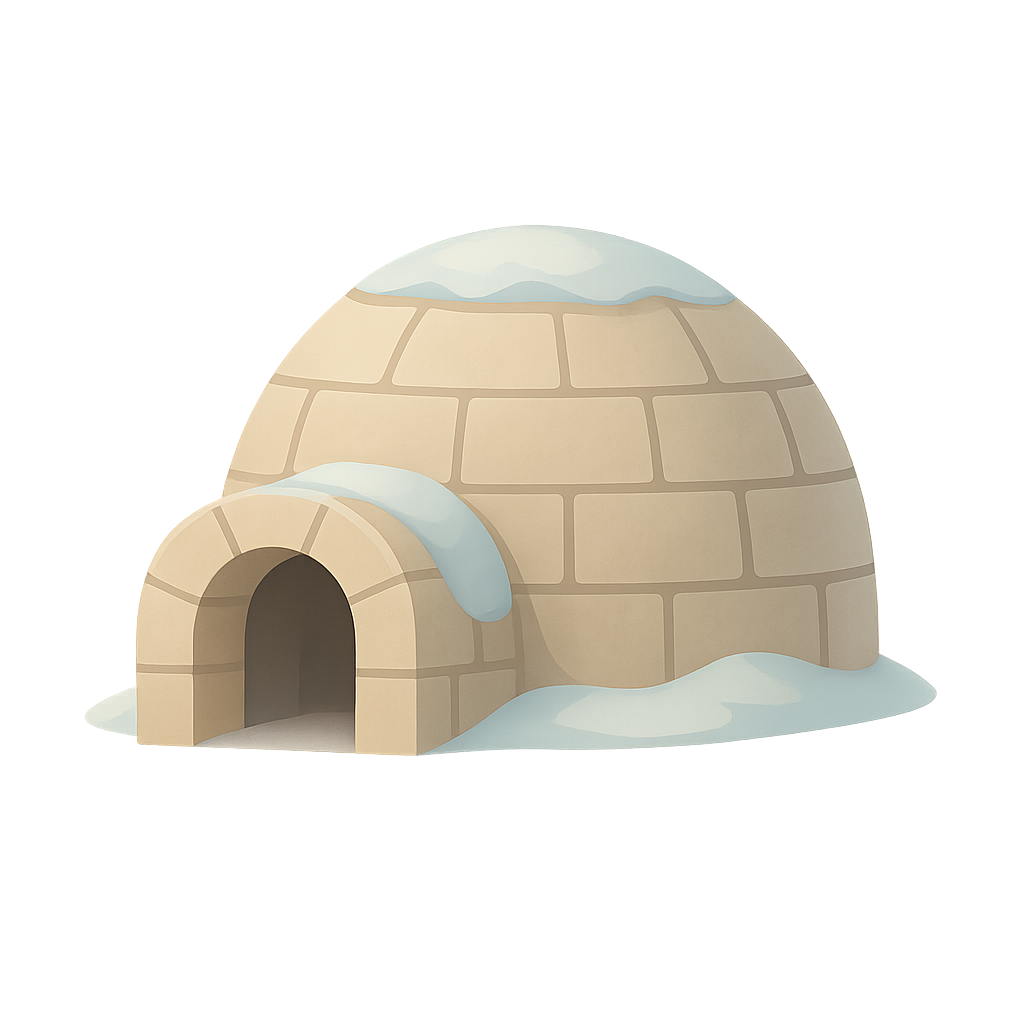
I have been here for millions of years, long before people drew maps or built ships. My waters churned and my ice formed and melted with the planet’s ancient rhythm. The first people to know me well were the Inuit. They didn’t see me as a challenge to be conquered, but as a home to be respected. They learned my secrets, understanding when my ice was safe to cross and where the seals would hunt. They built their homes along my shores and traveled across my frozen surface with sleds pulled by strong dogs. For centuries, they lived in harmony with my seasons. Then, explorers from far away heard stories of a possible shortcut through my waters—a way to sail from the Atlantic Ocean to the Pacific without going all the way around the continents. They called it the Northwest Passage, and it became a great puzzle they were desperate to solve. Many tried and failed, their wooden ships trapped and crushed by my powerful ice. But one brave man, Roald Amundsen, was patient and wise. Between 1903 and 1906, he and his crew carefully navigated my tricky channels, learning from the Inuit and waiting for the right moments to pass. After three long years, they finally made it all the way through, becoming the first to complete the legendary voyage.
While brave sailors like Amundsen conquered my surface, an even greater mystery lay hidden below: my deep, dark waters, sealed beneath a thick roof of permanent ice. For a long time, no one knew what was under the very top of the world. It was too dangerous and difficult to explore. But humans are curious, and they invented a new kind of ship that could travel where no other could: a submarine. In the middle of the Cold War, a powerful American submarine, the USS Nautilus, was given a top-secret mission. It was to do the impossible: travel completely underwater, beneath the ice, all the way to the North Pole. On August 3rd, 1958, the crew held their breath as their vessel glided silently through the darkness below me. They were the first humans to ever see this hidden world. They reached the North Pole, a place of pure ice and water, proving it could be done. Down in my depths, they passed through a world of strange and wonderful creatures that make their own light, like glowing jellyfish and ghost-like fish that thrive in the crushing pressure and icy cold.
My story is not just about exploration; it is about balance for the whole world. My bright white ice acts like a giant mirror, reflecting the sun's warm rays back into space. This helps keep the entire planet cool, like a giant refrigerator at the top of the globe. Today, scientists from all over the world visit me on special ships called icebreakers, which are strong enough to push through my frozen surface. They study my waters, my ice, and the incredible animals that depend on me, from the tiniest plankton to the largest whales. They are learning how I am changing and what it means for everyone. I am more than just a cold, faraway place. I am a home, a helper, and a reminder that there are always new wonders to discover and a beautiful world worth protecting.
Activities
Take a Quiz
Test what you learned with a fun quiz!
Get creative with colors!
Print a coloring book page of this topic.