

 English

The Mound of Memories: The Story of Çatalhöyük
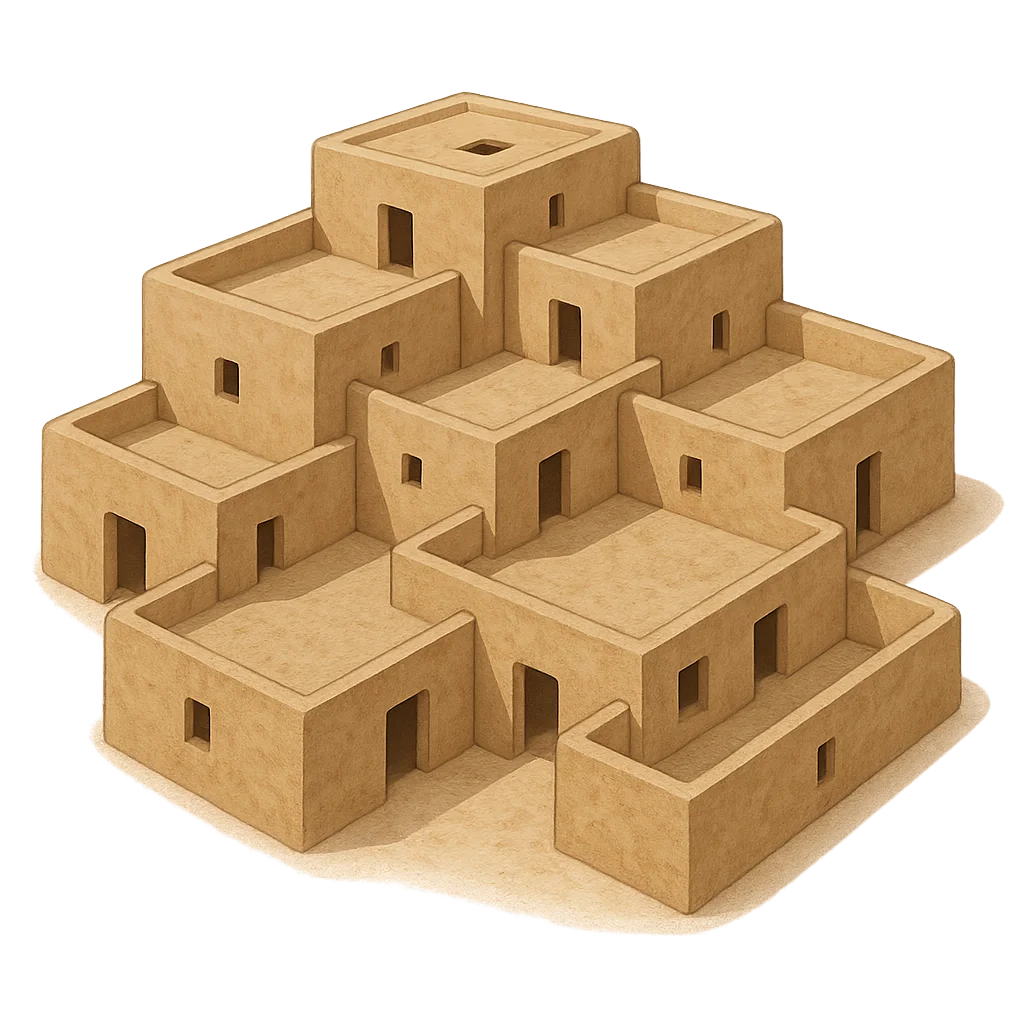
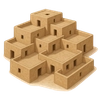
For thousands of years, I was a secret hidden in plain sight, a gentle mound rising from the wide, flat Konya Plain in what you now call Turkey. I am not a castle of cold stone or a tower of gleaming steel. I am made of earth, plaster, and the tightly packed secrets of thousands of families. Imagine a city built like a honeycomb, with no streets to walk on and no doors on the ground floor. My homes were nestled so closely together that they shared walls, creating one enormous, interconnected building. To get around, my people walked across my rooftops, a bustling highway of flat, earthen surfaces under the vast sky. When it was time to go inside, they climbed down sturdy wooden ladders through an opening in the ceiling, descending into the heart of their homes. It may sound strange to you, but this design kept them safe from wild animals and the harsh winds of the plain. Before the great pyramids were even a dream and long before the Roman Empire built its roads, I was here. I was a place where thousands of people lived, worked, and created one of the world's very first cities nearly 9,000 years ago. I am Çatalhöyük.
My story began a very long time ago, around 7500 BCE, during a time known as the Neolithic era. This was a revolutionary period when humans were learning to farm and build permanent homes for the first time. My first houses were carefully constructed from sun-dried mud bricks, and as new families arrived, they simply built their homes right next to existing ones. This is how I grew, layer upon layer, house upon house, into a sprawling community. Inside these homes, life was warm and full of purpose. A hearth was the center of every room, where families cooked their meals of roasted grains and wild game, its steady fire chasing away the chill of the night. My walls were not bare; they were the canvas for my people's beliefs and stories. They painted incredible scenes of hunting giant wild bulls, called aurochs, and decorated their spaces with intricate geometric patterns in red and black. These paintings were more than just decoration; they were a way to connect with the spiritual world and the powerful forces of nature. My people also had a unique way of honoring their families. When someone passed away, they were buried with care beneath the floor of the house. This meant that their ancestors were always with them, a constant presence and a part of the home's foundation. It was their way of saying that family connections never truly end. They were also skilled artisans and traders, crafting razor-sharp tools and beautiful mirrors from obsidian, a black volcanic glass that they acquired from mountains far away.
Like all things, my time as a bustling city of rooftops eventually came to an end. Around 5700 BCE, my last residents left, and the reasons are still a mystery to archaeologists. Perhaps the climate changed, or the nearby river shifted its course. Whatever the cause, I was slowly covered by layers of wind-blown dust and earth. For more than seven thousand years, I slept under this protective blanket, my stories waiting patiently to be rediscovered. My silence was finally broken in the 20th century. On a crisp autumn day, November 10th, 1958, a British archaeologist named James Mellaart arrived. He saw my unusual shape and began to dig, and what he found astonished the world. He carefully uncovered my tightly packed houses, my painted walls, and the first clues to the complex society that once thrived here. Decades later, on September 14th, 1993, a new chapter of my story began when another archaeologist, Ian Hodder, started a major international research project. His team used incredible modern science to learn even more about my past. By studying ancient pollen, animal bones, and human remains, they could figure out what my people ate, what plants they grew, and even what diseases they faced. They brought my world back to life with breathtaking detail.
Today, I am much more than just ancient ruins. I am a powerful lesson in community and resilience. I show the world that thousands of people learned to live together, share resources, and create a complex and artistic society long before kings, palaces, or written laws existed. There were no grand temples or rulers' mansions here; every house was important, and it seems people worked together as equals. In recognition of my importance to human history, I was named a UNESCO World Heritage site on July 1st, 2012. This ensures that I will be protected and studied for generations to come. Visitors from all over the world now come to see my excavated homes and marvel at the lives of the people who walked my rooftops. I am a reminder that the desire to build a home, create art, and live together in a community is a timeless human story, one that connects my mud-brick walls to the bustling cities of today.
Activities
Take a Quiz
Test what you learned with a fun quiz!
Get creative with colors!
Print a coloring book page of this topic.







 Free for Educators