

 English

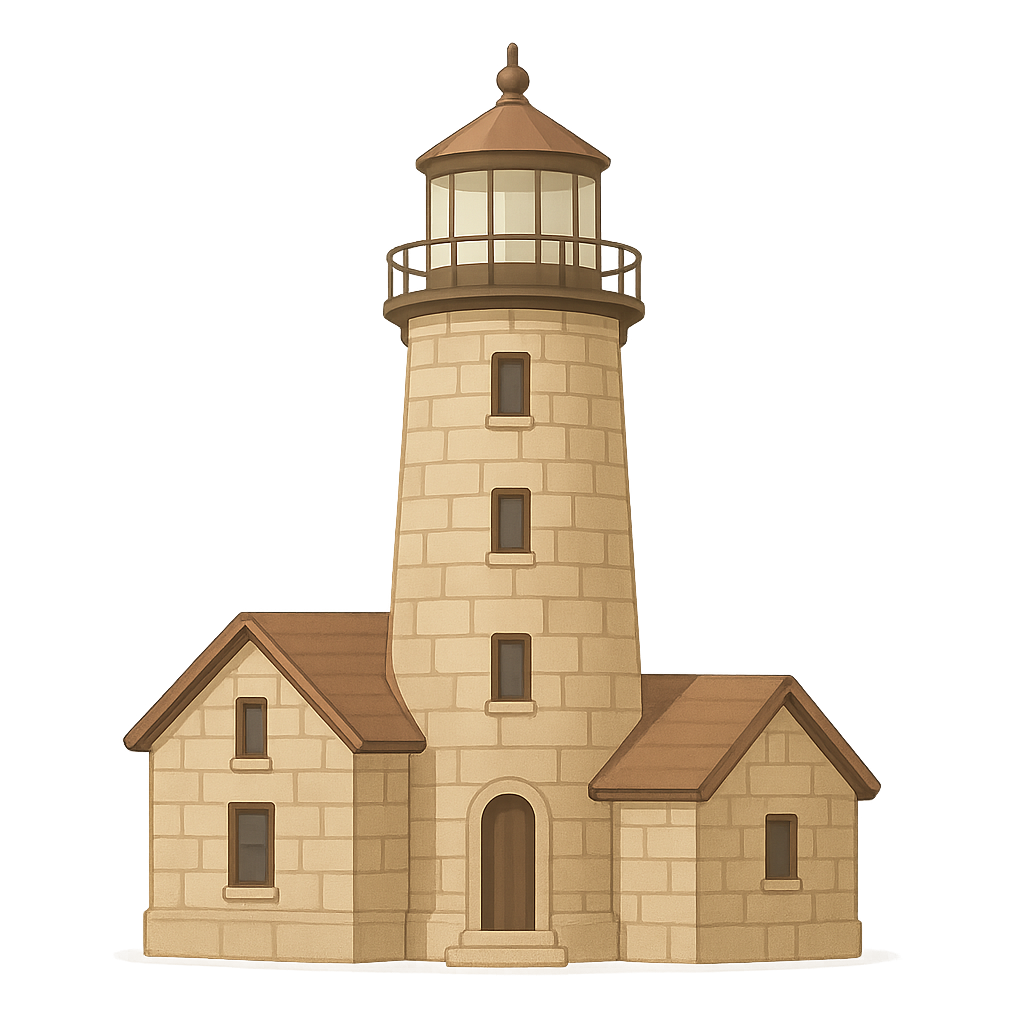
The Sweetwater Seas
Imagine a sea so big you can’t see the other side, but when you taste the water, it’s fresh and sweet, not salty at all. I am not just one body of water, but five giant sisters, all holding hands. My waters sparkle under the sun, stretching across a huge part of North America. My waves crash on sandy beaches and rocky cliffs. My oldest and biggest sister is named Superior. Then there is Michigan, who is the only one who stays entirely in one country. My other sisters are Huron, Erie, and Ontario. We are all connected, a chain of freshwater jewels. Together, we are the Great Lakes.
My story didn’t begin with a splash, but with a slow, powerful push. For thousands of years, long before there were any cities or roads, giant sheets of ice called glaciers covered the land. These glaciers were like enormous, frozen rivers, miles thick. They crept along, scraping and carving the earth beneath them. With unimaginable power, they dug out five enormous bowls in the ground. Then, about 14,000 years ago, the world began to warm up. The mighty glaciers started to melt, and all their icy water flowed into the deep basins they had carved. Slowly but surely, I was born from this melted ice, filling up to become the vast lakes you see today.
For centuries, my shores were home to the Anishinaabe peoples. They knew my every mood, from my calm summer days to my stormy autumn fury. They built incredible birchbark canoes, light enough to carry but strong enough to travel across my wide-open waters. They fished in my depths and built their homes near my shores, living in harmony with the seasons. Then, in the early 1600s, new people arrived in tall ships with cloth sails. An explorer named Étienne Brûlé was one of the first Europeans to see me, and he was amazed. He called me a 'sweetwater sea.' Soon, my waters became a busy 'water highway.' Big canoes and later, larger boats, carried beaver furs from the forests to trading posts, and I became a vital link connecting new towns and settlements, changing life on my shores forever.
Today, I am still a bustling water highway, but the canoes have been replaced by enormous ships called 'lakers.' These giants are so long they look like floating buildings. They don't carry furs anymore, but instead, they transport things like iron ore to make cars, and grain to make bread. They travel between big, busy cities like Chicago and Toronto, helping people get the things they need for their everyday lives. To help these huge ships travel all the way to the ocean, clever engineers built amazing things called canals and locks. The most famous of these is the St. Lawrence Seaway, which opened on April 25th, 1959. It’s like a water elevator that lifts and lowers ships, allowing them to travel from my sister Ontario all the way to the Atlantic Ocean and the rest of the world.
I am more than just a highway for ships. I am a home for countless fish, birds, and other animals. My waters provide fresh drinking water for millions of people who live near my shores. I give people a place to swim on hot summer days, to sail with the wind, and to sit quietly and watch the sun paint the sky with colors as it sets. I am a precious treasure, a gift from the icy past. Looking back, I see how much I have given to the land and its people. It is my hope that they will always help protect me, so that my sweet waters can continue to sparkle for many, many more years to come.
Activities
Take a Quiz
Test what you learned with a fun quiz!
Get creative with colors!
Print a coloring book page of this topic.










 Free for Educators