English

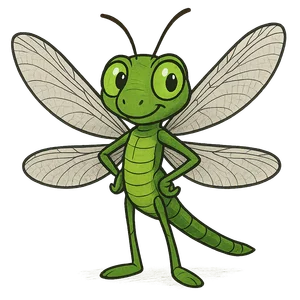
Dragonfly (Green Darner)
The Green Darner (Anax junius) is a large, migratory dragonfly species native to North America…
Reads at Grades K-2 Listens at K–3
Print & create
Answer keys·No prep·Free with an account
28 worksheets · answer keys · full story · quiz · Ages 6-8 · CEFR A2
Plus adds 244,000+ more stories in 27 languages, audio for every one, and printables for all of them.
Just want Dragonfly (Green Darner)?
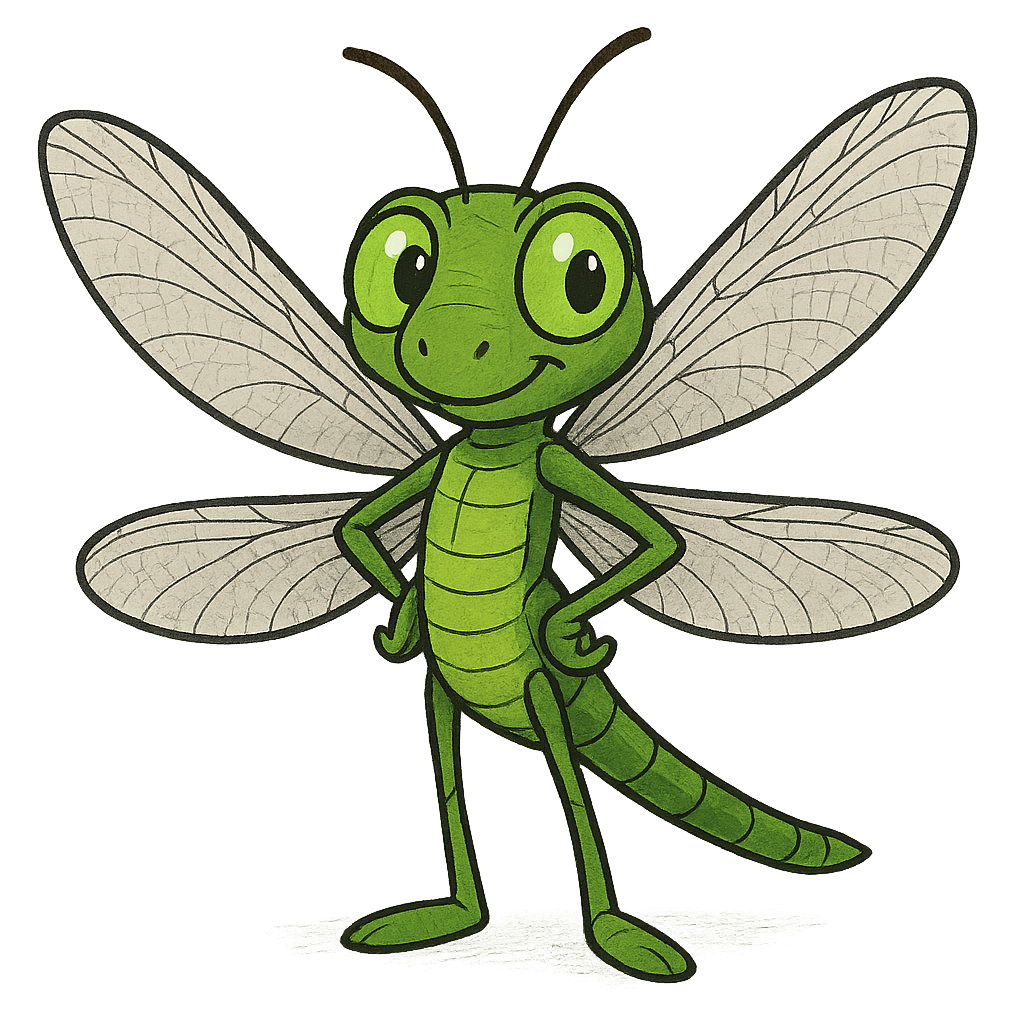
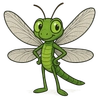
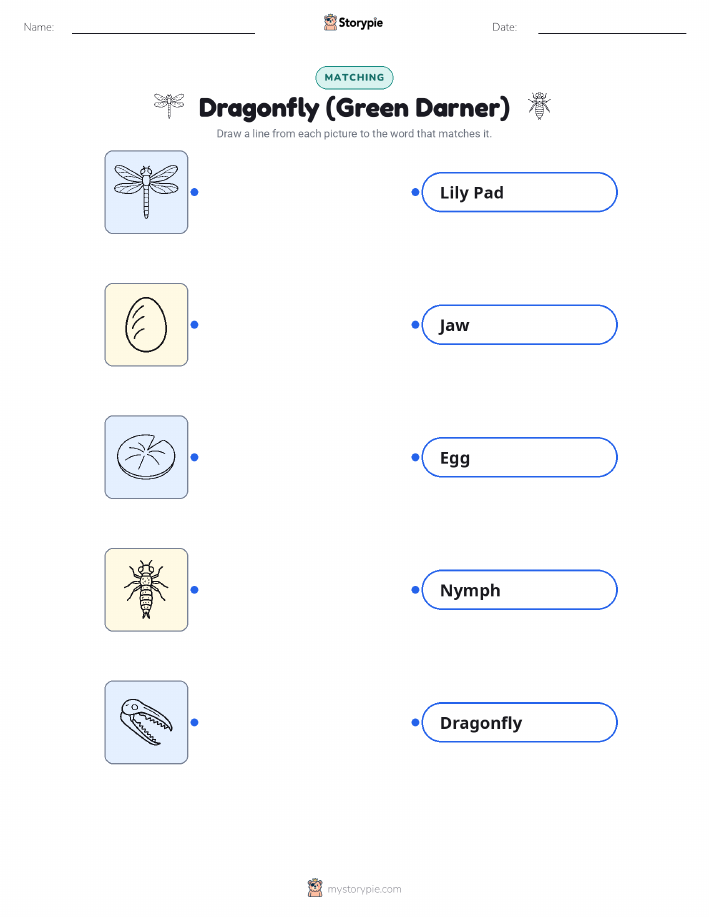
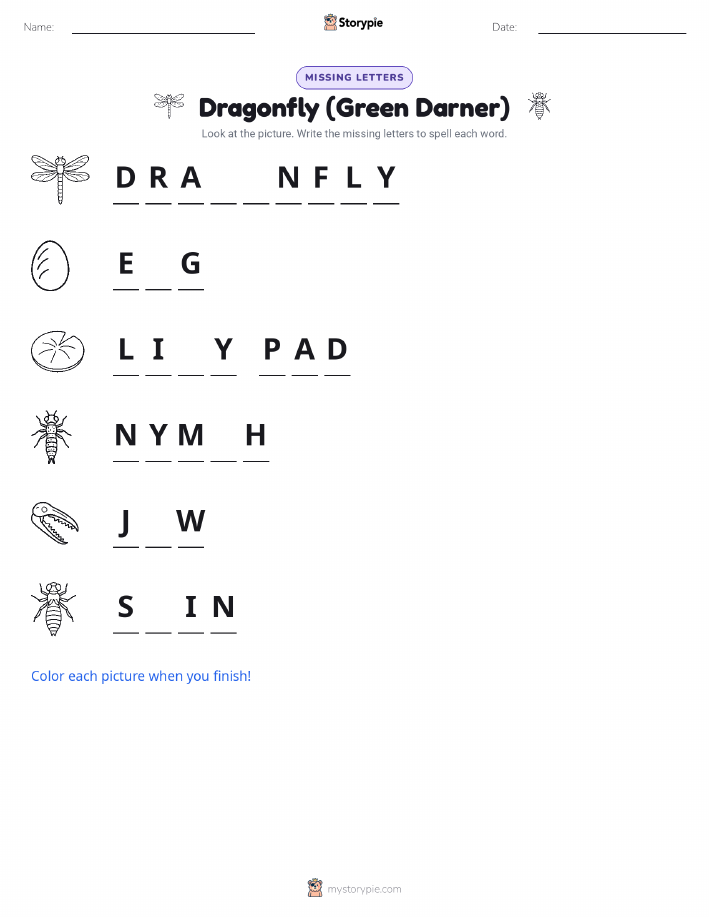
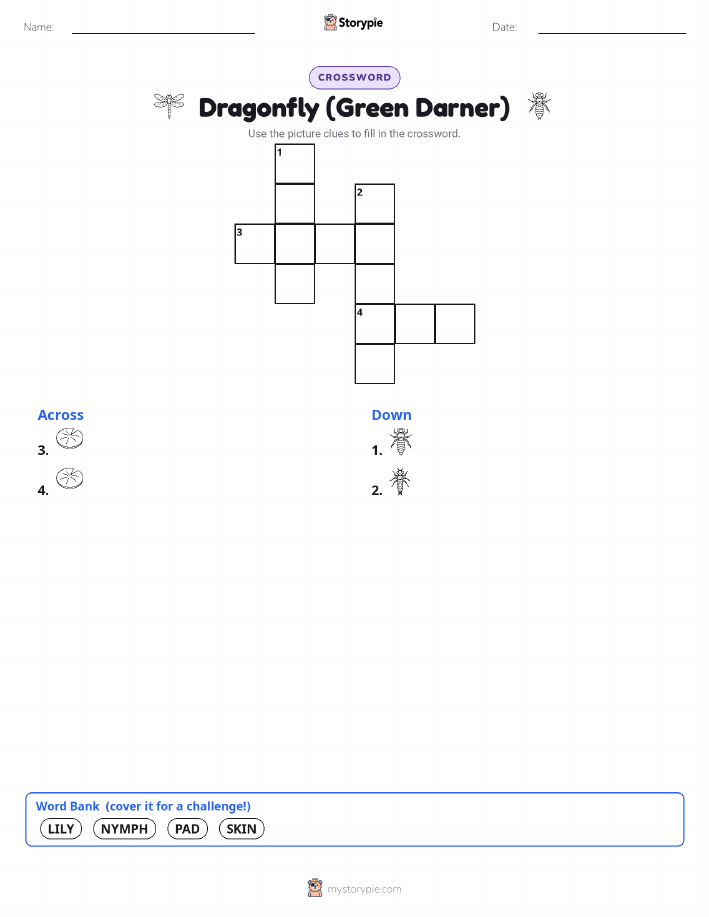
Hello there. My name is Green Darner, and I am a type of dragonfly. My story begins on a warm summer day when I hatched from a tiny egg resting on a water plant in a calm pond. The time spent in the pond as a nymph varies between a few months to a year, depending on the population. I wasn't a flying dragonfly yet; I was a nymph living completely underwater. It was a busy life. I breathed using special gills, just like a fish. I was also a great hunter. My jaw was amazing—it could shoot out super fast to grab my food. I spent my days catching yummy snacks like tadpoles and other tiny fish that swam by. Living underwater was a wonderful way to begin my life, growing bigger and stronger with each passing day as I explored my watery home.
When spring finally arrived, a feeling deep inside me said it was time for a big change. I knew I couldn't stay a nymph forever. I began a long climb, leaving the water for the very first time and crawling up the tall stem of a cattail plant. As I held on tight, something incredible happened. My back began to split open. It wasn't scary, it was just… time. I wiggled and pushed my way out of my old nymph skin. I was brand new. At first, my four wings were crumpled and wet, but I patiently waited in the warm sunshine. Slowly, I felt them stretch out and become smooth, strong, and clear. I was finally ready to fly.
Life in the sky was a whole new adventure. Everything looked so different from up high. My huge compound eyes were perfect for seeing the world in every direction at once. I could spot the tiniest movements from far away. And my wings, oh, my wings were powerful. Green Darner dragonflies can fly at speeds up to 35 miles per hour, though their wingbeat frequency is about 30 beats per second. I discovered that I was a fantastic flyer, and I used my skills to catch my food. I would zoom through the air, scooping up pesky mosquitoes and gnats for my lunch. It was fun to fly and hunt at the same time. People who saw me might have noticed my bright green body and my long, shiny blue tail, which is how I got my name, Green Darner.
A Dragonfly's Journey
Hello there. My name is Green Darner, and I am a type of dragonfly. My story begins on a warm summer day when I hatched from a tiny egg resting on a water plant in a calm pond. The time spent in the pond as a nymph varies between a few months to a year, depending on the population. I wasn't a flying dragonfly yet; I was a nymph living completely underwater. It was a busy life. I breathed using special gills, just like a fish. I was also a great hunter. My jaw was amazing—it could shoot out super fast to grab my food. I spent my days catching yummy snacks like tadpoles and other tiny fish that swam by. Living underwater was a wonderful way to begin my life, growing bigger and stronger with each passing day as I explored my watery home.
When spring finally arrived, a feeling deep inside me said it was time for a big change. I knew I couldn't stay a nymph forever. I began a long climb, leaving the water for the very first time and crawling up the tall stem of a cattail plant. As I held on tight, something incredible happened. My back began to split open. It wasn't scary, it was just… time. I wiggled and pushed my way out of my old nymph skin. I was brand new. At first, my four wings were crumpled and wet, but I patiently waited in the warm sunshine. Slowly, I felt them stretch out and become smooth, strong, and clear. I was finally ready to fly.
Life in the sky was a whole new adventure. Everything looked so different from up high. My huge compound eyes were perfect for seeing the world in every direction at once. I could spot the tiniest movements from far away. And my wings, oh, my wings were powerful. Green Darner dragonflies can fly at speeds up to 35 miles per hour, though their wingbeat frequency is about 30 beats per second. I discovered that I was a fantastic flyer, and I used my skills to catch my food. I would zoom through the air, scooping up pesky mosquitoes and gnats for my lunch. It was fun to fly and hunt at the same time. People who saw me might have noticed my bright green body and my long, shiny blue tail, which is how I got my name, Green Darner.
As the weather turned cooler in the fall, I felt that familiar feeling again—it was time for another change. This time, it was time for a great journey. I joined thousands of other Green Darner dragonflies, and together we all began to fly south for the winter. This trip is called migration, and it’s a very important part of my life. We traveled to find warmer weather where there was still plenty of food. Some days, we would fly for over a hundred miles. My job in the world is very helpful. By eating so many mosquitoes, I help keep everything in balance. Before my journey ends, I lay my eggs in water, inserting them into aquatic vegetation. In resident populations, the eggs hatch into nymphs that overwinter and emerge as adults the following summer. In migratory populations, eggs laid in spring develop into adults by late summer or early fall of the same year, so that a new generation of dragonflies can be born next summer and continue the amazing cycle of life.
Wow facts
About
The Green Darner (Anax junius) is a large, migratory dragonfly species native to North America, known for its bright green thorax, blue abdomen (in males), and its remarkable multi-generational migration.
Take a Quiz
Question 1 of 4
What did I use to breathe when I lived underwater as a nymph?
Explore next





Want to do even more?
Go beyond exploring. Unlock tools that turn every story into real learning.

Storypie Plus for families
Full stories, quizzes, and printables. Nights and car rides, sorted.
- Unlimited audio stories
- Create Mode: your child stars in the story
- Offline downloads
- Printable worksheets & coloring pages

Why Storypie for Schools
Students engaged. Prep in seconds. Evenings back to you.
- Worksheets & Quizzes
- Classroom Management
- Formative Assessment
- Custom Curriculum & Lesson Plans
- 27 Languages

Why Storypie for Homeschool
Curriculum done. They'll ask for more. Hours back in your day.
- Worksheet Generator
- First-Person Audio Stories
- Built-in Comprehension Quizzes
- Custom Curriculum & Lesson Plans
- Print & Go Activities