

 English

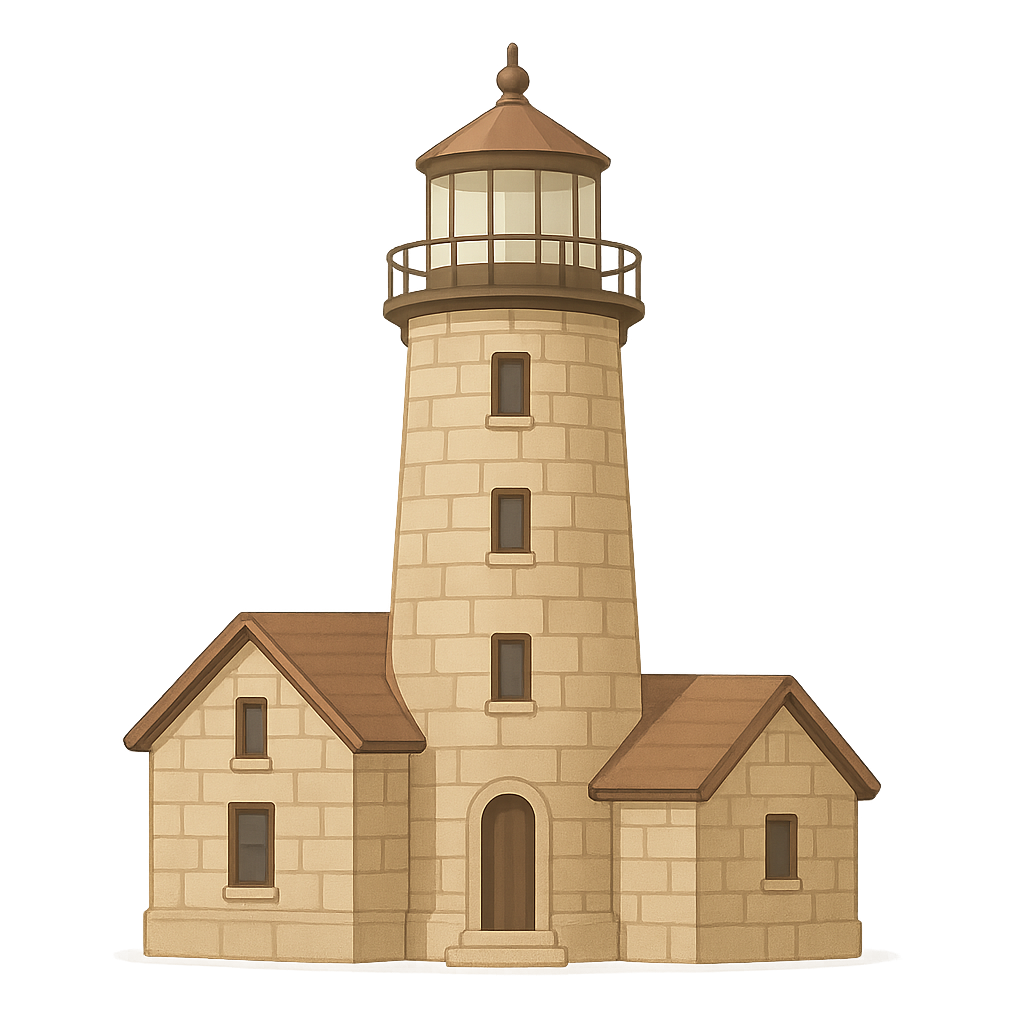
The Story of the Great Lakes
I am so big that from my shores, you cannot see the other side. I look like an ocean, with powerful waves that crash on sandy beaches and thunder against rocky cliffs. On a calm day, my surface is a perfect mirror reflecting the endless sky, but when a storm brews, my waters can turn dark and furious, tossing ships about like toys. Unlike the oceans, though, I am not salty. I am a family of five giant freshwater seas, all connected, stretching across a continent. If you could gather up all the fresh water on the surface of the entire planet, one-fifth of it would be right here, cradled in my basins. People have sailed on me for centuries, they swim in my cool summer waters, and they watch my many moods change with the seasons. My five parts each have a name given to them over the years: Superior, Michigan, Huron, Erie, and Ontario. They are like five giant siblings, each with a unique personality but bound together as one. Together, we form a single, magnificent body of water. I am the Great Lakes.
My story begins not with water, but with ice, a very long time ago. Imagine a time before people, before the forests you see today. About 14,000 years ago, a colossal sheet of ice called the Laurentide Ice Sheet covered this land. It was unimaginably vast and heavy, more than two miles thick in some places. For thousands of years, this glacier advanced and retreated with the changing climate. As it slowly scraped its way across the continent, its immense weight and power acted like a giant bulldozer, grinding down mountains and carving out the deep, enormous basins that would one day become my five lakebeds. When the climate warmed and the colossal glacier finally began to melt, its meltwater poured into these giant bowls, filling them to the brim. This is how I was born. For thousands of years, I was home to ancient forests and giant animals. Then, the first people arrived. The Anishinaabe peoples—the Ojibwe, Odawa, and Potawatomi—and the Haudenosaunee lived along my shores. They were brilliant engineers, building incredible birchbark canoes that were both swift and light. These canoes allowed them to travel across my vast waters for trade, fishing, and connecting their communities. They understood my power and my gifts, treating me with reverence and seeing me as a sacred source of life, which they sometimes called Gichigami, or 'big water.' They knew my rhythms, respected my storms, and lived in harmony with the life I provided.
About 400 years ago, new people in different kinds of boats began to appear on my horizons. In the early 1600s, a determined young French explorer named Étienne Brûlé was one of the first Europeans to see my shores. He and others who followed, known as voyageurs, paddled my waters in search of valuable animal furs, creating a bustling trade network that connected the heart of North America to the markets of Europe. As more people came, the quiet glide of the canoe was joined by the sight of large wooden sailing ships called schooners, their white sails catching the wind. Later came the powerful steamships, puffing smoke as they transported lumber from the vast forests, iron ore from the rich mines, and grain from the sprawling prairies. But my five lakes were not perfectly connected for these large vessels; a magnificent and powerful obstacle, Niagara Falls, stood between Lake Erie and Lake Ontario. So people got creative. They built a series of canals, like the Welland Canal, which first opened on November 27th, 1829. This canal was like a watery staircase, using a system of locks to lift and lower ships around the falls. They also built the Soo Locks to help ships navigate the rushing rapids between Lake Superior and Lake Huron. These incredible feats of engineering transformed me into an industrial superhighway, and massive cities like Chicago, Detroit, Cleveland, and Toronto grew up on my banks, powered by the resources and commerce I helped make possible.
All of this new activity brought immense growth, but it also brought challenges. The cities and factories that thrived along my shores sometimes released waste into my waters. This pollution made the water unhealthy for the fish, the animals, and the millions of people who depended on me for drinking water. For a time, some of my waters became sick. But people began to realize that I was not an endless resource to be taken for granted. I was a precious, living treasure that needed protecting. It was a turning point when two nations decided to work together. On April 15th, 1972, the United States and Canada signed the Great Lakes Water Quality Agreement, a historic promise to cooperate to clean me up and keep me healthy for the future. Today, I am much cleaner, and my story of renewal continues. I provide drinking water for more than 30 million people. I am a playground for sailors and kayakers, a quiet spot for fishers, and a vital home for countless birds and wildlife. I am a powerful reminder of nature’s artistry and a shared resource that connects two countries. I am still wild and mighty, and I hope to inspire wonder, respect, and care for all the generations to come.
Activities
Take a Quiz
Test what you learned with a fun quiz!
Get creative with colors!
Print a coloring book page of this topic.








 Free for Educators