

 English

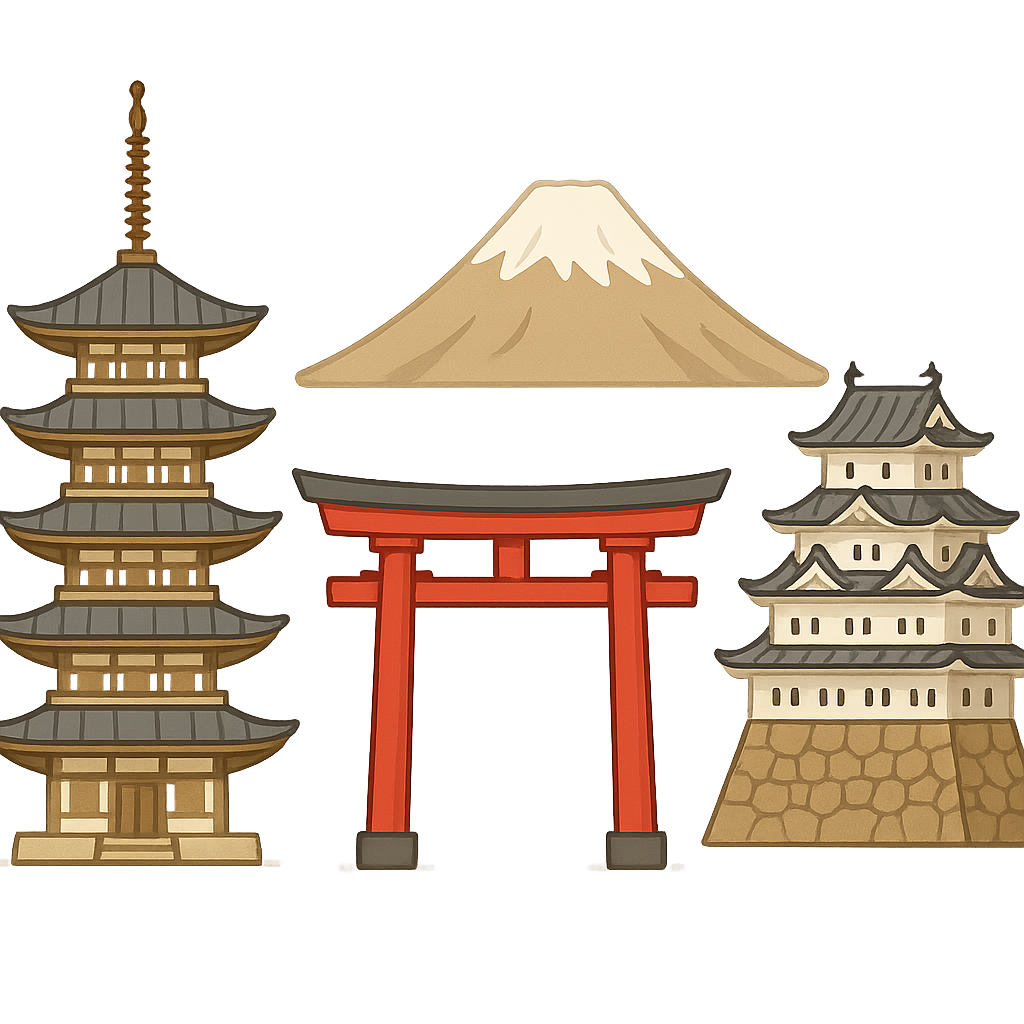
Japan's Story: A Dance of Old and New
Imagine a long, graceful ribbon of islands floating in the great Pacific Ocean. In the winter, my tall mountains wear caps of sparkling white snow, and children build snow sculptures in big festivals. When spring arrives, a soft pink blanket of cherry blossoms covers my parks and countryside, and families gather for picnics under the beautiful trees. My cities are a dazzling buzz of energy, with bright neon lights that paint the night sky and buildings that stretch high into the clouds. But just a short journey away, you can find quiet, ancient temples nestled in misty forests, where the only sounds are the gentle ringing of a bell and the chirping of birds. I am a land of exciting contrasts and quiet beauty. I am Japan.
My story began a very, very long time ago, born from fire deep within the earth and the cool waters of the sea. Mighty volcanoes pushed me up from the ocean floor, island by island. My earliest people, the Jōmon, arrived thousands of years ago. They were clever and creative, learning to make beautiful clay pots decorated with swirling patterns to cook their food and store their grains. As centuries passed, great emperors ruled, and they built magnificent capital cities. One of the most famous was Kyoto, which became my heart for over a thousand years. It was a place where art and poetry blossomed like the cherry trees in spring. Artists painted delicate scenes on silk scrolls, and poets wrote beautiful verses about nature. Then came the age of the samurai, which began around the 12th century. These brave warriors, with their gleaming armor and sharp swords, followed a strict code of honor called bushido, promising to be loyal, courageous, and kind. They built mighty castles with towering walls and clever defenses that still stand proudly today, telling stories of a time of honor and battle.
After many years of conflict, a long and peaceful time began in the year 1603. This was called the Edo period, and it lasted for over two hundred and fifty years. During this calm era, my cities grew enormous. A small fishing village named Edo swelled into one of the biggest cities in the world, which you now know as Tokyo. People had time to create and enjoy new kinds of art. Theaters were filled with audiences watching exciting kabuki plays, with actors in bold makeup and colorful costumes. People wrote short, thoughtful poems called haiku that captured a single moment in nature. Artists carved intricate designs into woodblocks to create colorful prints of famous actors, beautiful landscapes, and scenes from everyday life. For a while, I was very quiet and kept mostly to myself. But then, around the year 1854, large ships from America and Europe arrived at my shores. It was the start of new friendships and a wonderful exchange of ideas that helped me grow and change in amazing ways.
Today, my heartbeat is fast and exciting. Super-fast Shinkansen bullet trains zip across my islands, connecting cities in the blink of an eye. My people are famous for their amazing creations, from helpful robots that can assist people in their homes to the colorful worlds of anime and video games that are loved by children and adults all over the planet. Even with all this newness, I still cherish my past with all my heart. It’s not unusual to find a quiet, peaceful shrine, thousands of years old, standing calmly right next to a soaring, modern skyscraper. I am a story of old traditions and new ideas dancing together. I hope my story inspires you to create amazing new things in your own life, while always remembering to honor and learn from the beautiful things that came before.
Activities
Take a Quiz
Test what you learned with a fun quiz!
Get creative with colors!
Print a coloring book page of this topic.











 Free for Educators